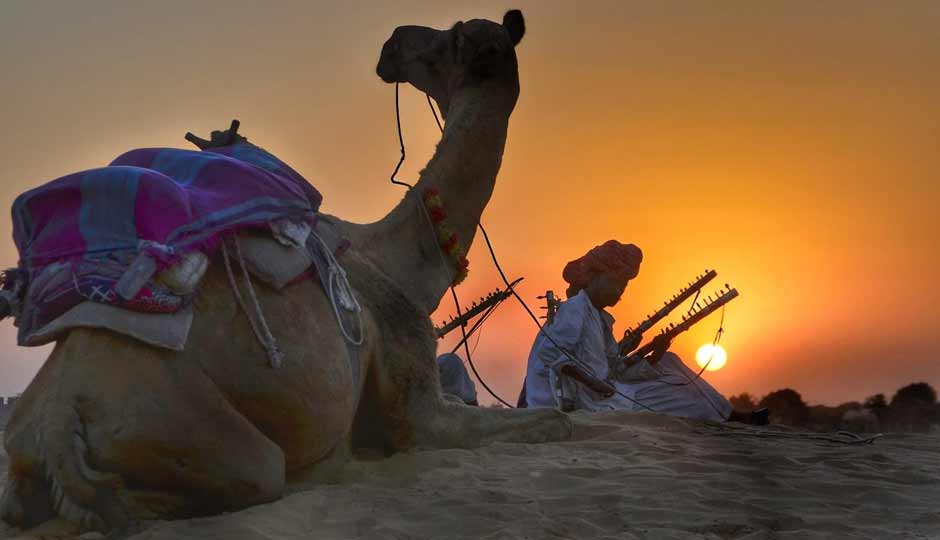
Know The Date Of Mahashivratri 2026 As Per Hindu Calendar
By: Priyanka Maheshwari Wed, 11 Feb 2026 8:02:35
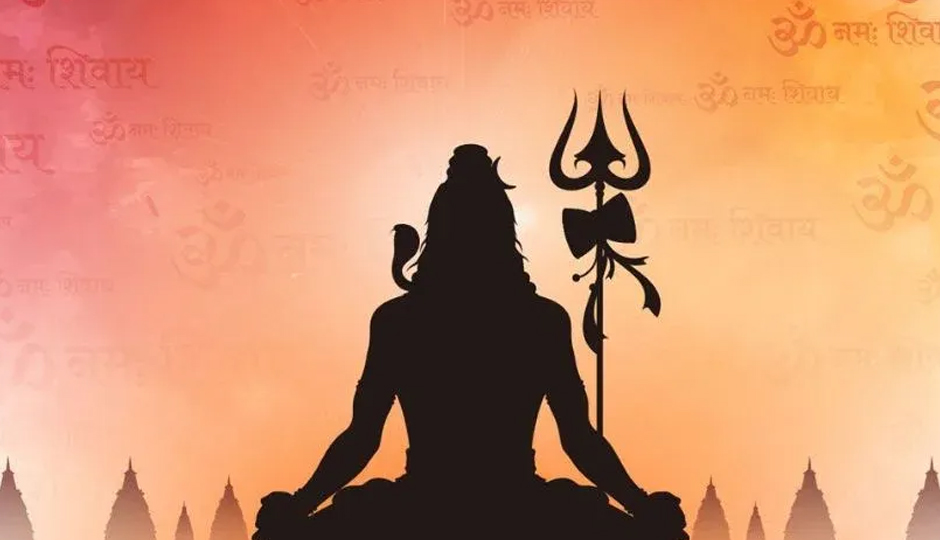
Every year as Mahashivratri draws near, you’ll notice different dates—February 15, 16, and even 17—circulating on social media, calendars, and festival guides. Naturally, this can feel confusing, especially for devotees planning their fasts, pujas, or night-long vigils.
The variation isn’t an error. It comes down to how traditional Hindu calendars (Panchangs) determine festival dates. Unlike the fixed Gregorian calendar, Hindu festivals are based on lunar tithis (phases of the moon). A tithi doesn’t follow the standard midnight-to-midnight format—it can begin in the evening of one day and continue into the next. Because of this overlap, a single festival may appear on two different calendar dates.
How Mahashivratri Is Determined
Mahashivratri is observed on the Chaturdashi Tithi of Krishna Paksha, the 14th day of the waning moon in the Hindu month of Phalguna. This night is considered highly sacred, as it is believed to mark Lord Shiva’s cosmic dance (Tandava) and also symbolizes the divine union of Shiva and Parvati.
Since tithis don’t align perfectly with sunrise-based calendar days, Mahashivratri often spans two dates. The most important rituals—especially the Nishita Kaal Puja (midnight worship)—must fall within the Chaturdashi tithi, which is why the exact timing matters more than the printed date.
What Is the Date for Mahashivratri 2026?
According to most traditional Panchangs:
Phalguna Krishna Chaturdashi begins: February 15, 2026, at around 5:04 PM
Chaturdashi ends: February 16, 2026, at around 5:34 PM
Because the sacred midnight worship occurs during the night when Chaturdashi is active, the principal Mahashivratri observance in 2026 falls on the night of February 15.
Devotees typically fast during the day, remain awake through the night, chant mantras, and perform rituals. The Nishita Kaal—the exact midnight period—is considered the most spiritually significant moment of the festival.
Why Do Some Calendars Mention February 17?
There are a few reasons you might see February 17 listed:
Regional traditions: Certain communities observe the festival based on how much of the tithi extends into the next solar day.
Timing interpretations: If the auspicious period stretches significantly past midnight, some calendars may align the festival with the following Gregorian date.
Panchang variations: Minor differences in astronomical calculations between North and South Indian traditions can sometimes create a one-day shift.
As a result, some platforms highlight February 17, particularly if they emphasize the portion of the tithi that continues into that date.
What Most Devotees Follow
Across much of India in 2026, the common practice is:
Fasting and night-long worship on February 15
Breaking the fast (Parana) on February 16
In certain regions, February 17 may be referenced for convenience, depending on local sunrise timings and tithi calculations. Major temples, including renowned Jyotirlingas like Mahakaleshwar, schedule their rituals based on the precise lunar timing, often beginning celebrations in the evening and continuing through the night.
A Quick Tip for Devotees
If you’re planning to observe Mahashivratri:
Check your local Panchang or temple schedule for accurate timings.
Focus on the Nishita Kaal (midnight period), as this is the core of the celebration.
Different calendars may display different dates, but they all refer to the same underlying lunar phase.
Bottom Line
So, is Mahashivratri 2026 on February 17? The answer depends on the calendar or regional tradition you’re following.
However, astrologically and traditionally, the sacred Phalguna Krishna Chaturdashi begins on the evening of February 15 and continues into February 16. That night—February 15—is when most devotees will observe the fast, perform the midnight puja, and celebrate Mahashivratri.
Ultimately, the essence of the festival lies not in the printed Gregorian date, but in the sacred lunar timing and the devotion offered during the night of Chaturdashi.