Navratri Vs Durga Puja: Why Are They Celebrated Differently Across India?
By: Priyanka Maheshwari Tue, 06 Oct 2026 11:10:41
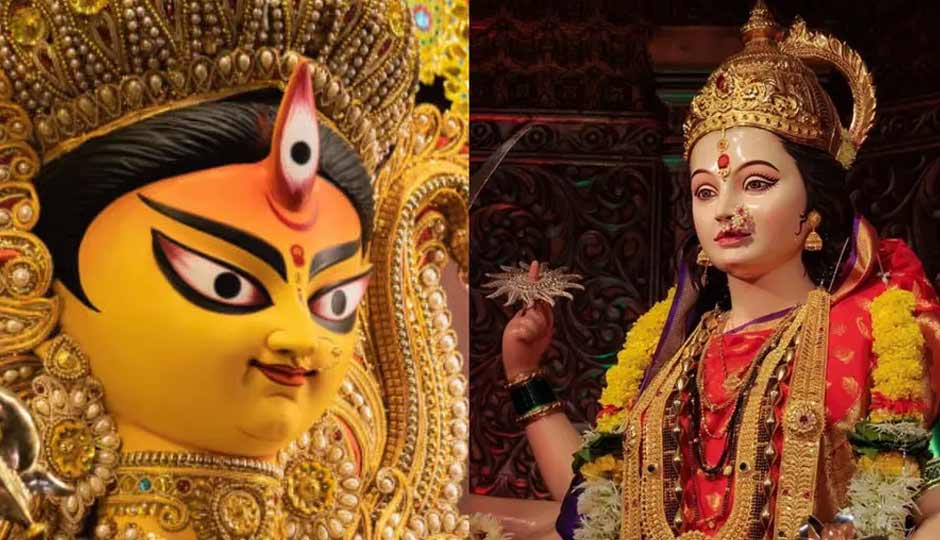
A lively Garba night in Ahmedabad and an evening spent exploring the beautifully decorated Durga Puja pandals of Kolkata may seem like celebrations of two entirely different festivals. In many ways, they are. Although both traditions honour Goddess Durga, each region follows its own customs, rituals and cultural traditions.
In 2026, Navratri begins on Sunday, October 11, with Ghatasthapana, while Durga Puja formally begins with Maha Shashthi on October 17. Both festivals celebrate the triumph of good over evil, but their forms of worship and festive traditions differ significantly.
Same Goddess, Same Victory, Different Traditions
At the heart of both festivals is Goddess Durga's victory over the buffalo demon Mahishasura. However, the manner in which this victory is commemorated varies across India.
Navratri is a nine-night and ten-day celebration during which devotees worship the nine manifestations of Goddess Durga, collectively known as Navadurga. Durga Puja, on the other hand, follows a specific ritual sequence beginning with Shashthi and concluding with Dashami. It is particularly celebrated with grandeur in West Bengal, Assam and Tripura.
Although the two festivals occur around the same period and share a common connection to Goddess Durga, they are not the same observance. Navratri is generally associated with nine nights of prayer, fasting and devotion, particularly across northern and western India, while Durga Puja is known for its elaborate rituals, artistic idols, community gatherings and cultural celebrations in eastern India.
Fasting in the North, Feasting in the East
One of the most noticeable differences between the two celebrations can be seen in their food traditions.
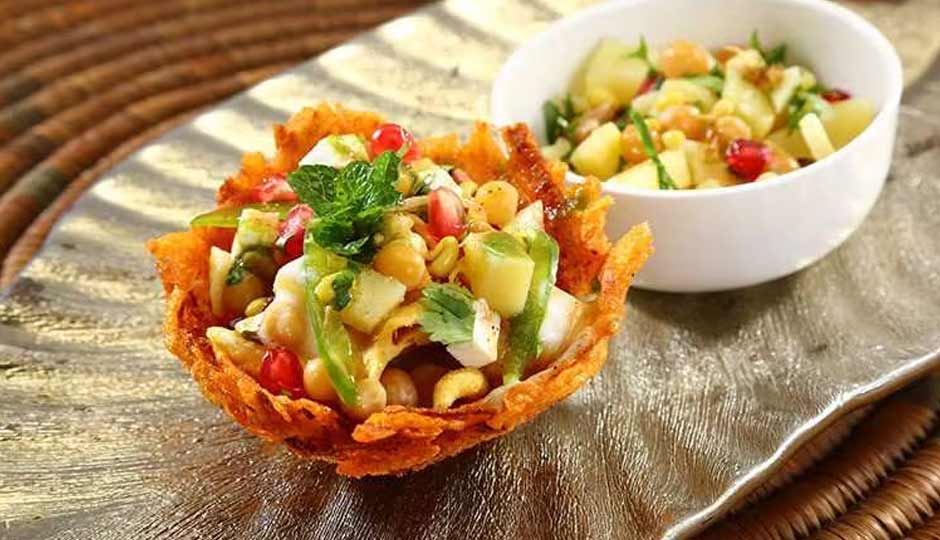
During Navratri, many devotees observe a fast and avoid grains, meat and certain other foods. Instead, they commonly consume fruits, nuts, dairy products and foods prepared with fasting-friendly ingredients. The emphasis is generally on simple, sattvic meals and spiritual discipline.
Durga Puja, meanwhile, is strongly associated with community celebrations and elaborate festive meals. In Bengali households, traditional menus may include a variety of vegetarian as well as non-vegetarian dishes.
However, fasting practices vary from person to person and region to region. Anyone observing a fast should choose foods according to their individual health needs. People with existing medical conditions should consult a healthcare professional before undertaking prolonged or restrictive fasting.
How Different Regions Celebrate Navratri
Navratri takes on a unique character in different parts of India, reflecting the diverse cultural traditions associated with Goddess Durga and Shakti worship.
Gujarat and Maharashtra: Evenings come alive with Garba and Dandiya Raas after aarti. In Gujarat especially, Garba nights are a major cultural highlight of Navratri.
South India: Families in Tamil Nadu, Karnataka and Andhra Pradesh observe the tradition of Golu or Bommai Golu, displaying decorated dolls and figurines depicting deities, mythology and everyday life.
Telangana: Bathukamma, a vibrant floral festival, is celebrated during the Navratri season, with women creating beautiful arrangements of seasonal flowers.
Kerala: Navratri has a strong association with learning and education. The final days are traditionally connected with Saraswati worship and Vidyarambham.
Himachal Pradesh: Kullu Dussehra begins on Vijayadashami, when Navratri celebrations in many other parts of India are drawing to a close.
North India: Navratri culminates in Dussehra celebrations, including Ramlila performances and the symbolic burning of effigies of Ravana, Kumbhakarna and Meghnad.
Understanding the Durga Puja Calendar
Durga Puja follows a distinctive sequence of rituals that gradually builds towards the final immersion of the goddess.
The celebrations begin with Mahalaya, which falls on October 10 in 2026. The day is associated with the traditional early-morning recitation of Chandi Path and marks the symbolic beginning of the Durga Puja season.
Maha Shashthi marks the formal beginning of Durga Puja. Rituals such as Bodhon and Amantran are performed to welcome the goddess.
Saptami includes the Kola Bou ritual, in which a banana plant is traditionally dressed and worshipped as part of the ceremony.
Ashtami is considered one of the most important days of the festival. Kumari Puja and Sandhi Puja are among the significant rituals associated with this period, with Sandhi Puja taking place at the transition between Ashtami and Navami.
Dashami brings the celebrations to an emotional conclusion. Sindoor Khela is observed in many communities, followed by Durga Visarjan, symbolising the goddess's return to her divine abode.
In essence, Durga Puja is deeply rooted in community participation, artistic expression and the emotional imagery of Goddess Durga returning to her devotees, while Navratri places greater emphasis in many regions on personal devotion, fasting, prayer and the worship of her different forms.
Navratri and Durga Puja Dates in 2026
The major dates to remember in 2026 are:
Navratri: October 11 to October 19
Vijayadashami/Dussehra: October 20
Durga Puja Maha Shashthi: October 17
Maha Saptami: October 18
Maha Ashtami: October 19
Maha Navami: October 20
Vijayadashami: October 20
Festival dates and tithis can vary slightly according to regional Panchangs and local traditions. In some northern calendars, Durga Ashtami may be observed on October 18 and Maha Navami on October 19. Therefore, devotees should check their local Panchang when planning specific pujas and rituals.
Ultimately, Navratri and Durga Puja may look different across India, but both express devotion to the Divine Feminine and celebrate the victory of good over evil. From the energetic Garba circles of Gujarat to the magnificent pandals of Kolkata, each tradition reflects India's rich cultural diversity while keeping Goddess Durga at its spiritual centre.