Why Ramanuja Jayanti Continues To Hold Meaning
By: Priyanka Maheshwari Wed, 22 Apr 2026 10:16:49
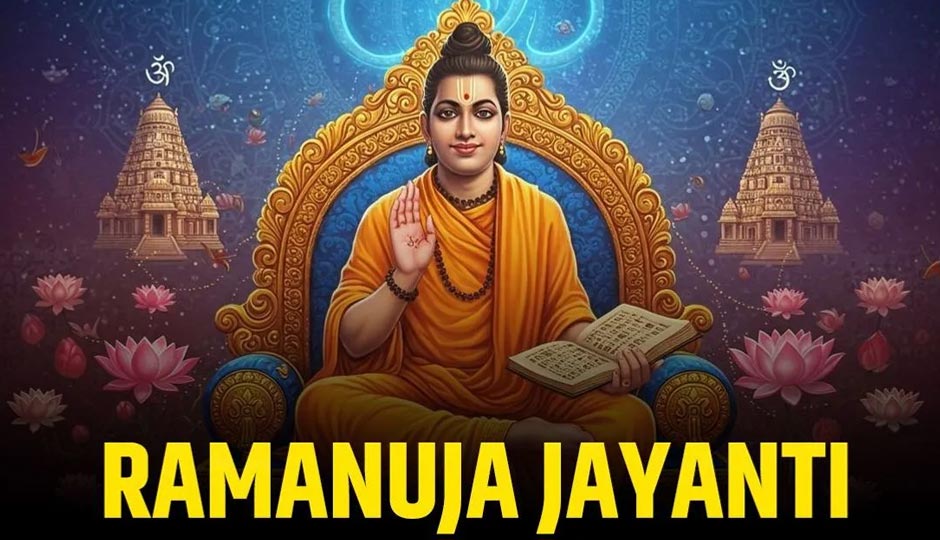
Centuries ago, someone chose to challenge rigid norms—questioning boundaries of who belonged and who didn’t—and insisted that devotion should be open to all. That spirit is exactly why Ramanuja Jayanti continues to resonate even in 2026.
Observed as the birth anniversary of Ramanujacharya, the day isn’t just about remembering a historical figure. It’s about revisiting ideas that still feel relevant today—access, equality, and a more personal connection with faith.
Ramanuja Jayanti 2026: Date And Timings
Ramanuja Jayanti will be observed on Wednesday, 22 April 2026.
Occasion: Birth anniversary of Ramanujacharya
Birth star (Nakshatra): Thiruvathirai (Ardra)
Nakshatra begins: 11:58 PM (21 April 2026)
Nakshatra ends: 10:13 PM (22 April 2026)
The year 2026 marks his 1009th birth anniversary, making the occasion especially significant for followers.
Who Was Ramanujacharya
Born in Sriperumbudur around 1017 CE, Ramanujacharya lived during the 11th–12th century and became one of the most influential thinkers in Hindu philosophy.
He was the leading proponent of Vishishtadvaita Vedanta and a central figure in the Sri Vaishnavism tradition.
What truly set him apart wasn’t just his philosophy—it was how he applied it:
He blended deep intellectual thought with bhakti (devotion)
He challenged rigid caste barriers in spiritual spaces
He made devotion accessible to those who had long been excluded
At a time when hierarchy dictated access to religion, his ideas felt bold and transformative.
Ramanujacharya’s Philosophy
Ramanuja’s Vishishtadvaita may sound complex, but its core is deeply relatable:
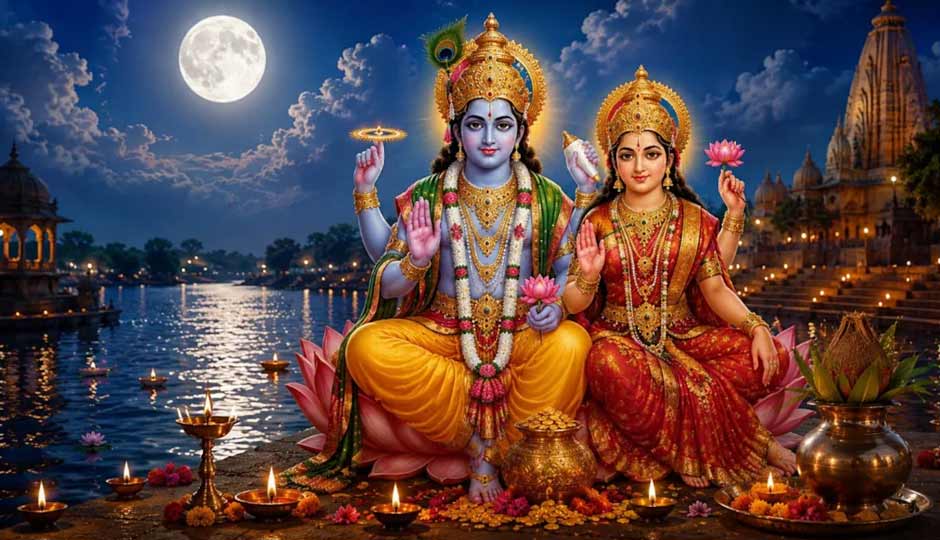
God, identified as Vishnu, is supreme and personal
The soul and the universe are real—not illusions
Everything is connected to God, yet not identical to Him
According to him, liberation comes through:
Devotion (bhakti)
Complete surrender (prapatti)
His philosophy emphasizes that you don’t need to lose your individuality to connect with the divine—your identity still holds value.
Why Ramanuja Jayanti Is Celebrated
This day goes beyond marking a birth; it reflects a shift in how spirituality was understood.
Equality In Devotion
Ramanuja believed spiritual knowledge should be open to all. He worked to make temple practices and teachings accessible, regardless of social background.
Stronger Focus On Bhakti
The occasion reinforces devotion to Vishnu as a personal and approachable deity rather than a distant concept.
Faith Meets Everyday Values
His teachings connect:
devotion
discipline
compassion
service
It’s not just about belief—it’s about how that belief shapes everyday life.
Deep Roots In Sri Vaishnavism
For followers of Sri Vaishnavism, this is one of the most important observances of the year.
How Ramanuja Jayanti Is Observed
Across states like Tamil Nadu, Karnataka, and Andhra Pradesh, celebrations are both spiritual and community-focused.
In temples, you’ll find:
Special prayers dedicated to Vishnu and Ramanuja
Abhishekam rituals
Recitation of Vedic texts
Discourses on his teachings
Temple processions
Beyond temples, the focus shifts to community engagement:
Annadanam (free food distribution)
Charity and seva activities
Reading and discussing his works
There’s a sense of participation—people don’t just observe, they actively engage.
Places Where Celebrations Feel Most Alive
Some places hold special significance and attract large gatherings:
Sriperumbudur – his birthplace
Srirangam Temple – a major Vaishnavite center
Melkote – closely associated with his work
These locations host elaborate rituals, processions, and spiritual gatherings.
Ramanujacharya’s Contributions That Still Influence Thought
Ramanuja didn’t just teach—he wrote extensively, shaping Hindu philosophy for generations. His key works include:
Sri Bhashya (on Brahma Sutras)
Vedarthasangraha
Bhagavad Gita Bhashya
Gadyatrayam
These texts continue to be studied and interpreted even today.
What Ramanuja Jayanti Stands For
Beyond the rituals, the message is simple yet powerful. Ramanuja Jayanti represents:
Making spirituality accessible
Removing barriers around devotion
Balancing knowledge, emotion, and action
It highlights an enduring idea—faith is not meant to exclude, but to connect.
Ramanujacharya lived nearly a thousand years ago, yet the questions he raised still feel relevant: Who has access to faith? What does devotion look like in everyday life? How can belief and equality coexist?
Ramanuja Jayanti 2026 doesn’t just answer these questions—it encourages reflection. And in that reflection, it opens the door to a more inclusive, personal, and human understanding of spirituality.