10 Effective Home Remedies To Treat Dry Skin In Winters
By: Priyanka Maheshwari Tue, 20 Oct 2026 11:54:33

Dry skin is a common problem during winter when cold weather, low humidity, and indoor heating reduce the skin’s natural moisture. The skin may become rough, flaky, itchy, tight, or dull. In some cases, excessive dryness can also lead to redness, irritation, and small cracks, particularly on the hands, feet, elbows, knees, and face.
During winter, frequent hot showers, harsh soaps, and insufficient moisturising can further weaken the skin’s natural protective barrier. Fortunately, a few simple home remedies and healthy skincare habits can help restore moisture, improve skin texture, and keep the skin soft and comfortable.
Natural ingredients such as coconut oil, aloe vera, honey, and oatmeal may help soothe dry skin when used appropriately. However, not every natural ingredient suits every skin type, so it is important to choose gentle remedies and avoid anything that causes irritation.
Here are 10 effective home remedies to help manage dry skin during winter.
1. Apply Coconut Oil to Lock in Moisture
Coconut oil is a popular home remedy for dry skin because it contains fatty acids that help soften the skin and reduce moisture loss. It can be particularly useful for rough areas such as the elbows, knees, heels, and hands.
How to use coconut oil
- Take a small amount of plain coconut oil.
- Gently apply it to slightly damp skin after bathing.
- Massage lightly until it forms a thin layer.
- Repeat once daily or whenever your skin feels dry.
Benefits
Coconut oil helps soften rough patches and supports the skin's moisture barrier. It may also reduce the feeling of tightness associated with winter dryness.
Tip: Coconut oil may clog pores in some people, particularly those prone to acne. Avoid applying it to acne-prone facial areas if it causes breakouts. Choose fragrance-free products for sensitive skin.
2. Use Aloe Vera Gel to Soothe Dry Skin
Aloe vera gel is known for its soothing and hydrating properties. It can help calm skin that feels uncomfortable after exposure to cold winds or dry indoor air.
How to use aloe vera gel
- Take a small amount of pure, fragrance-free aloe vera gel.
- Apply a thin layer to clean skin.
- Allow it to absorb.
- Follow with a moisturiser to help seal in hydration.
You can use it once daily, provided your skin tolerates it.
Benefits
Aloe vera may help soothe mild irritation and provide a refreshing, lightweight layer of hydration. However, aloe vera alone may not be sufficient for very dry skin because it does not provide the same protective barrier as a rich cream or ointment.
Tip: Perform a patch test before using aloe vera, especially if you have sensitive skin. Avoid products containing alcohol or added fragrance if they cause stinging.
3. Apply Honey for Softer Skin
Honey is a natural humectant, which means it can attract and retain moisture. It is sometimes used in skincare preparations to help the skin feel softer and smoother.
How to use honey
- Take a small amount of plain honey.
- Apply a thin layer to a small area of clean skin.
- Leave it on for approximately 5–10 minutes.
- Rinse gently with lukewarm water.
- Apply a moisturiser immediately afterwards.
Use this remedy occasionally rather than relying on it as your main skincare treatment.
Benefits
Honey may help the skin feel hydrated and supple. Its texture also makes it suitable for a short, gentle moisturising treatment.
Tip: Honey is not a substitute for a well-formulated moisturiser. Avoid using it if you have a known allergy to honey or bee products, and do not apply it to broken or infected skin.
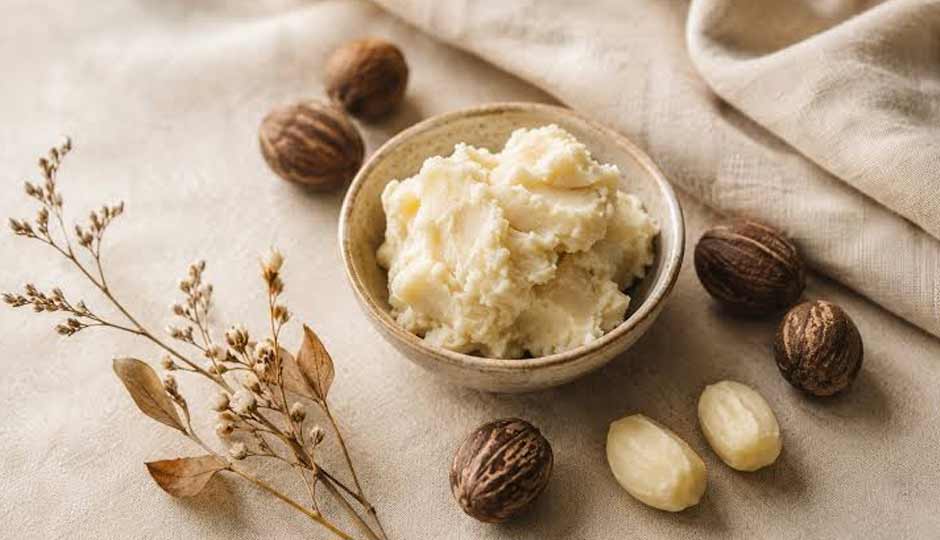
4. Moisturise with Shea Butter
Shea butter is a rich emollient commonly found in creams and body butters designed for dry skin. It helps soften rough skin and reduce moisture loss, making it useful during cold weather.
How to use shea butter
- Choose plain shea butter or a fragrance-free moisturiser containing shea butter.
- Apply a small amount to clean, slightly damp skin.
- Concentrate on dry areas such as the hands, elbows, knees, and feet.
- Reapply whenever the skin feels tight or rough.
Benefits
Shea butter helps improve skin softness and smoothness by filling the spaces between dry skin cells. Its rich texture makes it particularly suitable for areas that become rough during winter.
Tip: If you have acne-prone skin, test the product on a small area first. Stop using it if you notice clogged pores, redness, or irritation.
5. Take an Oatmeal Bath to Relieve Itching
Colloidal oatmeal, which is finely ground oatmeal formulated for use in skincare, can help soothe dry, itchy skin. It is especially useful when winter dryness causes mild irritation.
How to use oatmeal
- Add a suitable colloidal oatmeal product to a lukewarm bath according to its instructions.
- Soak for around 10–15 minutes.
- Avoid scrubbing the skin.
- Pat dry gently with a soft towel.
- Apply a thick, fragrance-free moisturiser while the skin is still slightly damp.
Benefits
Colloidal oatmeal can help soothe itching, support the skin barrier, and improve skin comfort. It may be helpful for people who experience dryness associated with eczema, although persistent eczema may require medical treatment.
Tip: Avoid hot water, which can worsen dryness. Be careful when getting out of an oatmeal bath because the surface may become slippery.
6. Use Petroleum Jelly on Extremely Dry Areas
Petroleum jelly is one of the most effective and affordable options for reducing moisture loss from dry skin. It forms a protective layer over the skin and is especially useful for cracked heels, chapped hands, and dry elbows.
How to use petroleum jelly
- Wash the affected area gently.
- Pat the skin until it is slightly damp.
- Apply a thin layer of petroleum jelly.
- For very dry hands or feet, apply it before bedtime.
- Wear clean cotton gloves or socks to help protect the area overnight.
Benefits
Petroleum jelly acts as an occlusive moisturiser, helping prevent water from escaping through the skin. It is particularly useful when ordinary lotions do not provide enough protection.
Tip: Choose plain petroleum jelly without added fragrance. For facial use, apply a thin layer to dry areas and avoid it if it worsens acne or causes discomfort.
7. Apply a Thick, Fragrance-Free Moisturiser
Although natural ingredients are popular, a good moisturiser is often the most reliable home treatment for winter dryness. Creams and ointments generally provide more lasting hydration than lightweight lotions.
How to use a moisturiser
- Take a short shower using lukewarm water.
- Use a gentle, fragrance-free cleanser.
- Pat your skin dry without rubbing.
- Apply moisturiser within a few minutes of bathing.
- Reapply after handwashing and whenever dry areas need extra care.
Look for moisturisers containing ingredients such as:
- Ceramides: Help support the skin's protective barrier.
- Glycerin: Attracts water to the skin.
- Hyaluronic acid: Helps retain moisture.
- Petrolatum: Reduces water loss.
- Urea: Helps soften rough, thickened skin; lower concentrations may be useful for dryness.
Benefits
Regular moisturising helps reduce flaking, roughness, tightness, and moisture loss. Consistent application is usually more effective than using a home remedy only occasionally.
Tip: If your skin is sensitive, choose products labelled fragrance-free rather than merely unscented.
8. Use a Gentle Milk-Based Cleanser Alternative Carefully
Milk contains fats and proteins, and some traditional skincare routines use it to soften the skin. However, there is limited evidence that applying ordinary milk provides meaningful treatment for winter dryness.
A safer approach is to use a gentle, non-soap cleanser designed for dry skin.
How to care for dry skin while cleansing
- Choose a mild, fragrance-free cleansing product.
- Wash your face with lukewarm water.
- Avoid harsh scrubs and strong exfoliating cleansers.
- Pat your face dry gently.
- Apply moisturiser immediately afterwards.
Benefits
Gentle cleansing helps remove dirt without unnecessarily stripping the skin's natural oils. This is particularly important during winter, when the skin barrier may already be vulnerable.
Tip: Avoid using lemon juice, baking soda, or rough homemade scrubs on dry skin. These can cause irritation and make dryness worse.
9. Use a Humidifier to Add Moisture to Indoor Air
Cold winter air often contains little moisture, and indoor heating can make the environment even drier. A humidifier may help reduce the effects of low humidity on the skin.
How to use a humidifier
- Place a humidifier in the room where you spend the most time or sleep.
- Aim for indoor humidity of approximately 30–50%.
- Clean the device regularly according to the manufacturer's instructions.
- Change the water as directed to prevent microbial growth.
Benefits
Adding moisture to indoor air may help reduce the environmental factors that contribute to dry skin, particularly overnight.
Tip: Avoid excessive humidity, as it can encourage mould growth and dust mites. A humidifier works best alongside regular moisturising rather than as a replacement for skincare.
10. Drink Enough Water and Eat a Balanced Diet
Healthy skin depends on more than topical treatments. Adequate hydration and a balanced diet support normal skin function, although drinking extra water alone will not necessarily cure dry skin if you are already adequately hydrated.
Foods to include in your diet
- Nuts and seeds: Almonds, walnuts, chia seeds, and flaxseeds provide healthy fats and other nutrients.
- Fatty fish: Salmon and sardines provide omega-3 fatty acids.
- Fruits: Oranges, guavas, amla, and papaya provide vitamins and other beneficial nutrients.
- Vegetables: Carrots, spinach, sweet potatoes, and other vegetables supply vitamins and antioxidants.
- Whole grains and pulses: Help provide a range of nutrients needed for overall health.
Additional tips
- Drink water regularly throughout the day.
- Include healthy fats in balanced meals.
- Eat a varied diet instead of relying on one so-called skin-friendly food.
- Avoid excessive alcohol consumption, which may contribute to dehydration.