10 Home Remedies To Treat Scalp During Monsoon
By: Priyanka Maheshwari Tue, 04 Aug 2026 11:02:58
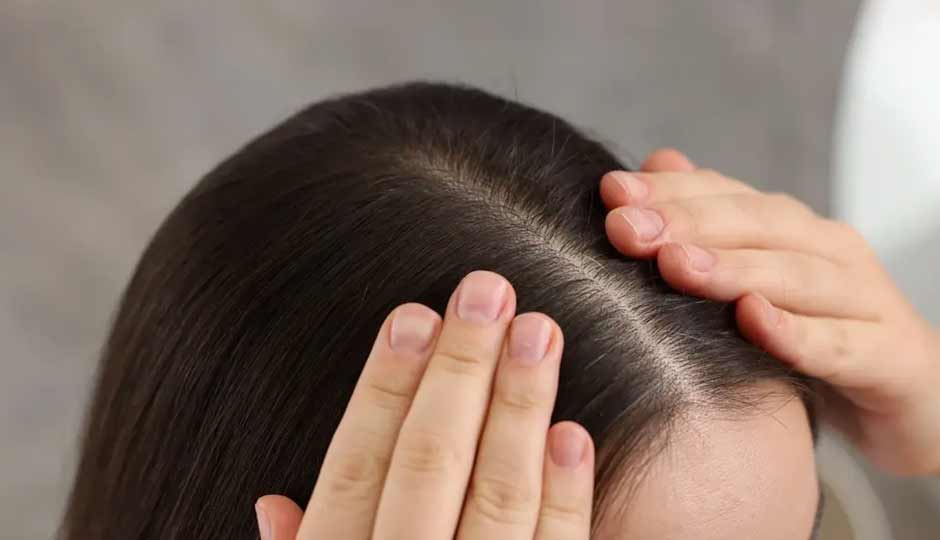
The monsoon season brings refreshing showers and relief from the scorching summer heat, but it can also create several challenges for scalp health. The increased humidity, frequent sweating, and exposure to rainwater often make the scalp more prone to problems like dandruff, itching, excess oiliness, fungal infections, and hair fall. A damp scalp can encourage the growth of microbes, leading to discomfort and affecting overall hair health.
Taking proper care of your scalp during monsoon is essential to maintain clean, balanced, and healthy hair. While many chemical products are available in the market, natural home remedies can provide gentle care by soothing irritation, controlling excess oil, and keeping the scalp refreshed. Simple ingredients like neem, aloe vera, curd, coconut oil, and fenugreek can be included in your hair care routine to protect your scalp from seasonal damage.
With the right hygiene habits, a nourishing diet, and regular scalp care, you can reduce monsoon-related scalp issues and keep your hair looking healthy, strong, and vibrant throughout the rainy season.
# Neem Leaves for Itchy and Irritated Scalp
Neem has natural antibacterial and antifungal properties that may help manage scalp infections and itching caused by humidity.
How to use:
Boil a handful of neem leaves in 2 cups of water for 10–15 minutes.
Allow it to cool and strain the water.
Use it as a final hair rinse after shampooing.
Repeat once or twice a week.
Benefits:
Helps reduce scalp irritation
Supports dandruff control
Keeps the scalp fresh
# Aloe Vera Gel for Dry and Itchy Scalp
Aloe vera is known for its soothing and hydrating properties. It can calm an irritated scalp while maintaining moisture balance.
How to use:
Take fresh aloe vera gel.
Apply it directly to the scalp.
Leave it for 30 minutes.
Wash with a mild shampoo.
Benefits:
Reduces dryness and itching
Soothes scalp inflammation
Provides hydration without making hair greasy
# Tea Tree Oil for Dandruff Control
Tea tree oil has cleansing properties that may help maintain scalp freshness. Always dilute essential oils before applying them.
How to use:
Mix 2–3 drops of tea tree oil with 1 tablespoon of coconut oil or almond oil.
Apply gently to the scalp.
Leave for 30–45 minutes before washing.
Benefits:
Helps manage flaky scalp
Reduces scalp buildup
Keeps the scalp feeling refreshed
# Curd Hair Mask for Scalp Nourishment
Curd contains lactic acid and beneficial nutrients that can help remove buildup and nourish the scalp.
How to use:
Mix 3–4 tablespoons of curd with 1 tablespoon of aloe vera gel.
Apply to the scalp and hair.
Leave for 30 minutes.
Rinse thoroughly.
Benefits:
Helps reduce dryness
Makes hair softer
Improves scalp comfort
# Apple Cider Vinegar Rinse for Scalp Buildup
Apple cider vinegar may help balance scalp pH and remove product buildup.
How to use:
Mix 1 tablespoon apple cider vinegar with 1 cup water.
Apply after shampooing.
Leave for a few minutes and rinse.
Benefits:
Helps remove excess oil
Refreshes the scalp
Reduces buildup
(Avoid using it on irritated or damaged skin as it may cause burning.)
# Coconut Oil Massage (Use Carefully During Monsoon)
Coconut oil can nourish dry scalp, but applying too much oil in humid weather may increase greasiness or worsen dandruff for some people.
How to use:
Warm a small amount of coconut oil.
Massage gently for 5–10 minutes.
Wash after 1–2 hours.
Benefits:
Prevents dryness
Improves scalp nourishment
Reduces hair roughness
# Fenugreek (Methi) Seed Mask for Dandruff
Fenugreek seeds contain compounds that may help soothe the scalp and reduce flakiness.
How to use:
Soak 2 tablespoons fenugreek seeds overnight.
Grind into a paste.
Apply to the scalp for 30 minutes.
Wash with a mild shampoo.
Benefits:
Helps control scalp dryness
Supports healthy hair texture
Reduces scalp discomfort
# Keep Your Scalp Dry After Rain Exposure
One of the most important monsoon scalp care steps is avoiding prolonged moisture.
Tips:
Dry your hair immediately after getting wet in rain.
Avoid tying wet hair tightly.
Change damp towels quickly.
Allow your scalp to dry naturally before sleeping.
# Use a Mild Shampoo and Avoid Overwashing
Frequent washing with harsh shampoos can disturb the scalp’s natural balance.
Monsoon hair care tips:
Wash your scalp whenever it feels sweaty or dirty.
Choose a gentle shampoo.
Avoid heavy styling products.
Clean your comb regularly.
# Healthy Diet for a Healthy Scalp
Scalp health also depends on nutrition. During monsoon, include:
Protein-rich foods like pulses, eggs, paneer, and nuts
Seasonal fruits
Green vegetables
Adequate water intake
Seeds like flaxseed and pumpkin seeds