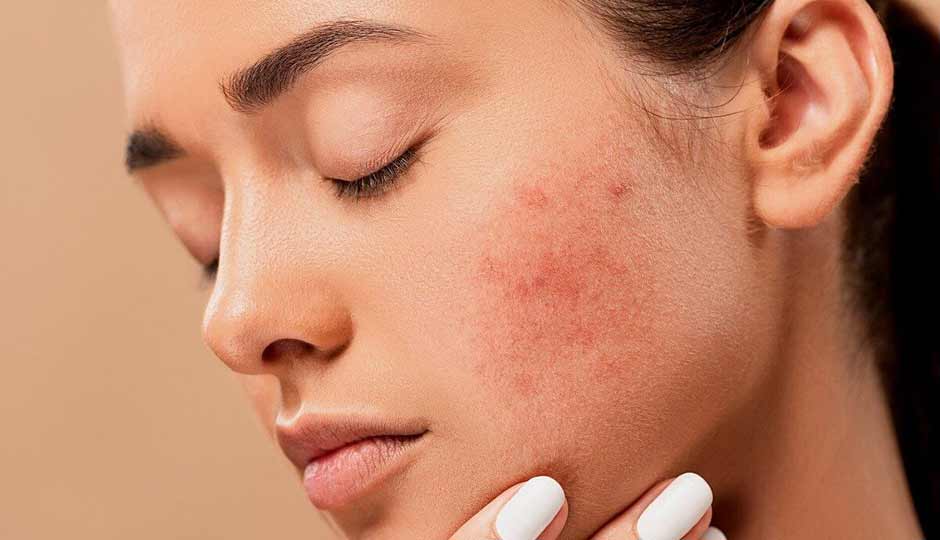
15 Detailed Benefits Of Benzoyl Peroxide For Skin
By: Priyanka Maheshwari Wed, 14 Oct 2026 10:37:01
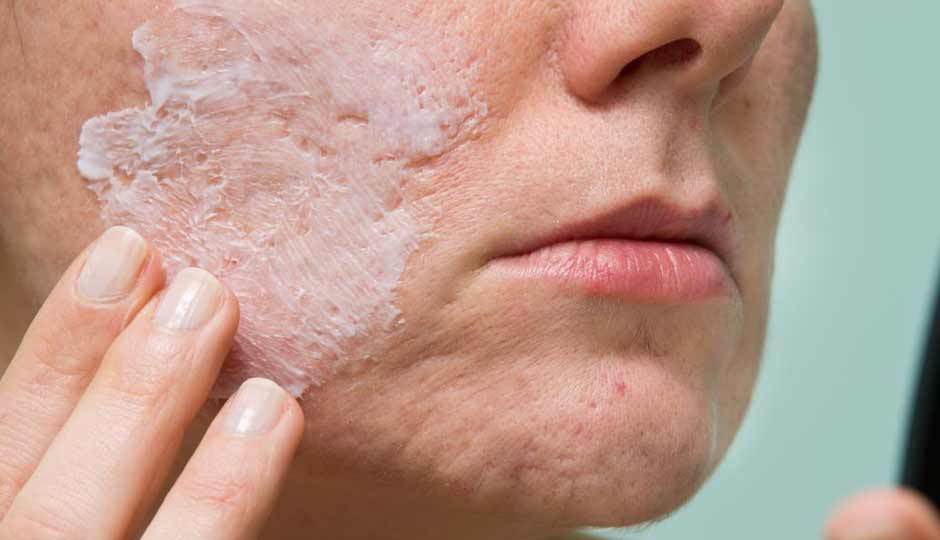
Benzoyl peroxide is a popular skincare ingredient widely used to treat acne, pimples, and acne-causing bacteria. It is commonly found in over-the-counter acne cleansers, gels, creams, and face washes in different concentrations. Dermatologists often recommend benzoyl peroxide for people who experience inflammatory acne, including red pimples, pustules, and breakouts caused by clogged pores.
One of the primary benefits of benzoyl peroxide for skin is its ability to reduce acne-causing bacteria while helping clear existing breakouts. Unlike some other acne treatments, it works through an oxidising action that helps kill Cutibacterium acnes, the bacteria associated with acne. It can also help reduce inflammation and prevent new pimples from developing.
When used correctly, benzoyl peroxide can become a useful part of an acne-care routine. However, it may cause dryness, redness, peeling, or irritation, particularly when you first start using it. Choosing the right concentration and applying it appropriately can help minimise these effects.
Here are 15 detailed benefits of benzoyl peroxide for skin, along with tips for using it safely and effectively.
1. Helps Treat Acne and Pimples
One of the most well-known benefits of benzoyl peroxide is its effectiveness in treating acne. Acne develops when hair follicles become clogged with oil and dead skin cells, creating an environment in which acne-associated bacteria can multiply.
Benzoyl peroxide helps address this problem by releasing oxygen-based reactive compounds that kill acne-associated bacteria. This action can reduce inflammatory breakouts and help the skin look clearer over time.
Regular use, when appropriate for your skin, may help manage mild to moderate acne, including red pimples and pus-filled spots. It is available in cleansers, gels, and creams designed for acne-prone skin.
How to use it: Start with a low-strength product, such as 2.5% benzoyl peroxide, and follow the product instructions. Higher concentrations are not necessarily more effective and may cause greater irritation.
2. Reduces Acne-Causing Bacteria
Benzoyl peroxide is particularly useful because it targets Cutibacterium acnes, a bacterium associated with acne development. The ingredient damages bacterial components through oxidation, helping reduce the bacterial population on acne-prone skin.
This makes it an important option for people who frequently experience inflamed pimples, particularly when breakouts occur alongside excess oil and clogged pores.
Another advantage is that benzoyl peroxide is not an antibiotic. It can therefore be useful in acne treatment plans designed to reduce reliance on topical or oral antibiotics and limit antibiotic resistance.
How to use it: Apply a benzoyl peroxide product according to its label. If you are using a topical antibiotic for acne, consult a dermatologist about combining the treatments.
3. Helps Reduce Redness and Inflammation
Inflammation is responsible for many of the visible signs of acne, including redness, swelling, tenderness, and raised pimples.
Benzoyl peroxide helps reduce acne-associated inflammation by controlling the bacteria that contribute to inflammatory breakouts. As new pimples become less frequent, the skin may gradually appear calmer and more even.
It is particularly helpful for inflammatory acne, such as red papules and pustules. However, it is not a direct treatment for every cause of facial redness, including rosacea or eczema.
How to use it: Introduce the product gradually. If your skin becomes intensely red, painful, or swollen, discontinue use and seek medical advice.
4. Helps Prevent New Breakouts
Benzoyl peroxide is not only used to treat existing pimples; it can also help reduce the formation of new inflammatory acne lesions.
By lowering acne-associated bacterial levels, it makes the skin less favourable for the development of certain types of acne. Continued use may help people who experience recurring breakouts on the forehead, cheeks, chin, or jawline.
However, benzoyl peroxide does not address every factor that contributes to acne. Hormonal changes, excess sebum, pore blockage, and certain medications can also play a role.
How to use it: If the product suits your skin, consistent use according to the label may help maintain acne control. Once acne improves, ask a dermatologist whether you should continue it or switch to a maintenance treatment.
5. Helps Reduce Pus-Filled Pimples
Pustules are inflamed acne lesions that contain pus and often appear as red bumps with white or yellow centres. They may develop when pores become clogged and inflammation increases.
Benzoyl peroxide can help reduce these lesions by targeting acne-associated bacteria and limiting inflammatory breakouts. It may be particularly useful for people who frequently develop small, pus-filled pimples.
However, it does not instantly remove pus or make a pimple disappear overnight. Improvement generally takes time, and repeatedly squeezing pustules can increase the risk of scarring and post-acne marks.
How to use it: Apply the product as directed and avoid picking, squeezing, or scrubbing affected areas.
6. May Help Improve Oily, Acne-Prone Skin
People with oily skin often experience acne because excess sebum can combine with dead skin cells and contribute to clogged pores.
Benzoyl peroxide can help manage acne in oily skin by reducing acne-associated bacteria and inflammatory lesions. However, it does not directly reduce the skin's oil production in the way certain other acne treatments may.
It is also important to remember that oily skin can become dehydrated or irritated when exposed to harsh cleansers and strong acne products.
How to use it: Consider a benzoyl peroxide wash if you have oily, acne-prone skin, and follow it with a lightweight, non-comedogenic moisturiser.
7. Helps Reduce Acne on the Chest and Back
Acne does not occur only on the face. The chest, shoulders, and back also contain oil-producing glands and can develop inflammatory acne lesions.
Benzoyl peroxide washes may help manage acne in these areas by reducing acne-associated bacteria and treating inflammatory breakouts. They can be particularly convenient for people who experience frequent pimples across larger areas of the body.
However, not every itchy or uniform body breakout is acne; folliculitis and other skin conditions can look similar and may need different treatment.
How to use it: Use a wash formulated for the body and follow the instructions carefully. Rinse thoroughly because benzoyl peroxide can bleach towels, clothes, and bedsheets.
8. Helps Reduce the Risk of Antibiotic Resistance When Used Appropriately
A notable benefit of benzoyl peroxide is its role in acne treatment plans that include topical antibiotics.
Unlike antibiotics, benzoyl peroxide kills bacteria through oxidation rather than by targeting a specific bacterial process. This means it does not promote bacterial resistance in the same way that antibiotic treatment can.
Dermatologists often recommend combining benzoyl peroxide with certain topical antibiotics, such as clindamycin, when appropriate. This combination can improve acne control and help reduce the development of antibiotic-resistant bacteria.
How to use it: Do not start or combine prescription acne medications without professional guidance. Your dermatologist can determine the right treatment combination and duration.
9. Can Help Improve the Appearance of Post-Acne Marks Indirectly
Acne can leave behind dark spots or discoloured patches known as post-inflammatory hyperpigmentation. These marks are particularly common after inflamed pimples and can persist after the acne itself has healed.
Benzoyl peroxide may help indirectly by reducing new inflammatory breakouts, potentially lowering the chance of developing additional acne-related marks.
However, it is not a dedicated treatment for existing dark spots, pigmentation, or acne scars. In fact, irritation from benzoyl peroxide can worsen post-inflammatory pigmentation in some skin tones.
How to use it: Focus on controlling active acne, use a gentle moisturiser, and apply broad-spectrum sunscreen with SPF 30 or higher during the day. A dermatologist can recommend suitable treatments for persistent pigmentation.
10. May Help Reduce the Frequency of Recurring Pimples
Recurring acne can be frustrating, particularly when pimples repeatedly develop in the same areas of the face.
Benzoyl peroxide can help reduce the frequency of inflammatory breakouts when used consistently as part of an appropriate acne routine. It addresses bacterial involvement, one of the factors that contribute to acne.
However, recurring pimples may also be associated with hormonal fluctuations, comedonal acne, unsuitable skincare products, or other underlying factors.
How to use it: If your acne repeatedly returns despite regular use, consult a dermatologist to identify whether you need a combination treatment or a different maintenance strategy.
11. Works in Different Skincare Formulations
Benzoyl peroxide is available in several formulations, making it easier to choose a product that suits your skin and the affected area.
Common options include:
- Face washes: Useful for people who prefer a rinse-off product or need to treat larger areas.
- Cleansers: Can be incorporated into a simple acne-care routine, depending on the formulation.
- Gels: Often used as leave-on treatments for acne-prone areas.
- Creams and lotions: May suit people who prefer different textures or need a formulation designed for their skin type.
The effectiveness and tolerability of a product depend on its concentration, formulation, contact time, and how often it is used.
How to use it: Choose a product specifically intended for acne treatment and follow its directions rather than assuming all benzoyl peroxide products should be used in the same way.
12. Can Be Used Alongside Certain Other Acne Treatments
Benzoyl peroxide is often included in combination acne-treatment plans because it targets bacterial involvement while other ingredients address different causes of acne.
Depending on your skin and the severity of your acne, a dermatologist may recommend combining it with treatments such as adapalene or other topical medicines. Some products are specifically formulated with more than one active ingredient.
These combinations may help address clogged pores and inflammatory acne more comprehensively than a single ingredient alone.
However, combining several active ingredients without a plan can cause dryness, burning, peeling, and irritation.
How to use it: Introduce products gradually and ask a dermatologist or pharmacist how to schedule them. Do not combine prescription treatments without checking whether the combination is suitable.
13. May Help Reduce the Development of New Inflamed Acne Lesions
Inflamed acne lesions can be painful and may increase the risk of post-acne marks or scarring, particularly when they are deep or repeatedly manipulated.
By reducing acne-associated bacteria, benzoyl peroxide can help lower the number of inflammatory lesions that develop over time.
This may be beneficial for people who frequently experience tender red bumps or pustules. However, deep nodules and cystic acne often require additional treatment.
How to use it: Seek dermatological advice if you have painful, deep acne, widespread inflammation, or emerging scars. Early treatment can help reduce the risk of long-term skin changes.
14. May Be Suitable for Some Different Skin Types
Benzoyl peroxide can be used by many people with acne-prone skin, including those with oily or combination skin. Its suitability depends on the product formulation, concentration, and the condition of the skin barrier.
People with dry or sensitive skin may experience more irritation, especially with leave-on products or frequent application. Those with darker skin tones should also be careful because irritation can trigger or worsen dark marks.
How to use it: Begin with a lower concentration and less frequent application. Avoid applying it to already irritated, cracked, sunburned, or eczematous skin unless a clinician advises otherwise.
15. Can Be an Affordable Option for Acne Management
Another practical benefit of benzoyl peroxide is that it is available in many over-the-counter acne products, making it an accessible option for people with mild to moderate acne.
Depending on the product and local availability, it may cost less than some prescription treatments or specialised skincare products. A straightforward routine built around an appropriate acne treatment, moisturiser, and sunscreen may also reduce the need for multiple unnecessary products.
However, affordability does not mean every formulation will suit every person, and persistent or severe acne may require professional care.
How to use it: Select a product from a reputable pharmacy or retailer, compare the concentration and formulation, and follow the label. Avoid buying multiple acne products at once before checking how your skin responds.