
8 Effective Tips To Protect Your Eyes During Monsoon
By: Jhanvi Gupta Tue, 17 Jun 2025 10:27:52
The monsoon season brings welcome relief from the scorching summer, but it also heightens the risk of infections—especially those affecting the eyes, such as conjunctivitis. The combination of high humidity, stagnant water, and increased exposure to allergens makes your eyes more vulnerable during this time.
Conjunctivitis, commonly known as pink eye, is especially contagious in the rainy season. It can spread easily through water droplets, contaminated contact lenses, shared towels, or even by touching your eyes with unwashed hands. What makes matters worse is that people often unknowingly engage in poor eye care habits that make infections more likely. Here are some common mistakes you should avoid this monsoon to keep your eyes healthy:
# Touching or Rubbing Eyes with Unclean Hands
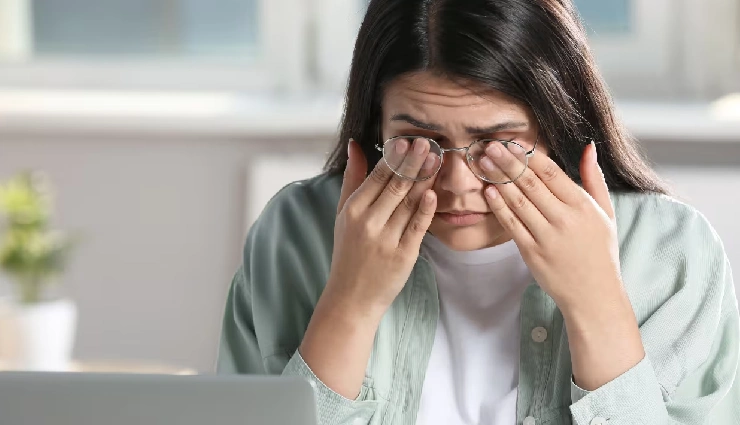
This is a year-round mistake, but during monsoon, the risk of infection multiplies due to the higher presence of bacteria and viruses in the environment. Your hands come into contact with countless contaminated surfaces like door handles, lift buttons, railings, and mobile phones.
Transferring germs from your hands directly to your eyes can lead to infection. Make it a habit to wash or sanitize your hands before touching your face. If you must rub your eyes, use a clean tissue instead.
# Sharing Towels, Handkerchiefs, or Pillowcases
Sharing personal items may seem harmless, but during the rainy season, it's one of the fastest ways to spread conjunctivitis. Viruses and bacteria can survive for hours on damp fabrics, which are common in humid weather.
Always use your own clean towel, handkerchief, pillowcase, and makeup products. Wash these items frequently and dry them thoroughly in sunlight or with a hot dryer. Encourage others at home to follow the same hygiene—especially if someone is already showing symptoms like redness or discharge in the eyes.
# Wearing Contact Lenses Improperly or for Too Long
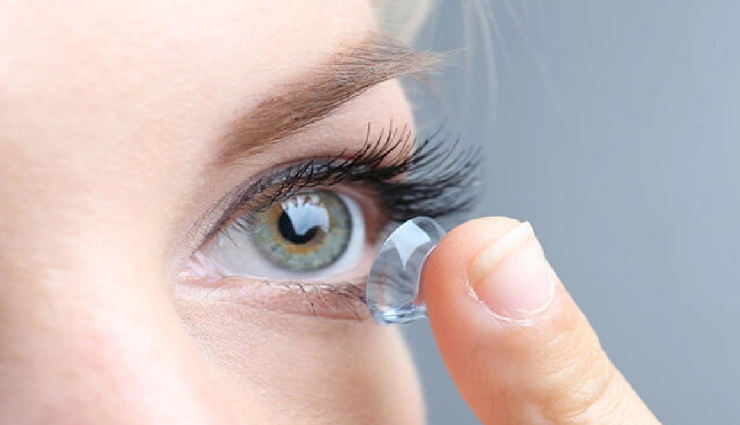
Contact lens users are more susceptible to eye infections during the monsoon. The humidity allows more dirt, pollen, and microbes to accumulate under lenses. Wearing them for extended periods or sleeping in them—intentionally or not—can seriously irritate your eyes and invite infections.
Avoid rinsing lenses with tap water or using expired solutions. On particularly humid or rainy days, switch to glasses if possible. If you must wear lenses, follow strict hygiene: wash your hands before handling lenses, clean the case daily, and never reuse old solution.
# Ignoring Early Signs of Eye Infections
Many people overlook the initial symptoms of conjunctivitis—like redness, itchiness, watery eyes, or a gritty sensation—dismissing them as minor irritations from rain or dust. However, delaying treatment allows the infection to spread and worsen.
Avoid self-medicating with leftover eye drops or over-the-counter solutions. Instead, consult an eye specialist who can determine whether the condition is bacterial, viral, or allergic conjunctivitis and treat it accordingly. Early treatment prevents complications such as corneal ulcers or long-term vision issues.

# Skipping Sunglasses or Protective Eyewear
While sunglasses are often associated with summer, they are equally important during the monsoon. Rain, wind, and airborne pollutants can irritate or infect your eyes when you're outdoors.
Wearing protective or wraparound sunglasses acts as a barrier against pathogens and debris. They also shield your eyes from sudden brightness on overcast days and reduce the risk of raindrops or puddle splashes entering your eyes.
# Neglecting Eye Makeup Hygiene
If you regularly wear eye makeup like kajal, eyeliner, or mascara, maintaining hygiene becomes crucial in the rainy season. Using expired or shared products significantly raises your risk of infection. A common mistake is applying makeup to already red or irritated eyes to conceal the problem.
Always check expiry dates, avoid sharing products, and make it a point to thoroughly remove your eye makeup before bed. Also, regularly clean your brushes and applicators, as the damp environment promotes bacterial growth.
# Rinsing Eyes with Tap or Rainwater
Getting splashed by rainwater may prompt you to rinse your eyes with tap water or even more rainwater. However, both are unsafe. Tap water may contain chemicals like chlorine or impurities, while rainwater can carry dust, pollutants, and harmful microorganisms.
If your eyes feel irritated, use a sterile saline solution or artificial tears prescribed by a doctor. Avoid using rose water or herbal rinses unless specifically recommended by an eye care professional.
# Ignoring Eye Allergies During Monsoon
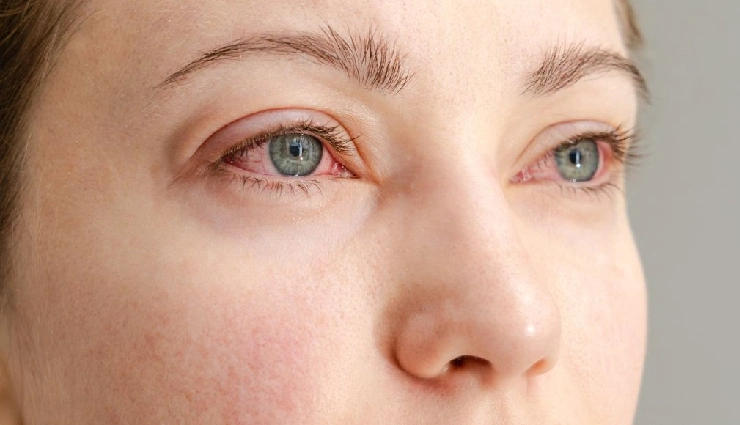
Seasonal allergies often worsen during the monsoon, showing up as itchy, red, or puffy eyes. Many people dismiss these symptoms, but rubbing allergic eyes can damage the protective layer and allow infections to set in.
If you suffer from monsoon-triggered eye allergies, keep antihistamine drops prescribed by your doctor on hand. Avoid known allergens such as mold, dust, or damp walls, and keep your indoor spaces clean and well-ventilated. Ignoring allergy symptoms can increase your risk of secondary infections.