
- Home›
- Healthy Living›
- 10 Home Remedies To Treat Calf Muscle Pain
10 Home Remedies To Treat Calf Muscle Pain
By: Priyanka Maheshwari Thu, 16 Jul 2026 10:34:21
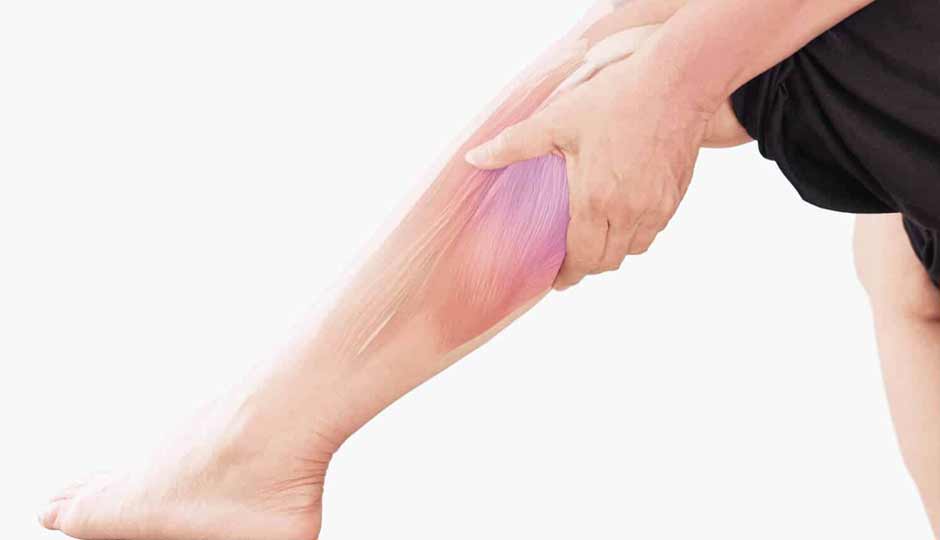
Calf muscle pain is a common problem that can occur after intense exercise, prolonged standing, dehydration, muscle cramps, or minor injuries. In most cases, mild calf pain can be managed at home with simple remedies that reduce pain, relax the muscles, and promote faster healing. However, if the pain is severe, sudden, accompanied by swelling, redness, or difficulty walking, consult a healthcare professional promptly.
Calf muscle pain is a common condition that affects people of all ages, from athletes and fitness enthusiasts to individuals who spend long hours standing or walking. It can range from mild soreness and stiffness to sharp pain caused by muscle strain, cramps, overuse, dehydration, or minor injuries. In most cases, calf muscle pain improves with proper rest, hydration, stretching, and simple home remedies. However, persistent, severe, or unexplained pain may indicate an underlying medical condition that requires professional evaluation. Understanding the causes of calf muscle pain and adopting the right self-care measures can help relieve discomfort, speed up recovery, and prevent future muscle problems.
# Rest the Affected Leg
Give your calf muscles time to recover by avoiding strenuous activities for 24–48 hours. Gentle walking is usually fine if it doesn't worsen the pain.
Tip: Avoid running, jumping, or heavy lifting until the pain improves.
# Apply Ice Packs
Ice helps reduce inflammation and numbs the painful area, especially during the first 24–48 hours after an injury.
How to use:
Wrap an ice pack in a thin towel.
Apply for 15–20 minutes every 2–3 hours.
# Try Warm Compresses
If the pain is due to muscle stiffness or cramps (rather than a fresh injury), heat can improve blood circulation and relax tight muscles.
How to use:
Apply a warm towel or heating pad for 15–20 minutes.
Avoid using heat if there is significant swelling.
# Gentle Calf Stretching
Stretching can relieve muscle tightness and improve flexibility.
Simple stretch:
Stand facing a wall.
Place the affected leg behind you with the heel on the floor.
Lean forward until you feel a gentle stretch.
Hold for 20–30 seconds and repeat 3–5 times.
# Massage with Warm Oil
A gentle massage can increase blood flow and reduce muscle tension.
Best oils:
Coconut oil
Sesame oil
Olive oil
Massage gently for 5–10 minutes. Avoid deep massage if the muscle is swollen or severely injured.
# Stay Hydrated
Dehydration can contribute to muscle cramps and soreness.
Drink:
Plenty of water
Coconut water
Electrolyte-rich fluids after heavy sweating or exercise
# Eat Magnesium- and Potassium-Rich Foods
These minerals support healthy muscle function and may help reduce cramping.
Include foods such as:
Bananas
Spinach
Avocados
Sweet potatoes
Pumpkin seeds
Yogurt
# Use Compression
A compression sleeve or elastic bandage can reduce swelling and provide support.
Note: The bandage should feel snug but not tight enough to restrict blood flow.
# Elevate Your Leg
If there is mild swelling, elevate your leg above heart level while resting. This can help reduce fluid buildup and discomfort.
# Practice Gentle Walking
Once the initial pain starts improving, short walks can help restore circulation and prevent stiffness. Increase activity gradually as the pain subsides.


