- Home›
- Healthy Living›
- 10 Home Remedies To Treat Lower Abdominal Pain
10 Home Remedies To Treat Lower Abdominal Pain
By: Priyanka Maheshwari Tue, 13 Oct 2026 10:03:44
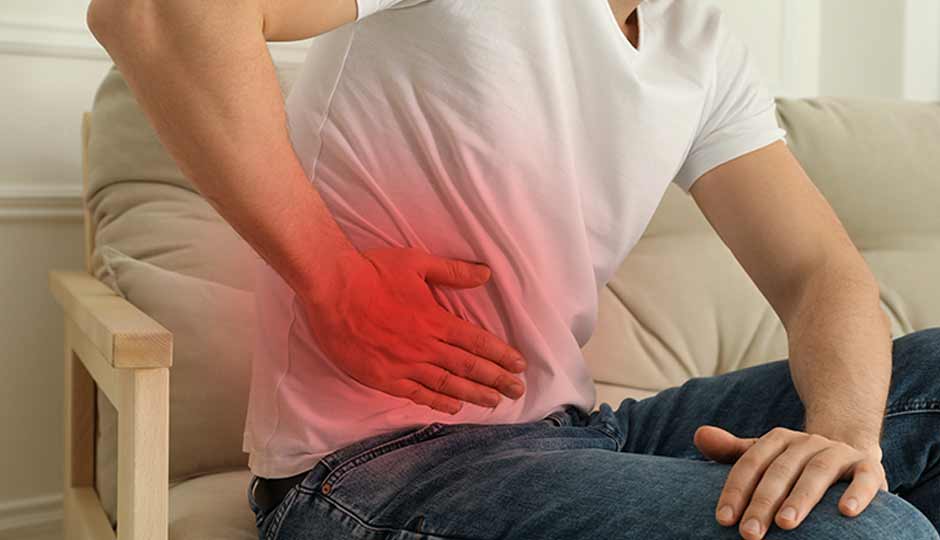
Lower abdominal pain is a common problem that can affect people of all ages. It may feel like mild cramping, a dull ache, bloating, pressure or sharp discomfort in the lower part of the abdomen. The pain can occur on the right or left side or across the entire lower belly. Common causes include gas, constipation, indigestion, menstrual cramps, urinary tract infections and digestive disturbances. In some cases, lower abdominal pain may be associated with conditions that require medical attention, such as appendicitis, kidney stones, ovarian cysts or pelvic infections.
While the appropriate treatment depends on the underlying cause, certain home remedies may help ease mild abdominal discomfort. Simple measures such as applying a warm compress, drinking enough water, eating light meals and managing constipation can provide temporary relief in some situations. However, home remedies should not be used to mask severe, persistent or unexplained pain.
Here are 10 home remedies that may help relieve mild lower abdominal pain, along with precautions to keep in mind.
1. Apply a Warm Compress
Applying gentle heat to the lower abdomen may help relax tense muscles and reduce cramping. This remedy can be particularly helpful for menstrual cramps and mild muscle-related discomfort.
How to use it:
Fill a hot-water bottle with warm, not boiling, water or use a heating pad on a low setting.
Wrap the hot-water bottle in a towel before placing it on the lower abdomen.
Apply it for 15–20 minutes at a time.
Take breaks between applications and check your skin regularly.
Why it may help: Heat can relax muscles and may reduce the intensity of menstrual cramps. It may also provide comfort when abdominal muscles feel tense.
Precautions: Never place a very hot object directly on the skin or sleep with a heating pad switched on. Do not rely on heat to manage severe, worsening or unexplained abdominal pain.
2. Drink Enough Water
Dehydration can contribute to constipation, which is a common cause of lower abdominal discomfort. Drinking enough fluids helps maintain normal bowel function and may make stools easier to pass.
How to follow this remedy:
Sip water regularly throughout the day.
Drink a glass of water with meals and between meals.
Increase your fluid intake when the weather is hot or you are physically active.
If you have been advised to restrict fluids because of a medical condition, follow your healthcare professional's advice.
Why it may help: Adequate hydration supports digestion and can help prevent hard stools associated with constipation.
Precautions: Drinking excessive amounts of water at once is unnecessary. Water alone will not treat causes such as appendicitis, urinary infections or gynaecological conditions.
3. Try Gentle Walking
Gentle physical activity can support bowel movement and may help relieve discomfort caused by gas or mild constipation. Prolonged sitting and inactivity can sometimes make constipation worse.
How to follow this remedy:
Take a slow 5–10-minute walk if you feel comfortable.
Avoid strenuous exercise, running or abdominal workouts while experiencing pain.
Stop walking if the discomfort increases.
Rest if you feel dizzy, weak or unwell.
Why it may help: Light movement can stimulate normal intestinal activity and support the passage of gas.
Precautions: Do not exercise through significant pain. Sudden or worsening pain, particularly in the lower right abdomen, requires medical assessment rather than an attempt to relieve it through exercise.
4. Eat Light and Easily Digestible Meals
Heavy meals, rich foods and certain gas-producing foods may aggravate bloating or digestive discomfort. Choosing smaller, simpler meals can help some people feel more comfortable when the pain is related to indigestion.
Foods you can consider:
Plain rice or soft khichdi
Toast or crackers
Bananas, if tolerated
Cooked vegetables
Light soups
Plain yoghurt, if dairy does not worsen your symptoms
How to follow this remedy:
Eat smaller portions instead of large meals.
Chew food slowly.
Avoid lying down immediately after eating.
Temporarily limit fried, very spicy or greasy foods if they worsen your symptoms.
Why it may help: Smaller meals may reduce the digestive workload and help limit discomfort associated with overeating.
Precautions: You do not need to follow a restrictive diet for every type of abdominal pain. If you have persistent vomiting or severe pain, seek medical care instead of trying to manage the problem with food.
5. Increase Fibre Gradually for Constipation
Constipation can cause lower abdominal pressure, cramping and bloating. If constipation is the likely cause and there are no warning signs, gradually increasing dietary fibre may help regulate bowel movements.
Fibre-rich foods to consider:
Oats
Pears and apples
Papaya
Cooked vegetables
Whole grains
Lentils and beans, if tolerated
How to follow this remedy:
Add one fibre-rich food at a time.
Drink enough fluids.
Maintain regular meal times.
Give your digestive system time to adjust.
Why it may help: Fibre adds bulk to stools and can help support regular bowel movements.
Precautions: Increasing fibre suddenly may worsen gas and bloating. Avoid taking fibre supplements or laxatives without medical advice if you have severe pain, vomiting, marked abdominal swelling or difficulty passing gas or stools, as these symptoms may indicate an obstruction.
6. Try Ginger Tea for Mild Digestive Discomfort
Ginger is traditionally used to manage nausea and digestive discomfort. Some evidence supports its use for certain types of nausea, but evidence that ginger tea specifically relieves lower abdominal pain is limited.
How to prepare ginger tea:
Bring one cup of water to a gentle boil.
Add a few thin slices of fresh ginger.
Simmer for approximately 5 minutes.
Allow it to cool to a comfortable temperature before drinking.
You may drink a small cup if you tolerate ginger well.
Why it may help: Ginger may help with nausea and some digestive symptoms, potentially making you feel more comfortable when mild indigestion is present.
Precautions: Ginger can cause heartburn or stomach irritation in some people. Check with a healthcare professional before using concentrated ginger supplements, particularly if you take blood-thinning medication. Ginger tea is not a treatment for unexplained lower abdominal pain.
7. Avoid Foods That Trigger Gas
Gas trapped in the digestive tract can cause cramping, pressure and a feeling of fullness in the lower abdomen. Certain foods and drinks may increase gas in some people.
Common triggers include:
Beans and lentils
Cabbage and cauliflower
Onions
Carbonated drinks
Sugar-free products containing sorbitol
Milk and dairy products in people with lactose intolerance
How to follow this remedy:
Notice whether specific foods trigger your symptoms.
Eat slowly and avoid swallowing excessive air.
Limit fizzy drinks if they make you feel bloated.
Try smaller portions of foods that commonly cause gas.
Why it may help: Reducing individual food triggers may decrease excessive gas and associated abdominal discomfort.
Precautions: These foods are not unhealthy for everyone. Avoid eliminating multiple food groups unnecessarily, and seek medical advice if bloating or pain is persistent.
8. Maintain Regular Bowel Habits
Changes in bowel habits can contribute to lower abdominal discomfort. Delaying the urge to pass stools, irregular meal times and inadequate fluid intake may aggravate constipation in some people.
How to follow this remedy:
Visit the toilet when you feel the urge to pass stools.
Try sitting on the toilet at a regular time each day, particularly after breakfast.
Place your feet on a small footstool to adopt a more comfortable position.
Avoid straining excessively.
Combine a regular routine with appropriate hydration and gradual dietary fibre intake.
Why it may help: A consistent toilet routine can support normal bowel movements and reduce discomfort associated with constipation.
Precautions: Do not assume that lower abdominal pain is caused by constipation simply because your bowel movements have changed. Blood in the stool, unexplained weight loss or persistent changes in bowel habits need medical evaluation.
9. Practise Slow Breathing and Relaxation
Stress can affect digestion and may worsen symptoms in some people with conditions such as irritable bowel syndrome. Relaxation techniques may help reduce stress-related muscle tension and improve comfort, although they do not treat the underlying cause of abdominal pain.
How to practise:
Sit or lie in a comfortable position if the pain is mild.
Breathe in gently through your nose for about four seconds.
Breathe out slowly for about six seconds.
Continue for two to five minutes without forcing your breath.
Why it may help: Slow breathing may promote relaxation and help you cope with discomfort associated with stress or digestive sensitivity.
Precautions: Stop if you feel dizzy. Do not use relaxation exercises as a substitute for medical assessment when the pain is new, severe or persistent.
10. Get Adequate Rest
Rest may help when lower abdominal discomfort is related to mild muscle strain, menstrual cramps or temporary digestive upset. It also allows you to monitor whether the symptoms improve or worsen.
How to follow this remedy:
Rest in a comfortable position.
Avoid strenuous physical activity until mild symptoms settle.
Drink fluids as tolerated.
Eat small meals if you feel hungry and can tolerate food.
Monitor the location, intensity and duration of the pain.
Why it may help: Rest can reduce physical strain and make discomfort easier to manage while minor symptoms resolve.
Precautions: Rest is not a treatment for serious abdominal conditions. If the pain continues, recurs or interferes with normal activities, arrange a medical assessment.