- Home›
- Healthy Living›
- 10 Remedies To Treat Pain After Root Canal Treatment
10 Remedies To Treat Pain After Root Canal Treatment
By: Jhanvi Gupta Sat, 19 Jul 2025 10:38:34

Tooth problems are among the most distressing health issues one can face. They often begin by affecting the gums and, if left untreated, can escalate into severe conditions.
To prevent further complications and protect surrounding teeth, many individuals opt for root canal treatment—a procedure often associated with discomfort and pain.
Root canal therapy is becoming increasingly common. In this procedure, also known as endodontic treatment, the inflamed or infected pulp is removed, and the interior of the tooth is thoroughly cleaned, disinfected, and sealed with a rubber-like substance called gutta-percha.
Your teeth play a critical role—not just in enhancing your appearance, but also in chewing, speaking, and maintaining overall health. That’s why maintaining good oral hygiene is essential.
However, many patients experience pain and sensitivity immediately after a root canal. The good news? With the right precautions, this discomfort can be managed effectively. Here are some of the most effective ways to ease pain following root canal treatment:

# Don’t Skip Your Antibiotics
Follow your dentist’s antibiotic regimen precisely to fight infection and reduce pain. Since the treated tooth is highly sensitive post-procedure, timely medication is crucial. Avoid self-medicating, as it can lead to unwanted side effects.
# Use Anti-Inflammatory Medication
Root canal treatment can shock the periodontal ligaments—connective tissues that anchor the tooth to the jawbone. To reduce inflammation and pain, use anti-inflammatory medications as prescribed by your dentist. Over-the-counter options exist, but always consult a professional first.
# Be Patient – It Will Heal Over Time
Pain after a root canal is natural. During the procedure, nerves are severed, and healing takes time. The discomfort generally lessens with time, so patience is often the best remedy.
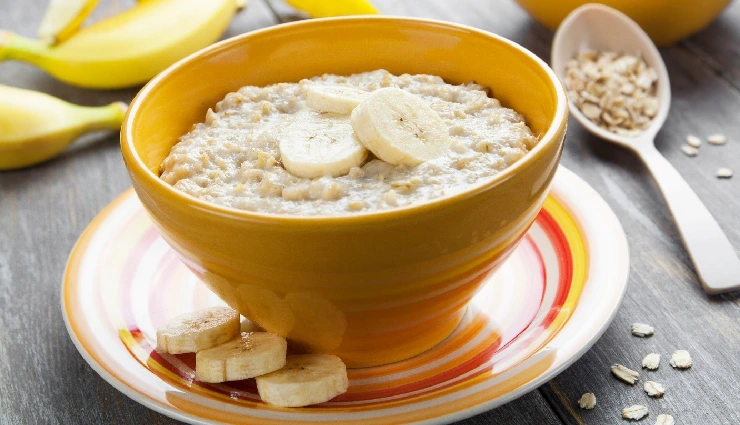
# Stick to Soft Foods
Avoid hard or crunchy foods for a few days. Chew on the opposite side to protect the treated tooth, which can be more delicate and brittle. Eating soft, mildly seasoned food will help avoid aggravating the area.
# Consider a Crown
If the affected tooth is severely decayed or weakened, your dentist may recommend a dental crown to restore its strength and function. A crown can help prevent fractures and recurring pain. Always consult your dentist regarding this option.
# Apply an Ice Pack
An ice pack can help reduce inflammation and numb the area, easing discomfort. Apply it externally on the cheek near the treated area for short intervals.

# Gargle with Salt Water
Rinsing with warm salt water multiple times a day can reduce swelling, fight bacteria, and soothe the affected area. Hold the solution near the treated tooth for added relief.
# Use Hydrogen Peroxide Rinse
Hydrogen peroxide has strong antibacterial properties. Gently swishing a diluted solution can aid in cleaning the mouth and relieving discomfort. However, use with caution and as advised by a dentist.
# Try Onion and Garlic Juice
These common kitchen ingredients have natural antibacterial and anti-inflammatory properties. Though not the most palatable, gargling with their juice can be a cost-effective and natural remedy.
# Chew Cloves
Cloves contain eugenol, a natural pain reliever with anti-inflammatory benefits. Chewing a clove or applying clove oil can numb the area and reduce pain. The taste may be strong, but the relief is worth it.