
- Home›
- Healthy Living›
- 12 Home Remedies To Improve Eye Health And Manage Weak Eyesight Naturally
12 Home Remedies To Improve Eye Health And Manage Weak Eyesight Naturally
By: Priyanka Maheshwari Mon, 12 Oct 2026 9:56:43
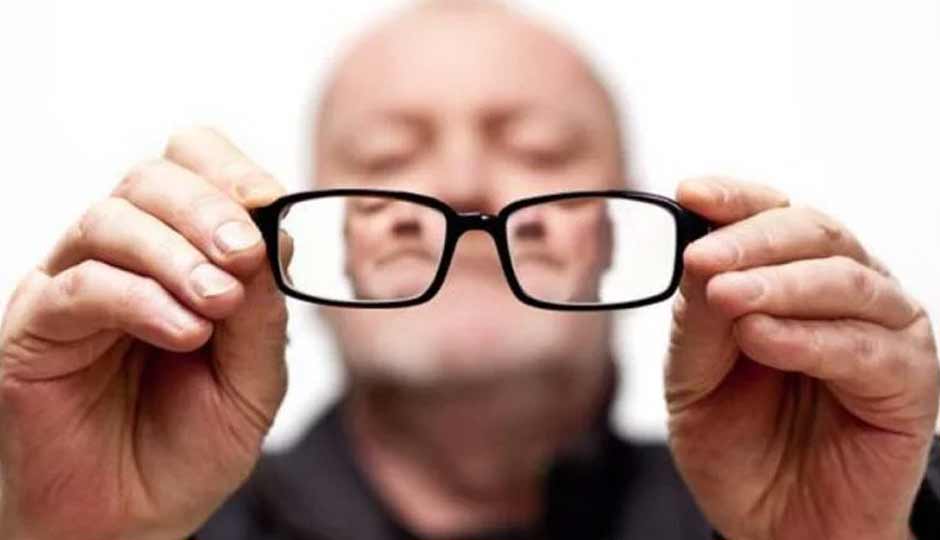
Weak eyesight is a common concern that can affect people of all ages. Spending long hours in front of mobile phones, computers and televisions, inadequate nutrition, ageing and certain underlying eye conditions may contribute to eye strain, blurred vision, dryness and difficulty focusing. Symptoms such as frequent headaches, squinting, watery eyes and difficulty seeing distant or nearby objects may also indicate a vision problem that needs attention.
Although several home remedies and healthy lifestyle habits can support eye health, they cannot reverse refractive errors such as myopia (nearsightedness), hyperopia (farsightedness) or astigmatism. These conditions may require prescription glasses, contact lenses or other treatments recommended by an eye specialist. However, maintaining a balanced diet, getting enough sleep, taking regular screen breaks and protecting your eyes from excessive sunlight can help keep your eyes comfortable and healthy.
If you are looking for natural ways to care for your eyes, here are some home remedies and everyday habits that may help reduce eye strain, relieve dryness and support healthy vision.
1. Eat Carrots Regularly
Carrots are widely associated with good eyesight because they contain beta-carotene, which the body converts into vitamin A. Vitamin A plays an essential role in maintaining the cornea, the transparent outer surface of the eye, and supporting vision in low-light conditions.
How to include carrots in your diet:
Eat fresh carrots as part of your daily salad.
Add grated carrots to soups, vegetable dishes or sandwiches.
Prepare homemade carrot soup or lightly cooked carrots.
Combine carrots with other colourful vegetables for a variety of nutrients.
How it helps: Adequate vitamin A intake supports normal vision, particularly in dim light. However, eating extra carrots will not eliminate the need for glasses if you have a refractive error.
2. Include Green Leafy Vegetables in Your Diet
Green leafy vegetables such as spinach, kale and other dark-green leafy varieties contain lutein, zeaxanthin, vitamin C and other nutrients that contribute to eye health. Lutein and zeaxanthin are pigments found in the retina, where they help filter some high-energy blue light and protect against oxidative stress.
How to use this remedy:
Include spinach or other leafy greens in your meals several times a week.
Add greens to dal, soups, vegetable curries or omelettes.
Pair leafy vegetables with a balanced diet containing healthy fats to support the absorption of fat-soluble nutrients.
How it helps: Regularly consuming leafy greens helps provide nutrients associated with retinal health. They are beneficial as part of an overall healthy diet, rather than as a treatment for existing eyesight problems.
3. Eat Foods Rich in Omega-3 Fatty Acids
Omega-3 fatty acids are important nutrients that support several bodily functions, including the normal functioning of cell membranes. They are found in oily fish, walnuts, flaxseeds and chia seeds. Some omega-3 fatty acids are also present in the retina.
How to include omega-3 foods:
Add a small serving of walnuts to your breakfast.
Sprinkle ground flaxseeds or chia seeds over oatmeal or yoghurt.
Include oily fish in your diet if you eat fish.
Follow a balanced diet with a variety of plant-based and other nutrient-rich foods.
How it helps: These foods contribute to overall eye health. Omega-3 supplements are not a proven way to improve visual sharpness, and evidence for their benefits in treating dry eye is mixed.
4. Follow the 20-20-20 Rule
Prolonged screen use can contribute to digital eye strain, causing tired eyes, headaches, dryness and temporary difficulty focusing. When concentrating on a screen, people tend to blink less frequently, which can make the eyes feel dry or irritated.
The 20-20-20 rule is a simple habit that may help reduce screen-related discomfort.
How to follow it:
After every 20 minutes of screen use, take a break.
Look at an object approximately 20 feet away.
Keep looking at it for at least 20 seconds.
Blink gently and resume your work.
How it helps: Regular breaks allow your focusing system to relax and encourage blinking. This may relieve eye strain, although it does not permanently improve eyesight or correct refractive errors.
5. Get Enough Sleep
Sleep is important for general health, including eye comfort. Insufficient sleep may leave your eyes feeling tired, dry, heavy or irritated. It can also make screen-related discomfort more noticeable.
What you can do:
Aim for seven to nine hours of sleep each night if you are an adult.
Maintain a consistent bedtime and wake-up time.
Reduce screen exposure close to bedtime if it interferes with sleep.
Keep your bedroom comfortable and avoid sleeping in contact lenses.
How it helps: Adequate sleep supports normal tear-film function and may reduce tired-eye symptoms. It will not reverse myopia or other structural vision problems.
6. Use a Clean, Cool Compress for Tired Eyes
A cool compress can provide temporary comfort when your eyes feel tired, mildly puffy or irritated. It is a simple option after a long day of reading or screen use.
How to use it:
Wash your hands thoroughly.
Take a clean, soft washcloth and wet it with cool, clean water.
Wring out the excess water.
Close your eyes and gently place the cloth over your eyelids for five to ten minutes.
Remove the cloth if you experience discomfort.
How it helps: A cool compress may soothe mild irritation and puffiness, but it does not strengthen the eyes or improve visual acuity.
Important: Do not place ice directly on your eyelids, press on your eyeballs or use a compress as a substitute for medical care if you have eye pain or sudden vision changes.
7. Drink Enough Water
Dehydration can contribute to general discomfort and may aggravate dryness in some people. Drinking enough fluids throughout the day is a simple way to support normal body functions.
How to maintain hydration:
Drink water regularly throughout the day.
Increase fluid intake when the weather is hot or you are physically active.
Eat water-rich foods such as cucumber, oranges and watermelon.
Pay attention to thirst and the effects of heat and activity on your fluid needs.
How it helps: Adequate hydration supports general health and may help if dehydration contributes to discomfort. Drinking excess water will not correct weak eyesight or replace treatment for dry eye disease.
8. Eat Foods Rich in Vitamin C
Vitamin C is an antioxidant that helps protect cells from oxidative damage. It also contributes to the normal functioning of blood vessels and connective tissues. Fruits such as oranges, guavas, kiwi, strawberries and amla are useful dietary sources.
How to include vitamin C:
Eat a serving of fresh fruit each day.
Include guava, oranges or amla in your regular diet.
Add fruit to breakfast or enjoy it as a snack.
Choose whole fruit more often than sugary fruit drinks.
How it helps: A balanced diet containing vitamin C supports general and eye health. Eating vitamin C-rich foods does not directly sharpen blurry vision.
9. Protect Your Eyes from Sunlight
Exposure to ultraviolet (UV) radiation can contribute to eye damage over time. Protecting your eyes outdoors is an important preventive habit, especially in places with strong sunlight.
What you can do:
Wear sunglasses labelled to provide 99–100% UVA and UVB protection or UV400 protection.
Choose sunglasses that cover the eyes adequately from the sides.
Wear a wide-brimmed hat when spending long periods outdoors.
Avoid looking directly at the sun, even while wearing sunglasses.
How it helps: UV protection reduces exposure to potentially harmful radiation and supports long-term eye health. It does not correct existing vision problems.
10. Maintain Good Lighting While Reading
Reading in poor lighting or holding a screen too close may contribute to discomfort, especially during long periods of concentrated work. Good lighting and a comfortable reading position can help reduce unnecessary eye strain.
How to improve your reading environment:
Use sufficient, evenly distributed lighting.
Position your reading material at a comfortable distance.
Reduce glare from windows, lamps and screens.
Adjust screen brightness to suit the surrounding light.
Increase text size rather than leaning closer to read small text.
How it helps: Better lighting and ergonomics can make reading more comfortable, but they will not permanently improve eyesight or change your prescription.
11. Blink Frequently and Consider Lubricating Eye Drops
Frequent blinking spreads tears across the surface of the eyes, helping keep them lubricated. Concentrating on a computer, phone or book for a long time can reduce blinking and contribute to dryness or a gritty sensation.
What you can do:
Make a conscious effort to blink fully during screen use.
Take regular breaks from close-up work.
Avoid directing fans or air-conditioning vents straight at your face.
If dryness persists, ask a pharmacist or eye-care professional about suitable lubricating eye drops, such as artificial tears.
How it helps: Blinking and appropriate lubricating drops may relieve dryness and temporarily improve clarity when blurry vision is caused by an unstable tear film.
Avoid using steroid eye drops, antibiotic drops or redness-relief drops without appropriate medical advice. If you wear contact lenses, check that any drops you use are suitable for them.
12. Get Regular Eye Examinations
One of the most effective ways to protect your vision is to have your eyes examined regularly. Some eye conditions develop gradually and may not cause noticeable symptoms in their early stages.
What you can do:
Arrange an eye examination if you frequently experience blurred vision, headaches or difficulty reading.
Update your glasses prescription when recommended.
Follow your eye specialist's advice if you have diabetes, high blood pressure or a family history of eye disease.
Ensure children receive appropriate vision screening and examinations.
How it helps: An eye examination can identify refractive errors and detect certain eye diseases early, allowing appropriate treatment and helping prevent avoidable vision loss.