- Home›
- Healthy Living›
- 12 Home Remedies To Treat Calf Muscle Pain
12 Home Remedies To Treat Calf Muscle Pain
By: Priyanka Maheshwari Mon, 28 Sep 2026 9:43:39
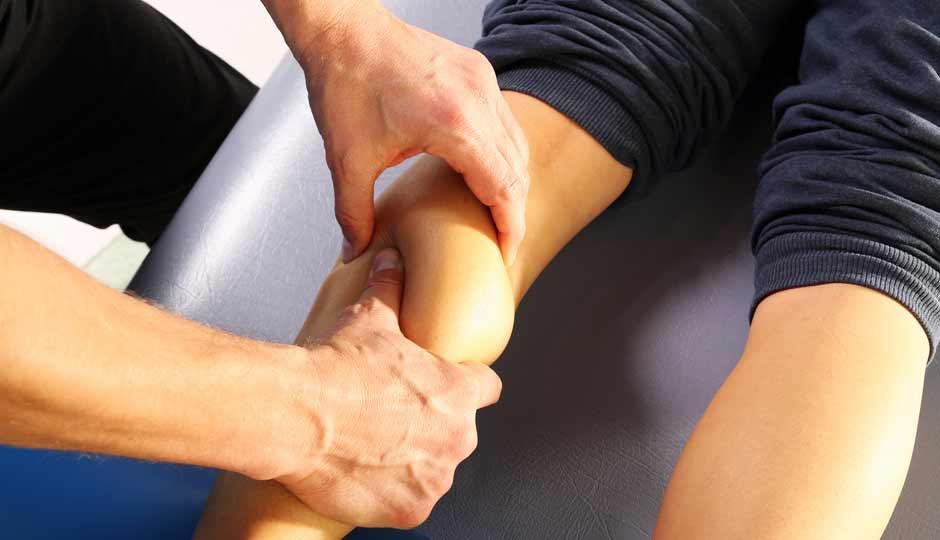
Calf muscle pain is a common problem that can affect people of all ages and may range from a mild ache or tightness to sharp, intense discomfort. The calf consists of several muscles that play an important role in walking, running, climbing stairs and maintaining balance. Pain in this area can develop due to muscle cramps, overexertion, prolonged standing, dehydration, sudden changes in physical activity or minor muscle strains.
While mild calf pain often improves with adequate rest and simple home care, persistent or unexplained discomfort should not be ignored. Gentle stretching, appropriate hot or cold therapy, hydration and gradual physical activity may help relieve symptoms in certain cases. Understanding the possible causes of calf pain and knowing when professional medical attention is necessary can help support safe recovery and prevent the problem from worsening.
1. Take Adequate Rest
Giving the affected calf enough rest is one of the simplest ways to support recovery. Avoid activities that increase the pain, such as running, jumping, climbing stairs repeatedly, or intense leg workouts.
Reduce strenuous activity for a few days.
Continue gentle everyday movement if it does not worsen the pain.
Avoid completely immobilising the leg for prolonged periods unless advised by a healthcare professional.
2. Apply an Ice Pack
Cold therapy can be useful when calf pain follows exercise, a minor strain, or a small injury. It may help reduce pain and swelling.
How to use it:
Wrap ice or a cold pack in a thin towel.
Place it over the painful area for about 15–20 minutes at a time.
Repeat several times during the first day or two after a minor injury.
Never apply ice directly to the skin.
3. Try a Warm Compress
Heat can be soothing when the calf feels tight or stiff, particularly when there is no significant swelling and the discomfort is related to muscle tension.
How to use it:
Apply a warm towel or heating pad for around 15–20 minutes.
Make sure the heat is comfortable rather than very hot.
Avoid sleeping with a heating pad switched on.
For a fresh injury with swelling, cold therapy is generally preferable initially; heat may be more comfortable later when swelling has settled.
4. Gentle Calf Stretching
Once severe pain has settled, gentle stretching can help loosen a tight calf.
Wall calf stretch:
Stand facing a wall and place both hands on it.
Keep the painful leg behind you.
Keep the back heel on the floor.
Slowly bend the front knee while keeping the back leg relatively straight.
Hold the stretch for about 15–30 seconds.
Relax and repeat a few times, without forcing the stretch.
Stop if stretching causes sharp or increasing pain.
5. Gentle Massage
A light massage may provide temporary relief when the discomfort is related to muscle tightness or post-exercise soreness.
Use gentle pressure rather than deep tissue massage.
Massage for approximately 5–10 minutes.
Stop if pain increases.
Do not massage a calf that is suddenly swollen, red, warm, or significantly tender, because those symptoms can require medical assessment.
6. Stay Hydrated
Dehydration can contribute to muscle cramps in some people. Make a habit of drinking enough fluids throughout the day, especially during hot weather or after sweating.
Water is usually sufficient for ordinary daily activity. After prolonged, heavy sweating, fluids containing electrolytes may sometimes be useful.
7. Eat a Balanced Diet
Adequate nutrition supports normal muscle function. Include foods containing potassium, magnesium and calcium as part of a balanced diet.
Some options include:
Potassium: bananas, potatoes, oranges, coconut water
Magnesium: almonds, pumpkin seeds, legumes, whole grains
Calcium: milk, curd, paneer, sesame seeds and fortified foods
Protein: eggs, dairy products, pulses, beans, fish or other protein sources
Do not start high-dose mineral supplements simply because you have calf pain; supplementation is best discussed with a healthcare professional if a deficiency is suspected.
8. Elevate the Leg if There Is Mild Swelling
If the calf is mildly swollen after a minor injury, elevating the leg may help with comfort.
Lie down and place the leg on pillows.
Keep the calf comfortably supported.
Avoid positions that cause numbness or increased pain.
9. Use Gentle Movement
After the initial painful period, gentle movement can prevent stiffness.
Try:
Slow ankle circles
Gentle ankle pumps
Short, easy walks if comfortable
Avoid suddenly returning to running, heavy squats, jumping or intense exercise.
10. Warm Shower for Muscle Tightness
A warm shower or bath can help relax tense muscles and may make gentle stretching more comfortable. Keep the water warm rather than excessively hot.
This is more appropriate for muscle tightness or stiffness than for a freshly injured, swollen calf.
11. Improve Your Pre- and Post-Exercise Routine
If calf pain repeatedly appears after exercise, review your routine.
Warm up gradually before strenuous activity.
Increase exercise intensity slowly.
Stretch gently after activity if it feels comfortable.
Wear properly fitting, supportive footwear.
Avoid suddenly increasing running distance or workout intensity.
12. Avoid Excessive Rest After Recovery Begins
Once the acute pain has improved, gradually return to normal activity. Prolonged inactivity can lead to stiffness and reduced muscle conditioning.
A gradual progression is better than immediately returning to your previous workout intensity.