- Home›
- Healthy Living›
- 12 Ways To Find Out The Effects Of Liver Damage On The Body
12 Ways To Find Out The Effects Of Liver Damage On The Body
By: Saloni Jasoria Sat, 09 Aug 2025 8:13:50
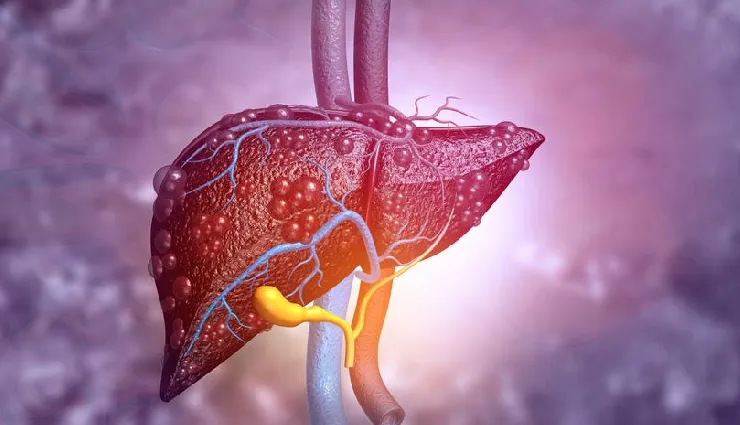
The liver is vital to numerous essential bodily functions. It plays a key role in protein production, blood clotting, cholesterol and glucose regulation, and iron metabolism, among other processes.
Given its importance, it's crucial to recognize the early signs of liver damage and take proactive steps to support liver health.
Liver failure occurs when significant portions of the liver become damaged, impairing its ability to function effectively. This condition—and other forms of liver disease—can be life-threatening and demand immediate medical intervention.
Most cases of liver failure develop gradually over time. Common causes include chronic infections like Hepatitis B and C, prolonged alcohol consumption, cirrhosis, and malnutrition.
Since liver failure can be difficult to detect in its early stages, it's important to be aware of the subtle warning signs your body may give. Below are some of the common symptoms associated with liver damage:

# Upset Stomach and Nausea
Persistent nausea and an upset stomach are early indicators of liver trouble. This occurs because the liver loses its ability to efficiently eliminate toxins from the body.
# Fatigue and General Weakness
Feeling constantly tired or weak is a common sign of liver dysfunction, typically caused by an accumulation of toxins in the bloodstream that the liver can no longer filter out effectively.
# Loss of Appetite
A malfunctioning liver may produce less bile, which is essential for digesting fats. Poor digestion often leads to a reduced desire to eat.
# Digestive Problems
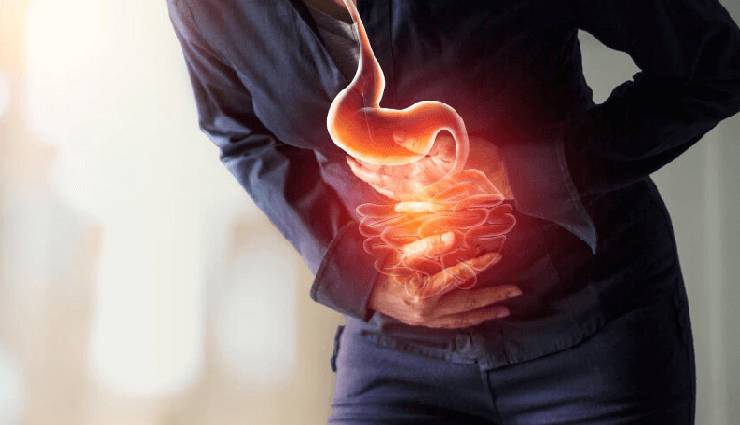
Liver issues can cause frequent indigestion and diarrhea. A lack of bile can also lead to conditions such as irritable bowel syndrome, bloating, and the formation of gallstones.
# Dark-Colored Urine
Dark urine may signal elevated levels of bilirubin in the body, a waste product that the liver is unable to eliminate properly and is instead passed through the kidneys.
# Pale or Clay-Colored Stools
Insufficient bile production can cause stools to become pale yellow, grey, or clay-colored—a noticeable sign of liver malfunction.
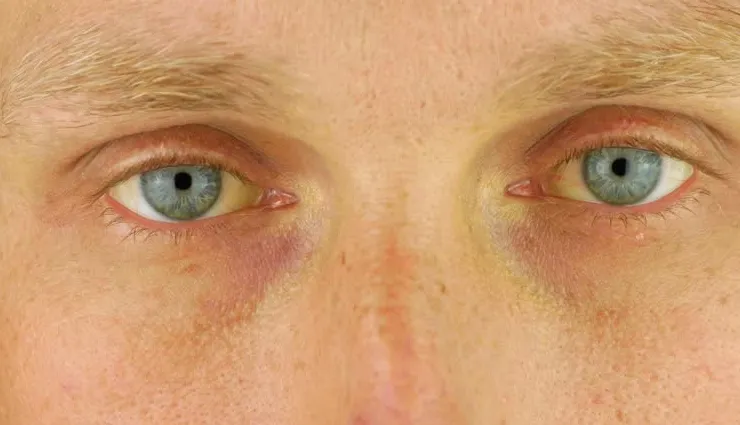
# Jaundice
A yellowing of the skin and eyes, known as jaundice, is caused by a buildup of bilirubin in the blood and tissues. It is a classic sign of liver damage.
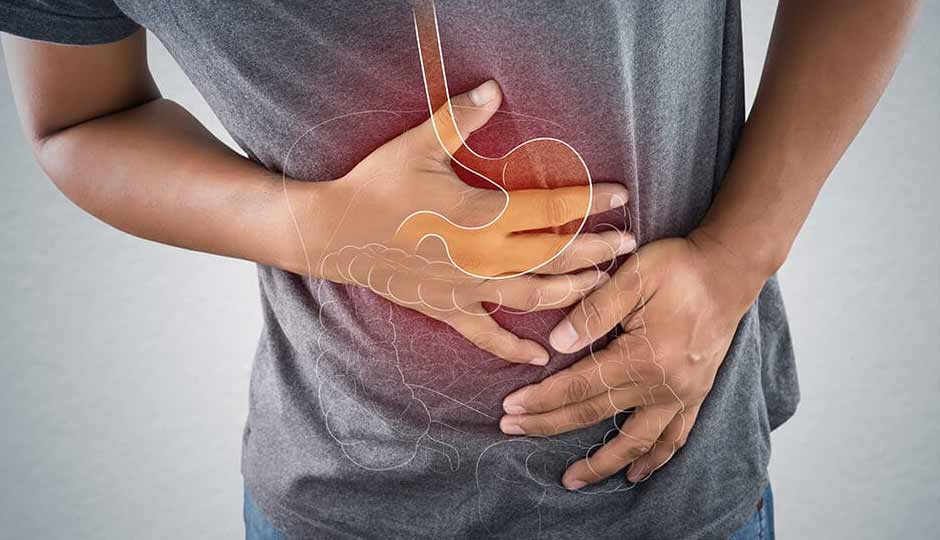
# Abdominal Discomfort or Bloating
Pain, cramping, or bloating in the lower abdomen may indicate liver-related fluid buildup, known as ascites.
# Fluid Retention
Swelling, especially in the ankles and feet, is a common early sign of liver damage and should be medically evaluated without delay.

# Itchy Skin
Liver damage can make the skin more sensitive, leading to persistent itching, flakiness, increased bruising, and more visible veins.
# Upper Abdominal Pain
Pain or tenderness in the upper right side of the abdomen—just beneath the rib cage—may point to liver inflammation or enlargement.
# Intestinal Bleeding
As the liver is essential for proper blood clotting, damage to it can cause gastrointestinal bleeding, often accompanied by diarrhea or constipation.