
- Home›
- Healthy Living›
- 14 Foods To Eat And Avoid During Monsoon
14 Foods To Eat And Avoid During Monsoon
By: Priyanka Maheshwari Mon, 13 Jul 2026 10:23:24
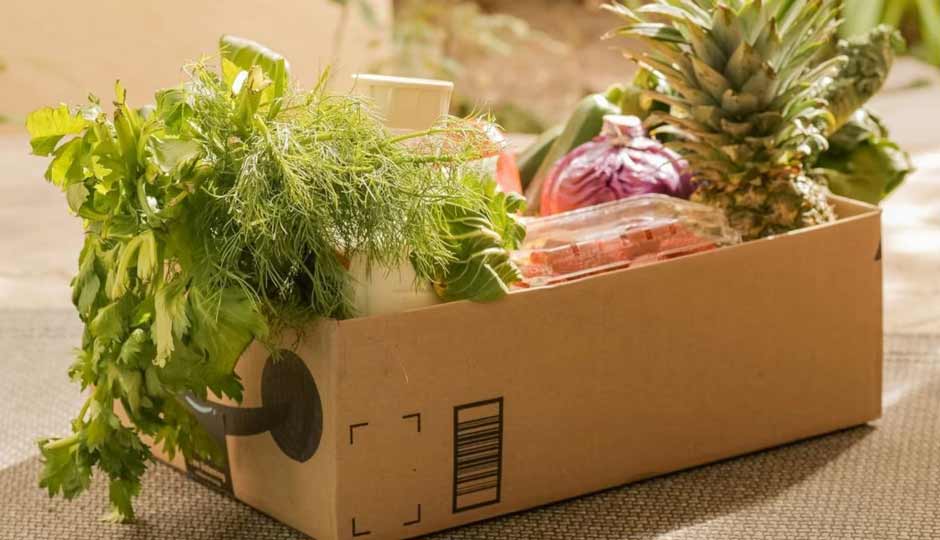
The arrival of the monsoon offers welcome relief from the scorching summer heat. Cool showers, lush greenery, and the soothing fragrance of rain-soaked earth make the season feel refreshing and magical. However, while the weather becomes pleasant, your digestive system may face several challenges.
High humidity, contaminated water, fluctuating temperatures, and increased bacterial growth make the rainy season particularly tough on gut health. As a result, many people experience digestive issues such as bloating, acidity, indigestion, stomach infections, and even food poisoning during this time.
According to Ayurveda, the body's digestive fire, or Agni, weakens during the monsoon, slowing metabolism and making it harder to digest heavy or unhealthy foods. This is why eating the right foods becomes essential for maintaining good digestion, strong immunity, and overall wellness.
A healthy gut starts with mindful food choices. Instead of simply avoiding unhealthy foods, focus on nourishing your digestive system with fresh, wholesome, and easily digestible meals that help your body stay balanced throughout the season.
Foods to Eat During Monsoon
1. Warm, Freshly Cooked Meals
Freshly prepared, warm meals are among the best foods to eat during the rainy season. Since digestion naturally slows down during monsoon, cooked foods are much easier on the stomach than raw or refrigerated meals.
Soups, vegetable stews, khichdi, steamed vegetables, and lightly spiced curries are excellent choices. Cooking also helps eliminate harmful bacteria that may be present on raw produce. Enhance your meals with digestive spices like ginger, cumin, black pepper, turmeric, and ajwain to improve digestion and reduce excess moisture in the body.
2. Fermented Foods in Moderation
Fermented foods help replenish healthy gut bacteria and improve digestion when consumed in the right quantity. Homemade curd, buttermilk, kanji, and mildly fermented foods can support a balanced gut microbiome and strengthen immunity.
However, avoid consuming excessive amounts of cold or overly sour fermented foods during monsoon, as they may upset digestion. Choose freshly prepared, mildly fermented options served at room temperature for maximum benefits.
3. Seasonal Fruits
Seasonal fruits provide essential vitamins, antioxidants, and fiber that help keep your digestive system healthy. Apples, pomegranates, papayas, pears, and bananas are excellent choices during the monsoon.
Pomegranates are particularly beneficial because they promote healthy gut bacteria and help reduce inflammation. Always wash fruits thoroughly before eating, avoid pre-cut fruits sold outside, and whenever possible, choose fresh, organic produce to minimize pesticide exposure.
4. Herbal Teas and Natural Infusions
Warm herbal drinks are one of the simplest ways to support digestion during the rainy season. Herbal teas made with ginger, tulsi, cinnamon, fennel, or cardamom help reduce bloating, ease gas, and improve digestion while keeping the body warm.
Drinking a cup after meals can also help control acidity, promote detoxification, and strengthen immunity. Adding a small pinch of turmeric further enhances the anti-inflammatory benefits.
5. Moong Dal and Sprouted Moong
Light, protein-rich foods are easier for the digestive system to process during monsoon. Moong dal and sprouted moong are packed with protein, dietary fiber, and prebiotics that nourish beneficial gut bacteria.
Unlike heavier legumes such as rajma or chickpeas, moong is gentle on the stomach and ideal for those recovering from digestive discomfort. Prepare it as soups, khichdi, or lightly sautéed dishes using digestive spices for maximum health benefits.
6. Bitter and Astringent Vegetables
Vegetables like bottle gourd (lauki), ridge gourd (turai), bitter gourd (karela), and ash gourd are highly recommended during monsoon. Ayurveda considers these vegetables excellent for cleansing the digestive system, removing toxins, improving metabolism, and reducing water retention.
They also help maintain a healthy balance of gut bacteria while lowering the risk of seasonal infections. Light steaming or sautéing them with cumin and turmeric makes them both nutritious and easy to digest.
7. Ghee (Clarified Butter)
A small amount of pure cow's ghee can significantly benefit gut health during the rainy season. Ghee supports healthy digestion by lubricating the intestinal lining, improving nutrient absorption, and reducing inflammation.
It is naturally rich in butyric acid, a short-chain fatty acid that nourishes the cells lining the digestive tract and promotes a healthy gut. Adding about half a teaspoon of ghee to your daily meals can strengthen digestion, improve overall gut function, and help maintain internal balance throughout the monsoon.
Foods to Avoid During Monsoon for Better Gut Health
1. Raw Leafy Green Vegetables
Although leafy greens are packed with essential nutrients, they require extra caution during the monsoon. Vegetables like spinach, lettuce, fenugreek (methi), and other leafy greens are more likely to carry dirt, insects, bacteria, and parasites because of increased moisture and water contamination.
If you choose to eat them, wash them thoroughly under clean running water and cook them properly before consumption. It's best to avoid raw leafy salads during the rainy season, as they can increase the risk of stomach infections and digestive discomfort.
2. Street Food and Unhygienic Snacks
Nothing feels more comforting than enjoying hot pakoras or spicy chaat while it rains, but street food can pose a serious health risk during monsoon. The humid weather creates the perfect environment for bacteria to multiply, and food prepared with stale oil, contaminated water, or poorly stored ingredients can easily lead to digestive problems.
Eating unhygienic food may cause bloating, diarrhea, food poisoning, or stomach infections. If you're craving your favorite rainy-day snacks, prepare them at home using fresh ingredients, clean cooking oil, and digestive spices like ajwain and asafoetida (hing).
3. Cold Beverages and Refrigerated Foods
Cold drinks, ice creams, chilled desserts, and foods taken directly from the refrigerator can weaken digestion during the rainy season. Since the digestive system naturally slows down in monsoon, consuming cold foods further reduces digestive efficiency, leading to bloating, acidity, and indigestion.
Instead, choose warm water, freshly prepared herbal teas, or beverages served at room temperature. Fresh juices without ice are also a healthier choice. Whenever possible, eat freshly cooked meals instead of refrigerated leftovers.
4. Deep-Fried and Oily Foods
Fried foods are undoubtedly tempting during cool, rainy weather, but they can be difficult for the digestive system to process. Excess oil combined with increased humidity often causes heaviness, sluggish digestion, acidity, and digestive discomfort.
Rather than completely avoiding your favorite snacks, enjoy them occasionally in healthier forms. Baked, grilled, or lightly pan-roasted alternatives are much easier to digest. Adding digestive spices such as coriander, cumin, or fennel can also help reduce the feeling of heaviness after meals.
5. Excessive Dairy Products
Dairy products can be enjoyed during the monsoon, but moderation is essential. Consuming large amounts of milk, paneer, cheese, or cream may slow digestion and contribute to mucus formation, digestive imbalance, and a feeling of heaviness.
If you include dairy in your diet, opt for warm milk flavored with turmeric, ginger, or cardamom for easier digestion. Avoid combining milk with fruits or salty foods, as these food combinations may be difficult for the stomach to digest. It is also advisable to avoid yogurt at night, as it may increase congestion in some individuals.
6. Stale or Over-Fermented Foods
Foods that have been left standing for long periods are more likely to spoil during the humid monsoon season. Even naturally fermented foods like idli or dosa batter can become overly sour if fermentation continues for too long, which may upset sensitive stomachs.
Similarly, leftover rice or reheated rice that hasn't been stored properly can harbor harmful bacteria. Always consume freshly prepared fermented foods, refrigerate leftovers promptly, and discard anything that appears spoiled or has an unusual smell or taste.
7. Sugary Foods and Processed Sweets
Eating too much refined sugar during the rainy season can negatively affect both gut health and immunity. Excess sugar encourages the growth of harmful gut bacteria, slows digestion, and may increase inflammation within the digestive system.
Packaged sweets, sugary beverages, pastries, and desserts can also weaken the body's natural defenses, making you more susceptible to seasonal infections. For a healthier alternative, satisfy sweet cravings with fresh seasonal fruits, small amounts of jaggery, or homemade desserts prepared with dates and other natural sweeteners.


