
- Home›
- Healthy Living›
- 15 Amazing Health Benefits Of Amla (Indian Gooseberry)
15 Amazing Health Benefits Of Amla (Indian Gooseberry)
By: Priyanka Maheshwari Sat, 17 Oct 2026 10:36:43
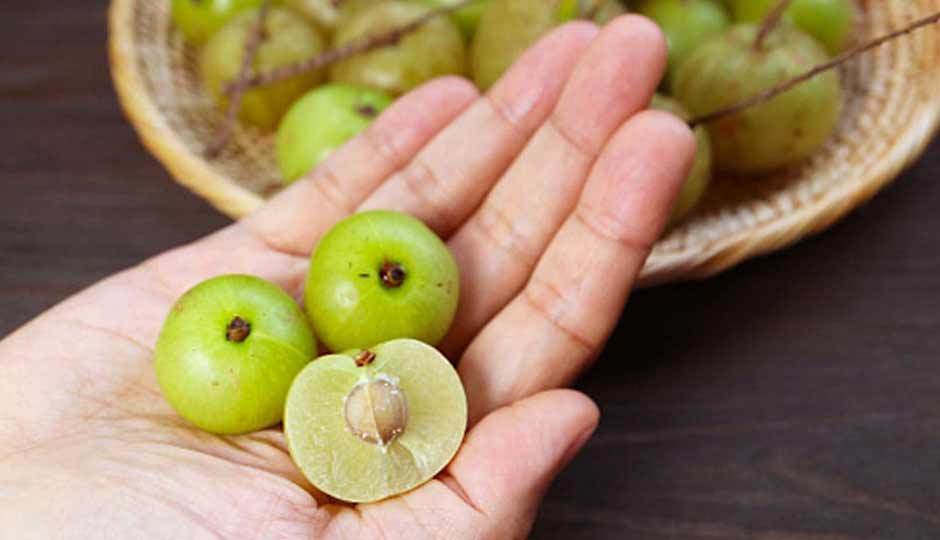
Amla, also known as Indian gooseberry, is one of the most nutritious fruits widely used in traditional Indian diets and Ayurvedic practices. Scientifically known as Phyllanthus emblica (also called Emblica officinalis), this small, greenish-yellow fruit is famous for its tangy taste and impressive nutritional profile. It contains vitamin C, antioxidants, dietary fibre, and several beneficial plant compounds that support overall health and well-being.
From strengthening the body's natural defences to supporting digestion, heart health, and healthy blood sugar levels, amla offers several potential health benefits when included in a balanced diet. It can be consumed fresh, as juice, in powdered form, or as a traditional preserve called amla murabba. However, the nutritional value may vary depending on the preparation method, particularly when sugar or other ingredients are added.
Let's explore 15 amazing health benefits of amla and learn how this traditional Indian fruit can contribute to a healthier lifestyle.
1. Boosts Immune System Function
One of the most recognised health benefits of amla is its vitamin C content. Vitamin C is an essential nutrient that supports various immune system functions and helps the body maintain its natural defences against infections.
Amla also contains antioxidant compounds that help protect cells from oxidative stress. Getting sufficient vitamin C through foods can support the normal functioning of immune cells and contribute to overall health.
How to consume it: Add fresh amla to your diet, blend it into chutneys, or consume a small serving of unsweetened amla juice. Remember that amla can support immunity, but it cannot guarantee protection against infections.
2. Supports Healthy Digestion
Amla may help support digestive health because it contains dietary fibre, particularly when the whole fruit is consumed. Fibre helps regulate bowel movements and supports a healthy digestive system.
Traditional diets also use amla to support digestive comfort. However, claims that amla can treat digestive disorders or cure acidity are not firmly established, and individual responses may vary.
How to consume it: Eat fresh amla with meals or add finely chopped amla to salads and chutneys. If its sourness causes discomfort, try a smaller portion and avoid consuming it on an empty stomach.
3. Provides Powerful Antioxidants
Amla contains vitamin C, polyphenols, tannins, and other plant compounds with antioxidant properties. Antioxidants help protect cells from damage caused by free radicals, which are unstable molecules produced during normal metabolism and exposure to environmental stressors.
Oxidative stress is associated with ageing and several chronic health conditions. Including antioxidant-rich fruits such as amla in a balanced diet may help support the body's natural protective mechanisms.
How to consume it: Fresh amla, unsweetened amla juice, and amla powder can all be dietary options. Processing and storage may affect their vitamin C content.
4. Promotes Heart Health
Amla may contribute to better cardiovascular health when consumed as part of a healthy diet. Some human studies of amla preparations have reported improvements in certain cardiovascular risk markers, including cholesterol and triglyceride levels.
Its antioxidant compounds may also help protect cells from oxidative stress. However, the available research varies in quality, and amla should not be considered a replacement for prescribed cholesterol or blood pressure medication.
How to consume it: Include amla alongside other heart-friendly foods, such as vegetables, whole grains, legumes, nuts, and seeds. Regular physical activity and limiting excess salt and saturated fat are also important for heart health.
5. May Help Maintain Healthy Blood Sugar Levels
Some research suggests that amla preparations may help improve blood glucose regulation and certain metabolic markers. Researchers are investigating how its plant compounds may influence glucose metabolism and insulin sensitivity.
However, the evidence is still developing, and the effects may depend on the preparation, dose, and an individual's health condition.
How to consume it: Choose fresh amla or unsweetened preparations instead of sugar-loaded amla products. People with diabetes who take glucose-lowering medicines should consult their healthcare professional before using concentrated amla supplements, as additional glucose lowering may affect their treatment.
6. Supports Healthy Skin
Amla provides vitamin C, which plays an important role in collagen formation. Collagen is a structural protein that helps maintain the strength and elasticity of the skin.
Adequate vitamin C intake also supports normal wound healing and helps protect cells against oxidative damage. Including amla in your diet may therefore contribute to healthy-looking skin as part of an overall nutritious eating pattern.
How to consume it: Add fresh amla to meals or enjoy a small serving of unsweetened juice. Eating amla is not a guaranteed treatment for acne, pigmentation, or wrinkles, and it cannot replace appropriate skincare or medical treatment.
7. Helps Support Healthy Hair
Amla has a long history of use in traditional Indian hair care. It is commonly found in hair oils, powders, shampoos, and other preparations.
Nutritionally, amla provides vitamin C and antioxidant compounds that contribute to overall health. However, there is limited strong clinical evidence that eating amla directly prevents hair loss or increases hair growth in people who do not have a nutritional deficiency.
How to consume it: Include amla as part of a balanced diet containing sufficient protein, iron, zinc, and other essential nutrients. Amla-based hair products may be used according to their directions, but discontinue them if they irritate your scalp.
8. May Help Reduce Inflammation
Amla contains several plant compounds that are being studied for their potential anti-inflammatory effects. Chronic inflammation is associated with various health conditions, making an overall anti-inflammatory dietary pattern beneficial for long-term well-being.
Early research suggests that amla extracts may influence certain inflammatory pathways. Nevertheless, more high-quality human studies are needed to determine the extent of these effects in everyday dietary use.
How to consume it: Enjoy amla alongside other plant foods, including leafy greens, colourful vegetables, berries, nuts, and legumes. Amla should not replace prescribed treatment for inflammatory diseases.
9. Supports Liver Health
The liver performs essential functions, including processing nutrients, metabolising substances, and helping remove waste products from the body. Amla contains antioxidant compounds that researchers are investigating for their potential protective effects on liver cells.
Some early studies suggest benefits from particular amla extracts, but much of the evidence comes from laboratory or animal research. It is not yet established that consuming amla can prevent or reverse liver disease in humans.
How to consume it: Include moderate amounts of fresh amla as part of a balanced diet. Avoid relying on concentrated herbal products to treat liver problems, and consult a healthcare professional if you have an existing liver condition.
10. May Support Weight Management
Amla can be a useful addition to a weight-conscious diet because the whole fruit provides nutrients and dietary fibre without necessarily adding many calories in a modest serving.
Fibre can help support fullness, while choosing whole fruit instead of sugary snacks may help improve overall dietary quality. However, amla does not directly burn body fat, and there is insufficient evidence to establish it as a standalone weight-loss remedy.
How to consume it: Eat fresh amla as part of a balanced meal plan. Choose unsweetened preparations and be mindful of added sugar in amla murabba, candies, and packaged juices.
11. Promotes Healthy Ageing
Healthy ageing depends on several factors, including nutrition, exercise, sleep, and the management of chronic health conditions. Amla's vitamin C and other antioxidant compounds contribute to the body's normal cellular protection mechanisms.
Vitamin C also supports collagen production and helps maintain normal connective tissue. These functions are important throughout life, although there is no conclusive evidence that eating amla slows biological ageing or extends lifespan.
How to consume it: Combine amla with a varied diet rich in fruits, vegetables, whole grains, protein sources, and healthy fats to obtain a broad range of nutrients.
12. Supports Iron Absorption
Vitamin C helps the body absorb non-haem iron, the form of iron found in plant-based foods such as lentils, beans, chickpeas, spinach, and fortified cereals.
Because amla is a source of vitamin C, eating it alongside these foods may help improve the absorption of plant-based iron. This can be particularly useful for people who rely heavily on vegetarian food sources for iron.
How to consume it: Add fresh amla or a suitable unsweetened amla preparation to meals containing lentils, beans, or leafy vegetables.
Keep in mind that amla alone cannot treat iron-deficiency anaemia. Persistent tiredness, weakness, or dizziness should be assessed by a healthcare professional.
13. May Support Brain Health
The brain is particularly sensitive to oxidative stress, and researchers are studying whether antioxidant-rich foods may help support neurological health.
Amla contains polyphenols and other plant compounds with antioxidant activity. Preliminary experimental research has explored their possible neuroprotective effects, but strong clinical evidence demonstrating that amla improves memory, concentration, or prevents neurodegenerative diseases in humans remains limited.
How to consume it: Include amla as part of a varied diet that also provides healthy fats, adequate protein, and essential vitamins and minerals. Regular exercise, sufficient sleep, and mental stimulation are also important for brain health.
14. Supports Oral and Gum Health
Vitamin C is essential for maintaining healthy connective tissues, including those found in the gums. Getting enough vitamin C supports normal gum health and helps prevent problems associated with vitamin C deficiency.
Amla's traditional use in oral care has also attracted research interest. However, evidence that eating amla independently prevents gum disease, tooth decay, or bad breath is limited.
How to consume it: Include amla in your diet while maintaining regular brushing, flossing, and dental check-ups. Since amla is acidic, avoid brushing your teeth immediately after eating it; rinse your mouth with water and allow some time before brushing to help protect tooth enamel.
15. Helps Maintain Overall Nutritional Health
Amla can contribute to a nutrient-rich diet by providing vitamin C, fibre, and beneficial plant compounds. These nutrients support several normal bodily functions, including immune function, collagen formation, antioxidant protection, and iron absorption.
Its versatility also makes it easy to include in traditional and modern meals. However, amla is not a complete food and cannot provide all the nutrients the body needs.
How to consume it: Eat amla alongside a variety of fruits, vegetables, whole grains, pulses, dairy or suitable alternatives, and protein-rich foods. A balanced diet is more beneficial than relying on any single superfood.