- Home›
- Healthy Living›
- 15 Amazing Health Benefits Of Sprouts You Should Know
15 Amazing Health Benefits Of Sprouts You Should Know
By: Priyanka Maheshwari Sun, 29 Nov 2026 10:34:31
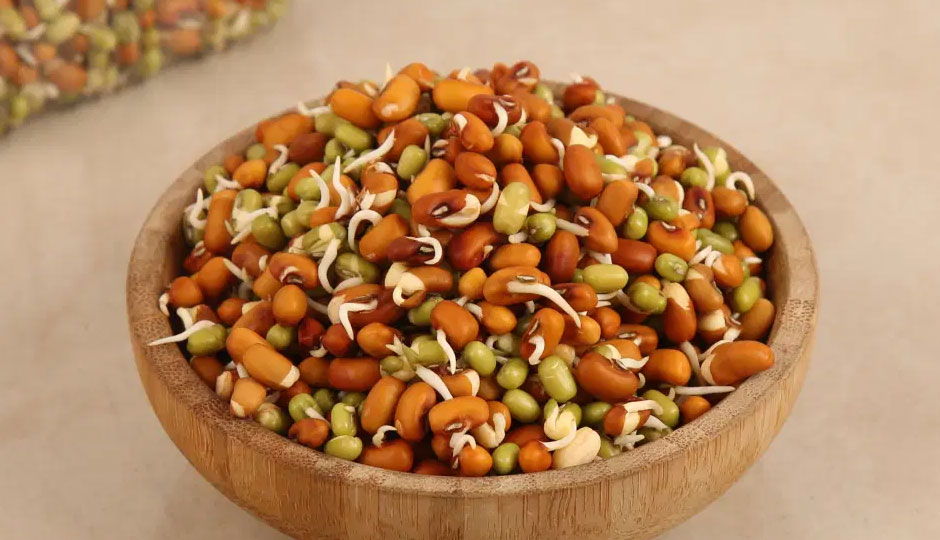
Sprouts are among the most nutritious and affordable foods that you can add to your daily diet. Packed with essential vitamins, minerals, antioxidants, fibre and plant-based protein, sprouts offer several health benefits while supporting overall well-being. They are prepared by germinating seeds, legumes and grains such as mung beans, chickpeas, lentils, alfalfa and broccoli seeds. During the sprouting process, these foods undergo natural changes that can improve the availability of certain nutrients and make some components easier to digest.
Whether added to salads, sandwiches, soups or eaten as a healthy snack, sprouts are an excellent way to increase your daily intake of plant-based nutrition. They are particularly popular among people who want to maintain a healthy weight, improve digestion and follow a balanced diet.
Different varieties of sprouts offer different nutritional advantages. For instance, moong sprouts are rich in plant-based protein and fibre, while broccoli sprouts contain beneficial plant compounds such as sulforaphane precursors. Including a variety of sprouts in your meals can help provide a broader range of nutrients.
Here are 15 amazing health benefits of sprouts that make them a valuable addition to your everyday diet.
1. Rich Source of Essential Nutrients
One of the biggest benefits of sprouts is their impressive nutritional profile. They contain several essential nutrients, including vitamins, minerals, antioxidants and dietary fibre.
Depending on the variety, sprouts can provide vitamin C, vitamin K, folate, iron, magnesium, potassium and B vitamins. The germination process can also increase the availability of certain nutrients and reduce some naturally occurring antinutritional compounds.
Adding sprouts to your meals is an easy way to improve the nutritional quality of your diet without consuming too many calories.
2. Supports Healthy Digestion
Sprouts are a good source of dietary fibre, which plays an important role in maintaining a healthy digestive system. Fibre adds bulk to stools, supports regular bowel movements and helps prevent constipation.
The germination process also activates enzymes that break down some stored nutrients in seeds and legumes. This may make certain sprouts easier to digest than their unsprouted counterparts.
Regularly including properly prepared sprouts in your diet can support gut health and promote digestive regularity. However, introduce them gradually if you are not accustomed to eating high-fibre foods.
3. Helps Support Weight Management
If you are trying to maintain a healthy weight, sprouts can be a useful addition to your diet. Many varieties are relatively low in calories while providing fibre, water and plant-based protein.
Fibre and protein contribute to feelings of fullness, which may help control hunger and reduce unnecessary snacking between meals.
You can include sprouts in vegetable salads, soups, sandwiches and homemade snacks. They provide volume and nutrition without requiring calorie-dense ingredients.
For better results, combine sprouts with other nutritious foods and maintain a balanced diet along with regular physical activity.
4. Provides Plant-Based Protein
Sprouts are a valuable source of plant-based protein, particularly varieties made from moong beans, chickpeas, lentils and other legumes.
Protein is essential for building and repairing body tissues, maintaining muscles, producing enzymes and supporting several important bodily functions.
People following vegetarian or vegan diets can include sprouts as one of several plant-based protein sources. Combining them with foods such as whole grains, nuts, seeds and dairy products (if consumed) can help create a varied and balanced protein intake.
5. Supports Heart Health
Including sprouts in a balanced diet may help support cardiovascular health. Their fibre content can contribute to healthy cholesterol levels, particularly when sprouts replace foods high in saturated fat.
Certain sprouts also contain potassium and magnesium, minerals involved in maintaining normal blood pressure and supporting healthy muscle function.
Additionally, plant antioxidants help protect cells against oxidative stress. These nutrients work together with an overall heart-friendly eating pattern that includes vegetables, fruits, whole grains and healthy fats.
Sprouts alone cannot prevent heart disease, but they can be part of a heart-conscious diet.
6. Helps Maintain Healthy Blood Sugar Levels
Sprouts, particularly those made from legumes, contain fibre and protein that can help slow digestion and influence how quickly carbohydrates are absorbed.
This may help support better blood sugar management when sprouts are included as part of balanced meals.
Replacing refined carbohydrate snacks with a portion of unsweetened sprout salad can also improve the overall nutritional quality of your diet.
People with diabetes can consider including sprouts in appropriate portions, but they should monitor their blood glucose response and follow their healthcare professional's dietary recommendations.
7. Strengthens Immune System Function
Sprouts contain several nutrients that contribute to normal immune system functioning. Depending on the variety, they may provide vitamin C, folate, zinc and other beneficial plant compounds.
Vitamin C helps support the normal functioning of immune cells and protects cells from oxidative damage. Folate is important for cell division and the formation of new cells.
Some sprouts also contain antioxidants that help protect the body against oxidative stress.
Eating a variety of sprouts alongside fruits, vegetables, nuts and other nutrient-rich foods can help support your body's natural defence mechanisms.
8. Provides Antioxidant Protection
Another important health benefit of sprouts is their antioxidant content. Antioxidants help protect cells from damage caused by unstable molecules known as free radicals.
Different varieties contain different antioxidant compounds. Broccoli sprouts, for example, are known for glucoraphanin, a compound that can be converted into sulforaphane. Other sprouts contain vitamin C, carotenoids and various polyphenols.
These compounds contribute to the body's natural antioxidant defence systems.
Including antioxidant-rich foods such as sprouts, berries, citrus fruits and green vegetables in your diet can help support overall cellular health.
9. Supports Healthy Skin
Sprouts can contribute to healthier-looking skin by providing nutrients involved in normal skin maintenance and repair.
Vitamin C, present in some sprouted varieties, is necessary for collagen production. Collagen is a structural protein that helps maintain skin strength and elasticity.
Antioxidants also help protect skin cells against oxidative stress caused by environmental factors.
Additionally, their water content and overall nutritional value can complement a healthy diet that supports skin hydration and nourishment.
For better skin health, combine sprouts with adequate water intake, fruits, vegetables and healthy fats.
10. Helps Improve Iron Intake
Certain varieties of sprouts, especially moong, chickpea and lentil sprouts, provide plant-based iron.
Iron is an essential mineral required for haemoglobin production. Haemoglobin helps red blood cells transport oxygen throughout the body.
Germination can reduce certain compounds, such as phytates, that interfere with mineral absorption. This may improve the bioavailability of iron in some sprouted legumes.
You can improve the absorption of plant-based iron by eating sprouts with vitamin C-rich foods such as lemon, tomatoes, oranges and capsicum.
However, sprouts alone may not provide enough iron to correct an iron deficiency.
11. Supports Bone Health
Sprouts can contribute to bone health by supplying minerals and vitamins involved in maintaining strong bones.
Depending on the variety, they may contain calcium, magnesium, phosphorus and vitamin K. These nutrients play different roles in bone structure, mineralisation and normal bone metabolism.
For example, vitamin K contributes to normal bone maintenance, while magnesium is involved in bone formation.
Including sprouts as part of a balanced diet that also provides adequate calcium, vitamin D and protein can help support long-term bone health.
12. Promotes Healthy Gut Bacteria
A healthy gut microbiome is important for digestion, nutrient absorption and immune function.
Sprouts contain dietary fibre and other plant compounds that can support a healthy digestive environment. Certain fibres can be fermented by beneficial gut bacteria, producing short-chain fatty acids that contribute to intestinal health.
Eating a diverse range of plant-based foods, including sprouts, legumes, vegetables and whole grains, can help support a varied gut microbiome.
However, the specific effects depend on the type of sprouts and an individual's digestive health.
13. Supports Healthy Ageing
Sprouts contain nutrients and antioxidant compounds that contribute to the body's natural protective mechanisms.
As the body ages, oxidative stress and changes in cellular function become increasingly important factors in overall health. Antioxidants such as vitamin C and various plant polyphenols help protect cells from oxidative damage.
Sprouts also provide protein, fibre and minerals that support normal bodily functions.
Although no single food can prevent ageing, including nutrient-rich sprouts in a balanced diet can contribute to healthy ageing and overall wellness.
14. May Support Better Nutrient Absorption
The sprouting process activates enzymes that help break down stored nutrients within seeds and legumes.
It can also reduce certain antinutritional compounds, including phytates, which may interfere with the absorption of minerals such as iron and zinc.
As a result, some sprouted foods may offer improved mineral bioavailability compared with their unsprouted forms.
The extent of these changes varies according to the seed, germination conditions and preparation method.
15. Helps Increase Daily Vegetable and Plant Food Intake
Sprouts are an easy and versatile way to include more plant-based foods in your daily meals.
They can be added to salads, vegetable sandwiches, wraps, soups, poha and homemade snacks. Their crunchy texture and mild flavour also make them suitable for different recipes.
Eating a variety of plant foods provides different vitamins, minerals, antioxidants and types of fibre.
By making sprouts a regular part of your meals, you can increase dietary variety and support a healthier eating pattern.