- Home›
- Healthy Living›
- 15 Effective Home Remedies To Maintain Healthy Cholesterol Levels Naturally
15 Effective Home Remedies To Maintain Healthy Cholesterol Levels Naturally
By: Priyanka Maheshwari Wed, 18 Nov 2026 10:18:09
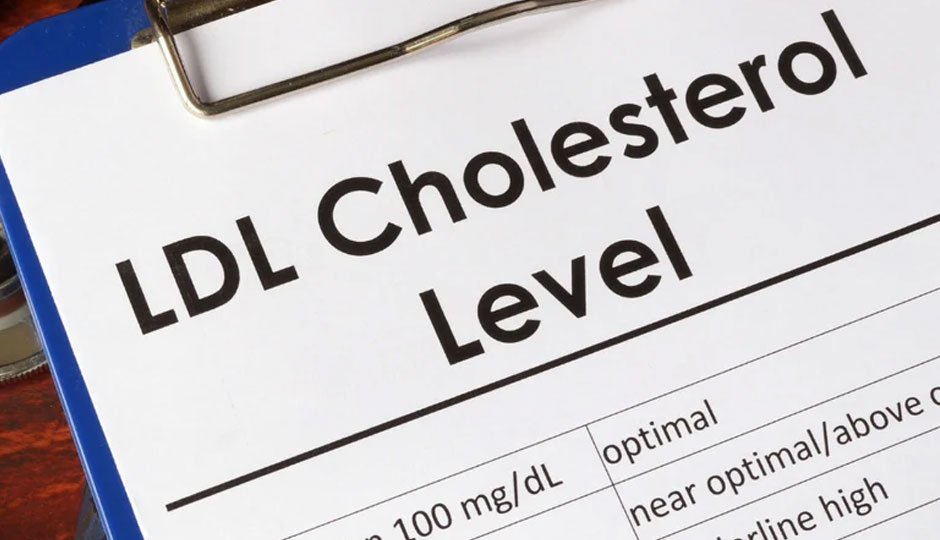
Cholesterol is a waxy, fat-like substance found in the blood that plays an important role in maintaining the body's overall health. It helps produce hormones, vitamin D and substances that support digestion. However, when cholesterol levels become too high, particularly low-density lipoprotein (LDL), commonly known as bad cholesterol, it can increase the risk of heart disease, stroke and other cardiovascular problems.
There are two main types of cholesterol: LDL (bad cholesterol) and HDL (good cholesterol). LDL can accumulate in the walls of arteries and contribute to plaque formation, while HDL helps carry excess cholesterol back to the liver for removal. Maintaining a healthy balance between these two types is essential for good heart health.
Unhealthy eating habits, lack of physical activity, smoking, excessive alcohol consumption, obesity and genetic factors can contribute to unhealthy cholesterol levels. Fortunately, certain dietary changes and lifestyle habits can help maintain healthy cholesterol levels naturally.
Although home remedies cannot replace prescribed cholesterol medication, incorporating heart-friendly foods, regular exercise and healthy daily habits into your routine can make a meaningful difference. Here are some effective home remedies to help maintain cholesterol levels and support overall cardiovascular health.
1. Start Your Day with Oatmeal
Oatmeal is one of the best breakfast choices for people looking to maintain healthy cholesterol levels. It contains beta-glucan, a type of soluble fibre that helps reduce the absorption of cholesterol in the bloodstream.
Soluble fibre forms a gel-like substance in the digestive tract, which binds with cholesterol-containing bile acids and helps eliminate them through waste. As a result, the liver uses more cholesterol to produce new bile acids, potentially lowering LDL cholesterol levels.
How to include oatmeal in your diet:
- Eat a bowl of plain oatmeal for breakfast.
- Add fresh apples, bananas, strawberries or blueberries.
- Mix in a tablespoon of chia seeds or ground flaxseeds.
- Avoid adding excessive sugar, cream or sweetened toppings.
Eating approximately 1–1.5 cups of cooked oatmeal regularly can be a helpful part of a cholesterol-friendly diet.
2. Include Garlic in Your Daily Diet
Garlic has traditionally been used in home remedies because of its antioxidant and anti-inflammatory properties. It contains beneficial sulphur compounds, including allicin, which have been investigated for their potential cardiovascular benefits.
Some studies suggest that garlic supplements may produce modest improvements in total and LDL cholesterol levels. However, the evidence is mixed, and garlic should not be considered a substitute for cholesterol-lowering treatment.
How to use garlic:
- Add freshly chopped garlic to vegetables, soups and dals.
- Include garlic in homemade chutneys and salad dressings.
- Use it regularly as part of a balanced diet.
There is no established garlic dose that reliably lowers cholesterol. Avoid consuming large quantities if you experience acidity or digestive discomfort. People taking blood-thinning medication should consult their doctor before using concentrated garlic supplements.
3. Drink Green Tea
Green tea contains antioxidants called catechins, particularly epigallocatechin gallate (EGCG). These plant compounds may support heart health by helping reduce oxidative stress and inflammation.
Research suggests that regularly consuming green tea may produce a small reduction in total and LDL cholesterol in some people. However, its effects vary, and it should be viewed as a supportive dietary habit rather than a treatment.
How to prepare green tea:
1. Heat one cup of water.
2. Add one green tea bag or approximately one teaspoon of green tea leaves.
3. Allow it to steep for 2–3 minutes.
4. Strain and enjoy without adding sugar.
You can drink one or two cups of unsweetened green tea daily if it suits you. Avoid excessive consumption because green tea contains caffeine. Concentrated green tea extracts may also cause liver-related side effects.
4. Eat a Handful of Almonds and Walnuts
Nuts are excellent sources of heart-friendly fats, plant sterols, fibre and antioxidants. Almonds and walnuts, in particular, can help support healthy cholesterol levels when consumed as part of a balanced diet.
Almonds contain monounsaturated fats, while walnuts provide alpha-linolenic acid (ALA), a plant-based omega-3 fatty acid. These nutrients can help improve the overall quality of dietary fat intake.
How to include nuts in your diet:
- Eat approximately 20–30 grams of unsalted nuts daily.
- Include a few walnuts or a small handful of almonds.
- Add chopped nuts to oatmeal, salads and homemade smoothies.
- Choose plain or lightly roasted varieties instead of heavily salted or sugar-coated nuts.
Remember that nuts are calorie-dense, so moderate portions are important, particularly if you are trying to manage your weight.
5. Include Flaxseeds in Your Diet
Flaxseeds are rich in soluble fibre, plant-based omega-3 fatty acids and lignans. These nutrients make them a useful addition to a heart-healthy diet.
The soluble fibre in flaxseeds helps reduce cholesterol absorption, while their healthy fats support overall cardiovascular health. Some research suggests that regular consumption of flaxseeds may help reduce total and LDL cholesterol.
How to consume flaxseeds:
- Roast flaxseeds lightly and grind them.
- Add one tablespoon of ground flaxseeds to oatmeal or porridge.
- Mix them into homemade atta for rotis.
- Sprinkle them over salads, yoghurt or smoothies.
Ground flaxseeds are generally easier to digest and use than whole seeds. Drink sufficient water when increasing your fibre intake.
6. Eat More Soluble Fibre-Rich Fruits
Fruits are an important part of a cholesterol-friendly diet because they provide dietary fibre, vitamins, minerals and antioxidants.
Certain fruits contain pectin, a type of soluble fibre that helps reduce cholesterol absorption. Apples, pears, oranges and guavas are particularly useful options.
Best fruits to include:
- Apples: Provide pectin and other beneficial plant compounds.
- Oranges: Contain soluble fibre and vitamin C.
- Pears: Provide dietary fibre that supports digestive health.
- Guavas: Offer fibre and antioxidants.
- Berries: Contain polyphenols that support cardiovascular health.
Eat whole fruits rather than drinking fruit juices because whole fruits retain more fibre and generally provide better satiety.
Aim to include a variety of seasonal fruits in your daily diet.
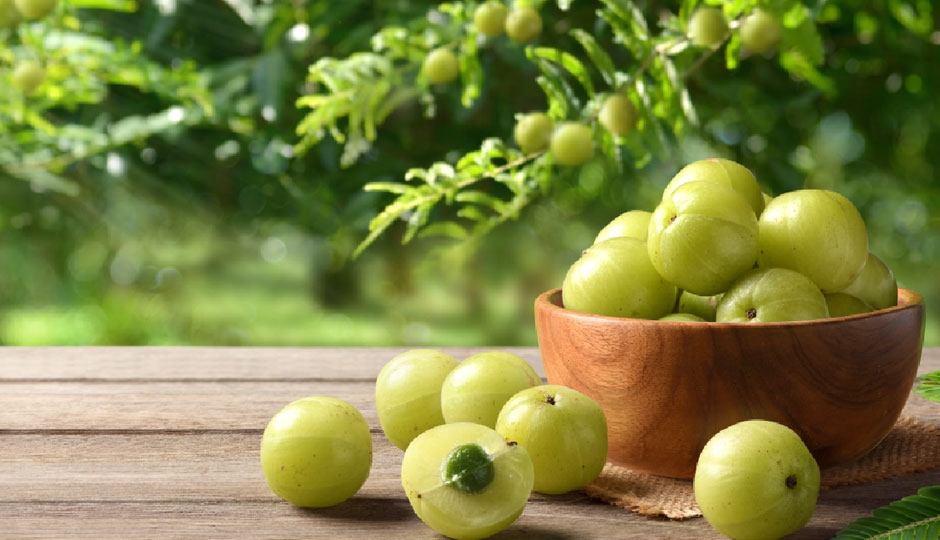
7. Drink Amla Juice or Include Fresh Amla
Amla, also known as Indian gooseberry, is widely used in traditional Indian diets because of its vitamin C content and antioxidant properties.
Its beneficial plant compounds may help protect cells against oxidative stress. Some small studies have also investigated amla's potential effects on cholesterol and other cardiovascular markers, although stronger research is needed.
How to include amla:
- Eat one fresh amla when available.
- Add grated amla to salads.
- Prepare fresh amla chutney without excessive salt.
- Mix a small amount of unsweetened amla juice with water.
Avoid commercially prepared amla drinks containing added sugar. Amla can be a nutritious addition to your diet, but it should not be relied upon as a cholesterol-lowering treatment.
8. Use Olive Oil Instead of Saturated Fats
The type of fat you consume can significantly influence your cholesterol levels. Replacing foods rich in saturated fats with sources of unsaturated fats is one of the most effective dietary changes for improving LDL cholesterol.
Olive oil contains monounsaturated fats and beneficial plant compounds. Using it instead of butter or other saturated-fat-rich fats can support better cholesterol management.
How to use olive oil:
- Use extra virgin olive oil in homemade salad dressings.
- Drizzle it over cooked vegetables.
- Use moderate quantities for sautéing.
- Replace butter-based dressings with olive oil-based alternatives.
You do not need to eliminate all traditional Indian cooking fats. The important thing is to reduce excess saturated fat and choose healthier unsaturated-fat sources more often.
9. Add Fenugreek Seeds to Your Diet
Fenugreek seeds, commonly known as methi dana, contain soluble fibre that may help reduce cholesterol absorption in the digestive system.
They have traditionally been used in Indian households to support digestion and metabolic health. Some clinical studies suggest that fenugreek may help improve cholesterol levels, although the quality of evidence and effective doses vary.
How to consume fenugreek seeds:
1. Take a small quantity of fenugreek seeds.
2. Soak them in water overnight.
3. Consume the soaked seeds with breakfast if tolerated.
4. Alternatively, add fenugreek seeds to dals, vegetables and homemade dishes.
Do not consume large quantities in an attempt to lower cholesterol quickly. Fenugreek may lower blood sugar and can interact with certain medications.
10. Eat Fatty Fish Rich in Omega-3 Fatty Acids
Fatty fish such as salmon, sardines, mackerel and trout contain omega-3 fatty acids that support cardiovascular health.
Omega-3 fats are particularly beneficial for reducing triglyceride levels. They may also support healthy blood vessel function and help reduce inflammation.
How to include fatty fish:
- Eat fish approximately twice a week if you consume non-vegetarian food.
- Choose grilled, baked or steamed fish.
- Avoid deep-fried fish and preparations containing excessive butter.
- Include sardines and other locally available oily fish.
For vegetarians, flaxseeds, chia seeds and walnuts provide plant-based ALA omega-3 fatty acids. However, ALA is not equivalent to the EPA and DHA found in fish.
11. Eat More Beans, Lentils and Chickpeas
Beans, chickpeas, kidney beans, lentils and other pulses are excellent sources of soluble fibre and plant protein.
Their fibre content helps reduce cholesterol absorption, while their protein makes them a healthy alternative to some high-saturated-fat animal foods.
How to include legumes in your diet:
- Eat moong dal, masoor dal or arhar dal regularly.
- Include boiled chickpeas in salads.
- Prepare rajma and chole using moderate amounts of oil.
- Replace some meat-based meals with lentil or bean-based dishes.
Including pulses in your meals regularly can help improve dietary fibre intake and support healthy cholesterol levels.
12. Add Chia Seeds to Your Diet
Chia seeds are rich in dietary fibre, plant-based omega-3 fatty acids and antioxidants. Their soluble fibre absorbs water and forms a gel-like substance, which may help support healthy cholesterol levels.
Regularly including chia seeds in a balanced diet can also help improve fullness and support weight management.
How to consume chia seeds:
- Soak one tablespoon of chia seeds in water.
- Allow them to swell for approximately 20–30 minutes.
- Add them to yoghurt, oatmeal or smoothies.
- Include them in homemade puddings.
Start with a small quantity and increase gradually to avoid bloating or digestive discomfort.
13. Include Vegetables in Every Meal
Vegetables provide fibre, antioxidants, vitamins and minerals that support overall cardiovascular health. Eating a variety of vegetables can also help maintain a healthy weight and improve metabolic health.
Broccoli, spinach, carrots, okra, bottle gourd and leafy greens are particularly useful additions to a balanced diet.
Best ways to consume vegetables:
- Include a bowl of seasonal vegetables with lunch and dinner.
- Eat fresh salads with cucumber, carrots and tomatoes.
- Prepare vegetable soups without excessive cream.
- Add leafy greens to dals and homemade curries.
- Prefer steaming, boiling or lightly sautéing vegetables.
A diet rich in vegetables can help improve overall heart health, especially when it replaces highly processed and high-fat foods.
14. Drink Sufficient Water and Avoid Sugary Beverages
Drinking sufficient water is essential for normal digestion, circulation and overall body function. Although water does not directly lower LDL cholesterol, replacing sugary beverages with water can support healthier metabolic habits.
Excessive consumption of sugary drinks, packaged juices and sweetened beverages can contribute to weight gain and elevated triglyceride levels.
Healthy hydration habits:
- Drink water regularly throughout the day.
- Replace soft drinks with plain water.
- Choose unsweetened lemon water.
- Limit packaged fruit juices and sweetened beverages.
- Avoid adding unnecessary sugar to tea and coffee.
Your daily water requirements depend on your activity level, weather and health conditions.
15. Exercise Regularly to Maintain Healthy Cholesterol
Regular physical activity is one of the most effective natural ways to support healthy cholesterol levels. Exercise can help increase HDL cholesterol, reduce triglycerides, improve insulin sensitivity and support weight management.
You do not necessarily need an expensive gym membership to stay active. Simple daily activities can make a significant difference.
Best exercises for cholesterol management:
- Brisk walking: Walk for 30 minutes on most days.
- Cycling: Helps improve cardiovascular fitness.
- Swimming: Provides a full-body workout.
- Yoga: Supports flexibility, stress management and general well-being.
- Strength training: Helps maintain muscle mass and metabolic health.