
- Home›
- Healthy Living›
- 15 Home Remedies To Treat Body Pain Post Exercise
15 Home Remedies To Treat Body Pain Post Exercise
By: Priyanka Maheshwari Wed, 08 Jul 2026 10:28:56
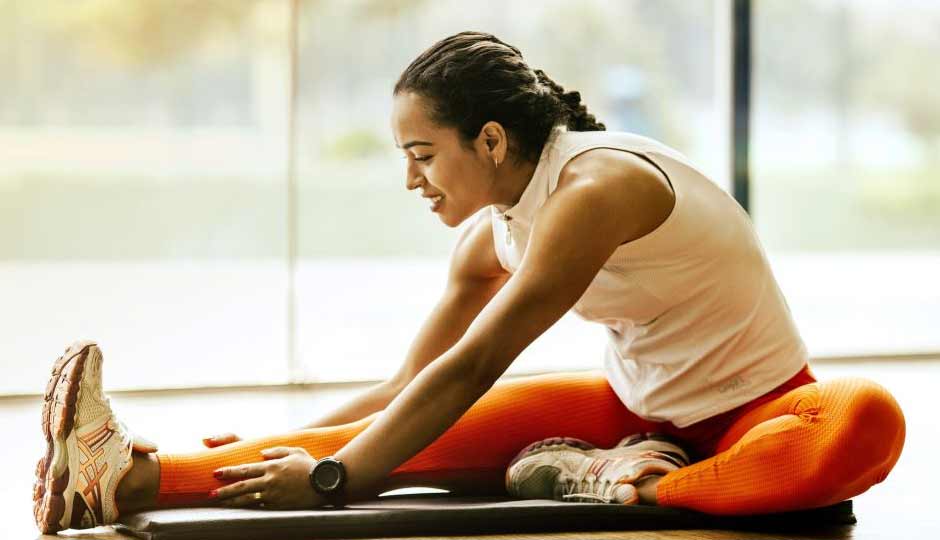
Body pain after exercise is a common experience, especially if you have started a new workout routine, increased the intensity of your training, or challenged your muscles with unfamiliar movements. This discomfort, known as delayed onset muscle soreness (DOMS), typically begins 12 to 24 hours after exercise and may last for up to 72 hours. It occurs due to tiny microscopic tears in muscle fibers, which are a natural part of the muscle repair and strengthening process.
Although mild post-workout soreness is a sign that your muscles are adapting and becoming stronger, it can make everyday activities like walking, climbing stairs, or lifting objects uncomfortable. Factors such as dehydration, inadequate warm-up, poor recovery, or overtraining can also contribute to increased muscle pain and stiffness after exercise.
The good news is that most post-exercise body pain can be managed at home with simple remedies like proper hydration, gentle stretching, adequate rest, balanced nutrition, and heat or cold therapy. These natural recovery methods help reduce inflammation, improve blood circulation, and promote faster muscle healing. By understanding why body pain occurs after exercise and following the right recovery practices, you can stay active, minimize discomfort, and continue progressing toward your fitness goals safely.
Exercise-related body pain, often called delayed onset muscle soreness (DOMS), usually appears 12–24 hours after a workout and can last for 2–3 days. While mild soreness is a sign that your muscles are adapting to increased physical activity, proper recovery is essential to reduce discomfort and prevent injury. Fortunately, several simple home remedies can help ease post-workout body pain naturally.
# Apply a Warm Compress
Heat therapy improves blood circulation and relaxes tight muscles. Use a heating pad, warm towel, or take a warm shower for 15–20 minutes to relieve stiffness.
# Try a Cold Compress
If you experience swelling or inflammation after intense exercise, apply an ice pack wrapped in a cloth for 10–15 minutes. This helps reduce inflammation and numbs pain.
# Stay Hydrated
Dehydration can worsen muscle cramps and soreness. Drink plenty of water throughout the day, and replenish electrolytes if you've had an intense or prolonged workout.
# Gentle Stretching
Light stretching helps improve flexibility and reduces muscle tightness. Focus on the muscles you exercised, but avoid overstretching sore areas.
# Get Enough Protein
Protein supports muscle repair and recovery. Include protein-rich foods like eggs, paneer, Greek yogurt, lentils, tofu, chicken, fish, or protein shakes after your workout.
# Eat Anti-Inflammatory Foods
Foods rich in antioxidants and healthy fats can reduce muscle inflammation. Include:
Turmeric
Ginger
Berries
Spinach
Walnuts
Fatty fish
Olive oil
# Massage the Sore Muscles
A gentle massage improves blood circulation, reduces muscle tension, and speeds recovery. You can also use foam rollers for self-myofascial release.
# Take an Epsom Salt Bath
Soaking in warm water with Epsom salt for 15–20 minutes may help relax muscles and reduce soreness, although scientific evidence is mixed.
# Keep Moving
Complete rest isn't always the best solution. Light activities like walking, cycling, or yoga increase blood flow and help muscles recover faster.
# Prioritize Sleep
Most muscle repair occurs during deep sleep. Aim for 7–9 hours of quality sleep every night for optimal recovery.
# Drink Tart Cherry Juice
Tart cherry juice contains antioxidants that may help reduce muscle soreness and inflammation after strenuous exercise.
# Include Magnesium-Rich Foods
Magnesium supports muscle function and may reduce cramps. Good sources include:
Pumpkin seeds
Almonds
Spinach
Bananas
Dark chocolate
# Avoid Overtraining
Give your muscles at least 48 hours to recover before working the same muscle group again. Alternate between strength training and lighter workouts.
# Wear Compression Clothing
Compression sleeves or socks may improve circulation and reduce post-workout muscle soreness in some people.
# Practice Deep Breathing and Relaxation
Stress can increase muscle tension. Deep breathing, meditation, or gentle yoga may help relax sore muscles and improve recovery.