- Home›
- Healthy Living›
- 5 Things That Happen To Your Body When You Give Up Dairy
5 Things That Happen To Your Body When You Give Up Dairy
By: Varsha Singh Tue, 29 Jul 2025 10:03:56

Eliminating dairy from your diet can have several benefits. If you maintain the rest of your eating habits, cutting out dairy may still lead to noticeable weight loss.
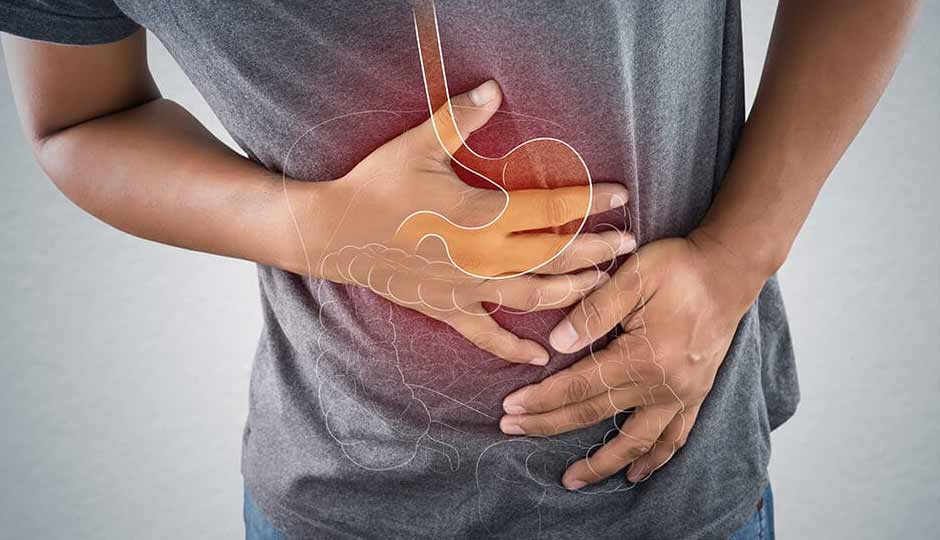
Dairy products contain natural sugars and calories, so removing them from your meals can accelerate your weight loss journey. Many people report feeling less bloated after giving up dairy. Even if you're not lactose intolerant, dairy can still cause gas, bloating, and abdominal discomfort.
If you’re not ready to completely eliminate dairy, consider reducing your intake. While dairy isn't inherently bad for digestion, some people are sensitive to it. They may struggle to break down casein, a protein found in dairy, which can lead to digestive issues like bloating, gas, and constipation.
In this article, we’ll explore the changes you might experience when you give up dairy. Read on to find out what to expect.

# You May Lose Weight
There’s little evidence to support that milk aids in weight loss. In fact, increased consumption of dairy has been linked to weight gain. Cutting it out could help you shed extra pounds.
# Your Digestion Might Improve
Lactose intolerance is a common condition where the body can't properly digest lactose. If you’re affected, eliminating dairy can significantly ease digestive issues.

# Your Skin Could Clear Up
One surprising benefit of quitting dairy is clearer skin. Many people notice a reduction in acne and breakouts after removing dairy from their diet.
# You May Lower Your Risk of Diabetes
Many dairy products, especially low-fat or processed versions, can increase your risk of type 2 diabetes. Cutting back on these can help reduce that risk.

# You Could Decrease Your Cancer Risk
Research suggests that consuming just one glass of milk a day may double the risk of ovarian cancer. Additionally, men who consume more than two servings of dairy daily have a 34% higher risk of developing prostate cancer.