- Home›
- Healthy Living›
- 7 Surprising Facts About Kidney Stones You Should Know
7 Surprising Facts About Kidney Stones You Should Know
By: Priyanka Maheshwari Fri, 21 Nov 2025 10:21:28
If you’re someone who likes staying informed about the conditions that can affect your vital organs, you’ll find these surprising facts about kidney stones particularly useful.
We all know that our kidneys are among the most essential organs in the body—without them, normal functioning becomes impossible. These fist-sized organs sit at the back of the abdomen and work tirelessly to filter the blood. Along with cleansing the blood, they help remove waste, regulate fluid balance, and support several other critical bodily processes. Throughout the day, your blood passes through the kidneys multiple times for filtration, making their proper functioning essential for overall health.
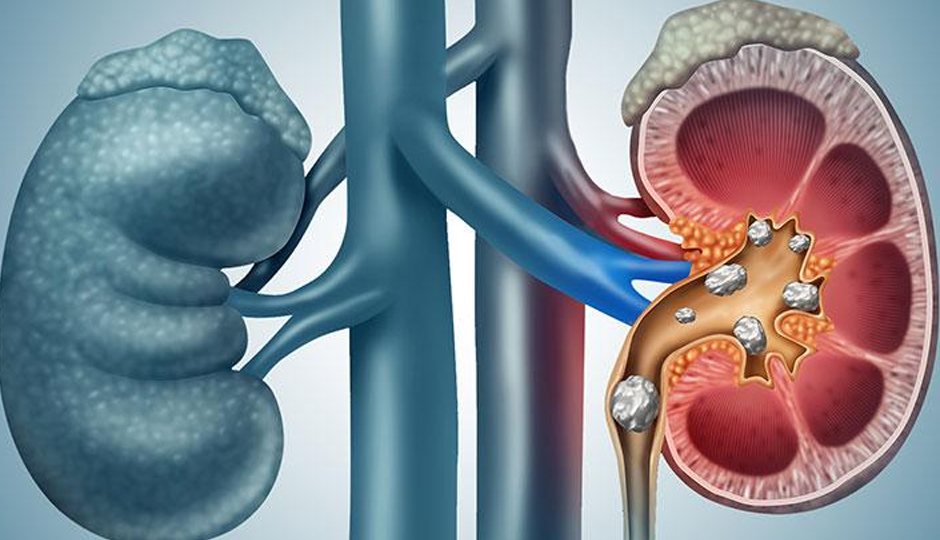
Kidney stones form when toxins, waste materials, and mineral deposits accumulate and harden inside the kidneys. Common signs include painful urination, abdominal or back pain, bladder discomfort, nausea, fever, and chills.
Here are some surprising facts about kidney stones that you may not have known:
Fact #1
Kidney stones come in several types, including calcium stones, uric acid stones, struvite stones, and cystine stones. Each develops due to different kidney-related issues.
Fact #2
The pain from kidney stones isn’t caused by their sharp edges scratching the kidney walls. Instead, the discomfort occurs when a stone gets lodged in the urinary tract and the body attempts to push it out.
Fact #3
Research suggests that consuming too many oxalate-rich foods—such as peanut butter, chocolate, spinach, coffee, and beer—can increase your risk of developing kidney stones.
Fact #4
Climate may play a role in stone formation. People living in hotter regions are more prone to kidney stones due to a higher risk of dehydration.
Fact #5
Interestingly, one study found that sexual intercourse might help pass kidney stones. This is because the body releases a small amount of nitric oxide during sex, which can dilate the urinary tract and facilitate stone passage.
Fact #6
Calcium supplements may also contribute to stone formation. It’s generally safer to get calcium from natural food sources like milk rather than pills.
Fact #7
Experts believe that regularly drinking lemon juice may help cleanse the kidneys and reduce the risk of stone formation.