
- Home›
- Healthy Living›
- 7 Ways To Treat Urinary Bladder Cancer
7 Ways To Treat Urinary Bladder Cancer
By: Priyanka Maheshwari Sat, 06 Jun 2026 12:19:40
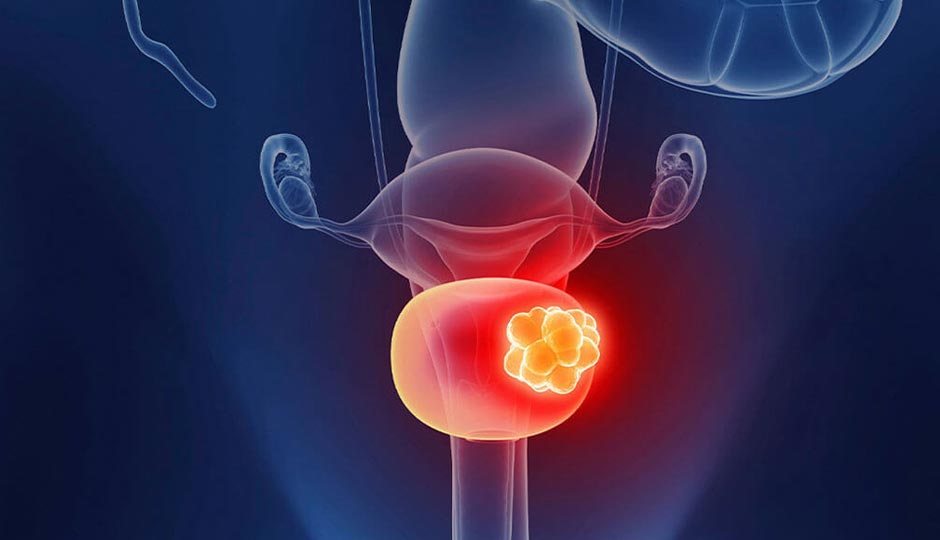
Cancer is a serious disease that often develops gradually and can have a profound impact on a person's life. One such type is urinary bladder cancer, which is frequently diagnosed only after it has progressed significantly.
When bladder cancer becomes invasive, it can grow through the bladder wall and spread to nearby organs. In men, it may affect the prostate gland, while in women, it can spread to the vaginal wall, uterus, ovaries, and other parts of the reproductive system. It may also spread to the bowel and lymph nodes. Urinary bladder cancer is more commonly diagnosed in men, but in women, it often tends to spread more rapidly.
Approximately 80% of bladder cancers are classified as superficial, meaning they are limited to the inner lining of the bladder. Cancers that penetrate the bladder wall are known as deep bladder cancers. If the disease spreads to the lymph nodes or distant organs such as the lungs or liver, it is referred to as metastatic bladder cancer.
Although the exact cause of bladder cancer is not always clear, several risk factors have been strongly linked to its development. Smoking is one of the leading causes, while exposure to certain industrial chemicals, radiation therapy, and asbestos has also been associated with an increased risk of the disease.
The grade and stage of the cancer play a crucial role in determining the most appropriate treatment plan. Surgery is often the primary treatment for urinary bladder cancer. Chemotherapy may be administered before or after surgery to help destroy cancer cells and reduce the risk of recurrence.
Radiation therapy is another treatment option. It uses high-energy X-rays or radiation to target and kill cancer cells and is sometimes combined with surgery and chemotherapy for more effective treatment.
Immunotherapy has also emerged as an important treatment approach for bladder cancer. This method works by enhancing the body's natural immune defenses, enabling them to recognize and fight cancer cells more effectively.
# Surgery
Surgery is one of the primary treatments for bladder cancer. The type of surgery depends on how far the cancer has spread. In early-stage cases, doctors may remove only the tumor while preserving the bladder. For advanced cancers, partial or complete removal of the bladder may be necessary.
# Chemotherapy
Chemotherapy uses powerful drugs to destroy cancer cells. It may be given before surgery to shrink tumors or after surgery to eliminate any remaining cancer cells. In some cases, chemotherapy is also used as the main treatment when surgery is not an option.
# Radiation Therapy
Radiation therapy uses high-energy X-rays or other forms of radiation to kill cancer cells. It may be used alone or in combination with chemotherapy and surgery. Radiation can help control cancer growth and reduce symptoms in certain patients.
# Immunotherapy
Immunotherapy boosts the body's immune system to help it recognize and attack cancer cells. It is particularly useful for some types of bladder cancer that have not responded well to conventional treatments or have returned after treatment.
# Targeted Therapy
Targeted therapy focuses on specific genes, proteins, or pathways that help cancer cells grow and survive. These treatments can be more precise than traditional chemotherapy and may cause fewer side effects.
# Intravesical Therapy
This treatment involves delivering medication directly into the bladder through a catheter. It is commonly used for early-stage bladder cancers and helps treat cancer cells while minimizing effects on the rest of the body.
# Combination Therapy
Doctors often use a combination of treatments, such as surgery, chemotherapy, radiation therapy, and immunotherapy, to achieve the best possible results. The treatment plan is tailored to each patient's condition and needs.


