- Home›
- Healthy Living›
- 8 Natural Ways To Ease Your Pain
8 Natural Ways To Ease Your Pain
By: Priyanka Maheshwari Fri, 04 Sep 2026 11:05:52

Pain is an uncomfortable and often distressing sensation that can affect far more than just physical health. It may influence a person’s emotional state, social interactions, energy levels, and overall quality of life. Pain can vary considerably in intensity, from a mild and temporary discomfort to severe or persistent pain, and every individual may experience and respond to it differently.
Common Causes of Pain
Muscle Knots – Muscle knots are areas of tight or contracted muscle that can cause localized discomfort or pain that may spread to other parts of the body. Without proper care, persistent muscle tension can sometimes make the discomfort worse.
Sensitization – Some people may have increased sensitivity to physical touch or other sensations. In such cases, even gentle pressure or ordinary physical contact can sometimes trigger or intensify feelings of pain.
Brain-Related Pain – Emotional factors such as prolonged stress, anxiety, and fear can influence the way the brain processes pain signals. These factors may sometimes make existing discomfort feel stronger or more difficult to manage.
Vitamin D Deficiency – Insufficient vitamin D levels may be associated with widespread, less obvious aches and discomfort. Some people may also experience symptoms such as muscle aches, bone discomfort, tiredness, and general weakness.
Muscle Tension – Everyday muscle tension can contribute to unexpected aches and discomfort. Tightness or cramps, particularly in areas such as the legs and feet, may develop after physical activity, prolonged sitting, or other forms of strain.
Poor Posture – Maintaining an awkward sitting or standing position for long periods can place unnecessary stress on muscles and joints. Over time, poor posture may contribute to stiffness, soreness, and recurring discomfort.
Side Effects of Medication – Certain medications can cause pain, muscle aches, or other forms of physical discomfort as potential side effects. If new or unexplained pain develops after starting a medicine, it is important to discuss it with a healthcare professional.
Chronic Inflammation – Long-lasting inflammation within the body can contribute to persistent or recurring pain. Depending on its underlying cause, chronic inflammation may affect different areas of the body and may be accompanied by other symptoms.
Effects of Pain on the Body
Persistent or intense pain can affect several aspects of physical and emotional well-being. Some possible effects include:
Increased blood pressure
Fatigue, tiredness, or weakness
Nausea
Reduced appetite
Disrupted or poor-quality sleep
Changes in mood
Hormonal disturbances
Difficulty carrying out everyday activities
Greater risk of experiencing anxiety or depression
Although pain can interfere with daily life, there are several approaches that may help manage discomfort depending on its underlying cause. In some situations, gentle lifestyle measures and natural approaches may provide additional relief alongside appropriate medical care.
If you are experiencing ongoing or recurring pain, identifying the underlying cause is important rather than simply masking the symptoms. For mild discomfort, the following natural remedies may help support relaxation, ease muscle tension, and provide temporary relief.

# Ginger
Ginger is known for its powerful anti-inflammatory properties. It helps alleviate nausea, arthritis, headaches, menstrual cramps, and muscle soreness. You can consume ginger in teas or incorporate it into vegetable dishes. For localized pain, applying a ginger compress to the affected area can also be beneficial.
# Turmeric
Turmeric contains curcumin, a natural compound that reduces the activity of two enzymes responsible for inflammation. Its anti-inflammatory effects improve blood circulation and help prevent blood clots. Turmeric is especially useful in relieving sprains, strains, bruises, and joint pain. It can be easily added to curries and other dishes.
# Apple Cider Vinegar
Apple cider vinegar acts as a natural pain reliever due to its alkaline effect on the body. It can soothe acidity and inflammation in the upper stomach. To use, add two tablespoons to a glass of water or use it as a condiment in meals.
# Peppermint
Peppermint is a natural analgesic that provides relief from toothaches, bloating, gas, joint pain, skin irritations, headaches, and sore muscles. It produces a cooling effect that helps reduce heat and inflammation in the affected areas.

# Clove Oil
Clove oil offers immediate pain relief, particularly for toothaches. For a sore throat, mix a few drops with warm water and gargle. It can also be massaged onto areas of muscle or joint pain to provide quick relief.
# Salt
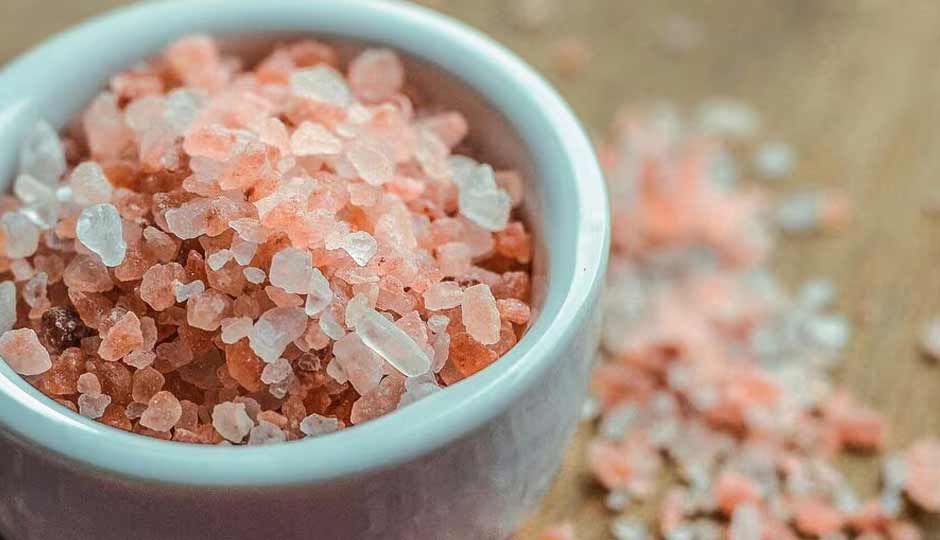
Salt is a natural antiseptic that aids in healing minor cuts and abrasions. For sore throats, gargling with salt water can ease pain and reduce inflammation.
# Basil
Basil has potent anti-inflammatory effects and is known to relieve pain. Its extracts are especially effective in reducing swelling in people with arthritis.

# Heating Pad
Applying heat promotes blood circulation, bringing oxygen and nutrients to the injured area while dulling pain signals. You can use a warm cloth or a homemade heating pad to treat sore muscles and joints naturally.