
- Home›
- Healthy Living›
- Ayurvedic Remedies To Help You Sleep Peacefully
Ayurvedic Remedies To Help You Sleep Peacefully
By: Priyanka Maheshwari Thu, 30 Apr 2026 12:41:04
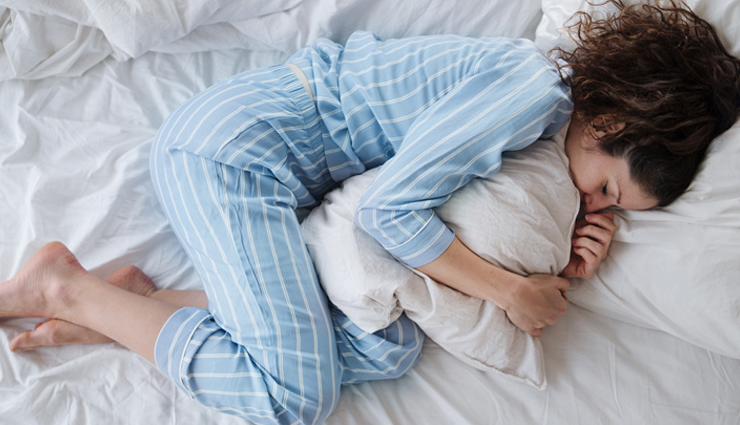
Getting enough quality sleep is essential for maintaining overall health and well-being. Sleep allows the body to repair itself, recharge energy levels, and restore vital functions so that we can perform effectively throughout the day. When sleep is inadequate or disrupted, it can negatively impact immunity, trigger mood imbalances, reduce concentration, and even increase the risk of long-term chronic health conditions.
In Ayurveda, the traditional Indian system of medicine, sleep is considered one of the key pillars of health. It provides a holistic framework for improving sleep quality by focusing on harmony between the mind, body, and spirit. Instead of relying solely on external solutions, Ayurveda encourages natural remedies, balanced routines, and mindful lifestyle practices to support deep and restorative sleep.
According to Ayurvedic principles, understanding one’s unique body constitution can play a major role in designing an effective sleep routine. By aligning daily habits with natural rhythms, it becomes easier to achieve consistent and peaceful rest. This personalized approach helps in addressing the root causes of sleep disturbances rather than just the symptoms.
In this article, we will explore various Ayurvedic techniques, remedies, and time-tested practices that can help enhance sleep quality. These methods are designed to promote not only better rest but also overall wellness—supporting mental clarity, physical strength, and emotional balance for a healthier and more harmonious life.

# Early supper
A big, late dinner strains your digestive system and keeps you from getting a decent night's sleep since it uses up more energy than your body can produce. According to Ayurveda, lunch should be the greatest meal of the day (when the pitta fire of digestion is highest), and you should eat a little meal close to twilight and save at least two hours before bed.
# Self-massage for better sleep
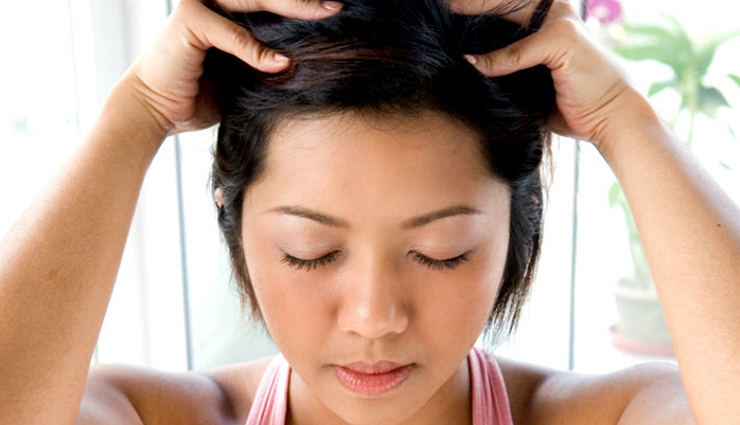
Applying warm ghee or sesame oil to your scalp and foot soles is known as abhyanga, which is another term for regular self-massage. It is imperative to refrain from applying undue pressure on the head in order to prevent overstimulation.
After a gentle full-body self-massage, a warm bath can aid those with mild sleep issues. Postmenopausal women with aberrant sleep patterns have shown a considerable improvement in their good sleep cycles after receiving a full-body oil massage at night.
# Follow Ayurveda wind-down rituals (Shamana Karma)
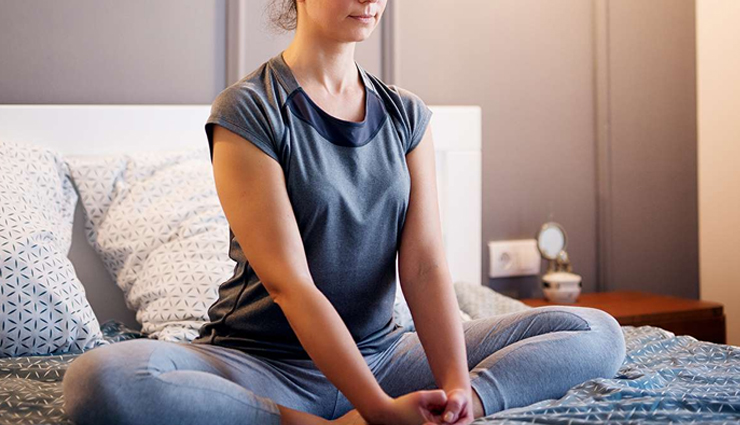
Instead of jumping into bed, create a relaxing sleep preparation regimen based on Ayurveda's "Shamana Karma," which consists of gentle yoga poses, mindfulness exercises, and focused breathing exercises (pranayama) to calm your mind and nervous system.

# Reducing alcohol consumption
You might not be benefiting from alcohol's pitta-provoking, acute fire if you wake up in the middle of the night with sweats, hot flashes, or uncomfortable feet. Alcohol often helps people go asleep at first, but it also promotes agitation and a fiery state of mind and body because it overstimulates the liver, an organ related to pitta. Observe how much better your nighttime sleep is when you limit or abstain from drinking.
# Practice gratitude
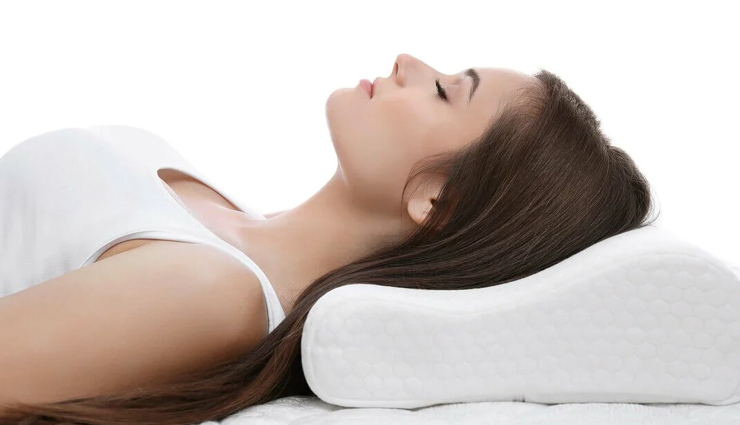
Practicing gratitude is a simple habit you can get into if you have problems sleeping at night. Closing your eyes and lying on your back, take a moment to gently reflect on all the positive aspects of your life and the moments you felt thankful for the events of the day.
Gratitude has nourishing and elevating effects on the mind and body, making it a sattvic mood that sets itself apart from tension and stress. The more gratitude you consistently cultivate, the more automatic it becomes.

# Unplug and unwind
Even while everyone loves their smartphone, using too much electricity can aggravate Vata, the dosha responsible for movement, and lead to restless nights.
Avoid using TVs, laptops, smartphones, electronic games, and other gadgets after 8:00 p.m. to prevent strain on your eyes and nervous system.
Alternatively, read, do some gentle yoga poses, take a hot bath with lavender essential oil or a DOSHA-BALANCING AROMA (use whichever smells the best right now), spend time with loved ones, light a candle, and listen to relaxing music. These are all peaceful, grounding activities.

# Regular exercise for good sleep
Maintaining physical health and promoting mental health require regular physical activity. Treating sleep problems and reducing stress require this. Steer clear of stimulants in the evening to prevent sleep disturbances.