- Home›
- Healthy Living›
- Here Is How Obesity Affects Fertility And Menstrual Health
Here Is How Obesity Affects Fertility And Menstrual Health
By: Priyanka Maheshwari Tue, 17 Mar 2026 8:18:19
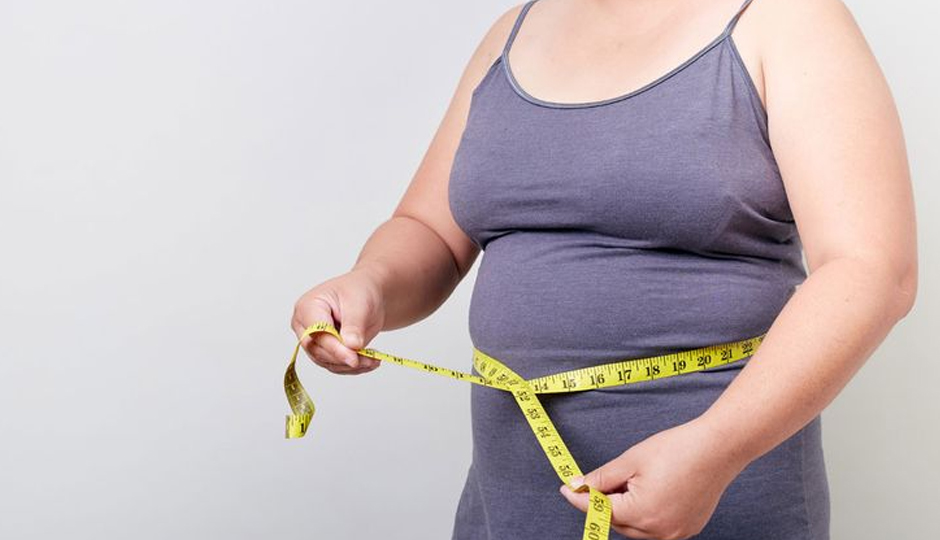
Indian women are increasingly facing the challenge of obesity, especially during their reproductive years. Recent findings published in the Journal of Obstetrics and Gynaecology Research highlight growing concerns about the rising rate of obesity among women. Another study revealed that in the 18–30 age group, more than half of the women—around 52.4%—were already classified as obese.
Obesity is defined as having a Body Mass Index (BMI) of 30 or higher. Health experts warn that this trend is no longer merely a lifestyle concern but has evolved into a serious public health issue that can significantly impact reproductive health.
How Obesity Affects Hormonal Balance
Today, obesity is not just linked to lifestyle habits but is also emerging as a major reproductive health concern. Medical professionals report a noticeable rise in irregular menstrual cycles, delayed conception, and pregnancy-related complications among women. Excess body weight can interfere with hormonal balance and metabolic processes, which directly influence reproductive health.
Over the years, we have observed increasing cases of irregular cycles, delayed conception, and pregnancy complications. Excess weight plays a major role in this. Obesity disrupts hormonal balance because body tissues remain metabolically active and influence estrogen production, insulin sensitivity, and inflammatory pathways.
The Connection Between Obesity and PCOS
One of the key reproductive conditions associated with obesity is Polycystic Ovary Syndrome (PCOS). This condition is characterised by irregular ovulation, elevated androgen levels, and metabolic disturbances. Women dealing with obesity may experience irregular periods, anovulation (absence of egg release), and difficulty conceiving.
“We have also seen that obesity increases insulin resistance, which contributes to hormonal imbalance. High insulin levels stimulate ovarian androgen production and disrupt normal follicular development. However, even a modest weight reduction of 5–10% can significantly improve ovulation and enhance the chances of natural conception,” Dr. Sharma added.
Pregnancy Risks Associated with Obesity
Experts point out that excessive weight during pregnancy can raise the risk of several complications. Women may be more prone to gestational diabetes, pregnancy-induced hypertension, preeclampsia, obstructed labour, and a higher likelihood of requiring a caesarean section.
The risks are not limited to the mother alone; the baby may also be affected. Possible complications include macrosomia (higher birth weight), premature birth, and an increased risk of long-term metabolic issues.
Emerging Approaches to Managing Metabolic Health
Experts believe that metabolic disorders involve more than just excess body weight—they reflect deeper imbalances in cellular communication within the body.
“India is gradually moving beyond traditional diet and exercise models toward regenerative approaches based on signalling biology. Mesenchyme stem cell-derived exosomes are emerging as a promising platform that may help address inflammation and insulin resistance at a deeper level, shifting the focus from short-term weight loss to long-term metabolic balance,” explained Dr. Aditi Kundoo, Medical Director at Cryoviva Life Sciences.
She further noted that this approach is particularly relevant for conditions like PCOS and maternal health, where metabolic balance plays a key role in fertility and pregnancy outcomes.
Bottom Line
Obesity is becoming a significant reproductive health concern for women in India. From irregular menstrual cycles and PCOS to pregnancy-related complications, excess body weight can affect several aspects of reproductive health. Experts emphasise that early lifestyle modifications, effective weight management, and timely medical support can play a crucial role in improving fertility outcomes and promoting better maternal health.