
- Home›
- Healthy Living›
- International Dance Day- 7 Reasons Why Dance-Based Movement Is Becoming More Visible In Everyday Fitness Culture
International Dance Day- 7 Reasons Why Dance-Based Movement Is Becoming More Visible In Everyday Fitness Culture
By: Priyanka Maheshwari Mon, 04 May 2026 10:20:33
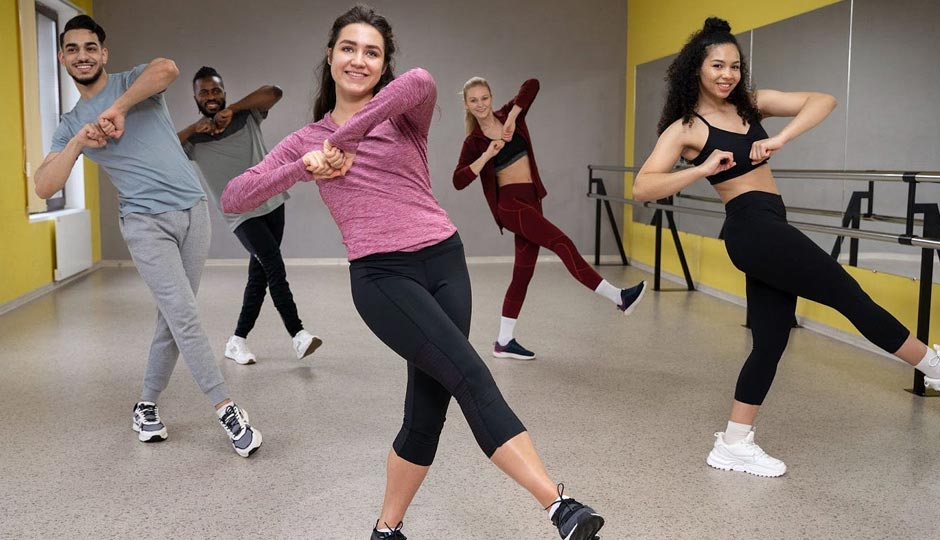
International Dance Day 2026 continues to spotlight dance as a universal language that brings people together across cultures and communities. Each year, the International Theatre Institute reinforces this idea through an official message, emphasizing inclusion, shared expression, and the unique ability of movement to bridge differences.
The day was established in 1982 by the Dance Committee of the International Theatre Institute (ITI) under UNESCO. The date honours the birth anniversary of Jean-Georges Noverre (1727–1810), the French ballet master widely regarded as the founder of modern ballet.
Unlike many global observances, International Dance Day does not follow a fixed annual theme. In 2026 as well, the focus remains on celebrating dance as a shared human experience rather than centering around a single slogan.
Why Dance-Based Movement Is Gaining Visibility in Everyday Fitness
Across gyms, studios, and homes, dance-based movement is becoming more prominent alongside traditional workouts. This shift isn’t about replacing established fitness routines but expanding the ways people stay active.
At the same time, experts and medical guidelines continue to stress the importance of structured workouts such as strength training, resistance exercises, and cardio for long-term health, muscle development, and injury prevention. Dance complements these foundations rather than replacing them. Here’s why it’s becoming more visible:
# Dance Feels Like Expression, Not Exercise
One major reason people are drawn to dance is psychological. Traditional workouts often rely on repetition and structured progression, which can feel rigid over time. Dance, on the other hand, blends movement with music and rhythm, making it more enjoyable. Studies in exercise psychology suggest that enjoyment improves consistency, which is why many people stick longer with dance-based routines.
# Combines Physical Fitness With Emotional Release
Dance is an effective aerobic activity and can match moderate-to-intense workouts like brisk walking or cycling. Regular participation can support cardiovascular health, strength, coordination, balance, flexibility, and overall stamina. Beyond physical benefits, dance is linked to improved mood and reduced stress, thanks to endorphin release and activation of the brain’s reward systems.
# Helps Maintain Consistency Without Burnout
Starting a fitness routine is easier than maintaining it. Structured programmes often demand discipline and repetition, which can feel exhausting over time. Dance introduces variety, creativity, and often a social element. Formats like Zumba, Bollywood dance fitness, or freestyle sessions make movement feel enjoyable rather than obligatory.
# Offers Full-Body Movement With Variety
Unlike machine-based workouts that isolate muscles, dance involves continuous, multi-directional movement. It includes turning, balancing, jumping, and shifting weight, which supports core strength, coordination, functional fitness, and body awareness. This natural variation also helps prevent boredom.
# Accessible and Easy to Start
One of dance’s biggest advantages is its accessibility. It doesn’t require equipment, memberships, or special setups—just space and music. This ease has contributed to the popularity of home-based dance workouts and online sessions, especially in busy urban lifestyles.
# Builds Community and Connection
Group dance classes add a social dimension to fitness. Shared movement and rhythm can boost motivation and participation. Research shows that social interaction improves adherence to fitness routines, making group-based activities particularly effective.
# Engages the Mind Along With the Body
Dance is not just physical—it’s mentally stimulating. Learning choreography involves memory, coordination, and focus. Studies suggest that combining physical and cognitive activity can enhance memory and mental agility, making dance a holistic form of exercise.
The Bigger Shift: Redefining Fitness
The rise of dance-based movement reflects a broader shift in how fitness is understood. Health today goes beyond structured workouts and calorie goals—it includes enjoyment, emotional well-being, mental clarity, and social connection.
On International Dance Day 2026, movement is no longer limited to one form or purpose. It exists in many styles, shaped by individual needs and preferences. Whether through dance, gym workouts, or a blend of both, every form of movement plays a role in helping people stay active and feel more connected to themselves.