- Home›
- Healthy Living›
- Is It Safe To Drink Black Coffee On An Empty Stomach?
Is It Safe To Drink Black Coffee On An Empty Stomach?
By: Saloni Jasoria Mon, 03 Mar 2025 10:46:04

For many, the morning ritual of coffee is a staple, with black coffee being the preferred choice for its bold taste and caffeine boost. However, a common question arises: Is it safe to drink black coffee on an empty stomach? While it may seem like an energizing way to start the day, this practice can affect some individuals negatively. Let’s explore the science and potential health effects of drinking black coffee without food.
The Science of Caffeine and an Empty Stomach
When consumed on an empty stomach, black coffee can have more immediate and intense effects on your body. Here's a closer look at what happens:
Increased Acidity
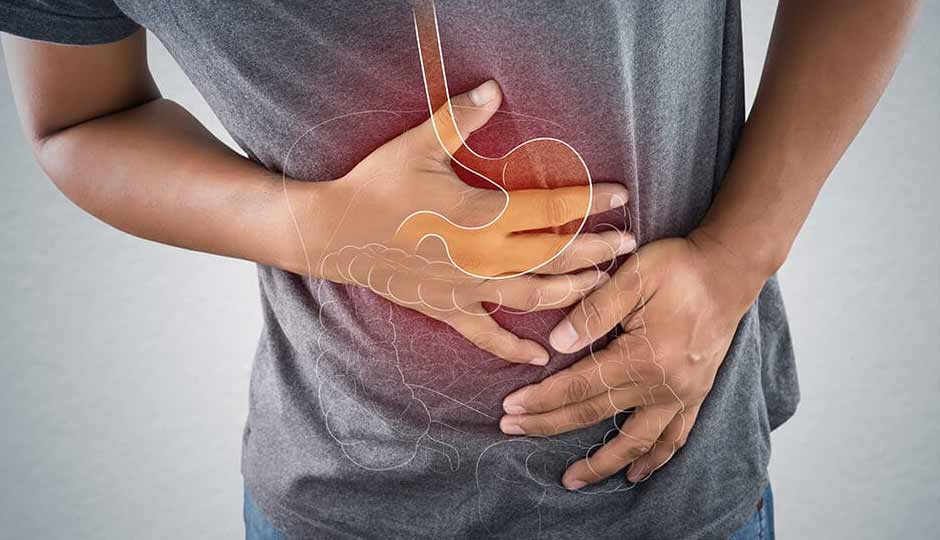
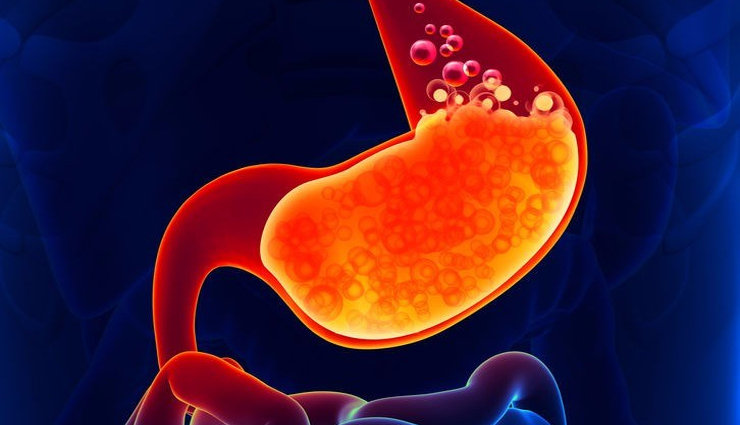
Caffeine stimulates the production of gastrin, a hormone that signals your stomach to produce hydrochloric acid (HCl). While HCl is essential for digestion, when produced excessively, it can lower the stomach’s pH and increase its acidity. This increased acidity can irritate the stomach lining and lead to uncomfortable symptoms, such as:
Indigestion: A feeling of fullness, bloating, or discomfort in the stomach area.
Nausea: Especially in those prone to stomach sensitivity.
Acid Reflux: Caffeine can trigger the relaxation of the lower esophageal sphincter, allowing stomach acid to travel up into the esophagus, causing heartburn or acid reflux.
For those with existing gastritis or ulcers, drinking black coffee on an empty stomach can exacerbate irritation, potentially worsening symptoms and leading to a longer healing process.
Cortisol Spike
Caffeine also stimulates the release of cortisol, the body’s primary stress hormone. Cortisol is vital for regulating energy and stress levels. However, drinking coffee first thing in the morning, especially on an empty stomach, can cause a significant spike in cortisol levels, leading to:
Increased Anxiety: Elevated cortisol can contribute to heightened stress and nervousness, making it harder to focus.
Disrupted Sleep Patterns: If consumed too early in the morning or in high amounts, it may disrupt your natural sleep-wake cycle.
Hormonal Imbalances: Chronic caffeine-induced cortisol spikes can interfere with normal hormone regulation, leading to issues like irregular periods or fluctuations in energy.
Potential Interference with Nutrient Absorption
Certain studies have shown that coffee, particularly when consumed on an empty stomach, can interfere with the absorption of key minerals such as iron and magnesium. Coffee’s tannins and polyphenols, compounds found in coffee, can bind with minerals and reduce their bioavailability. This might not be a major issue for short-term coffee drinkers, but if you consume coffee regularly without proper meals, it could lead to deficiencies over time.
Potential Benefits of Black Coffee on an Empty Stomach
While the risks are apparent, there are some potential benefits to consuming black coffee on an empty stomach, provided it doesn't cause any discomfort:
Metabolic Boost
Caffeine is well-known for temporarily boosting metabolism. For some people, black coffee can help enhance fat-burning processes, making it a popular drink for those trying to manage their weight. The caffeine in coffee can increase energy expenditure, although this effect is often short-lived and varies between individuals.
Improved Mental Clarity
Black coffee can enhance mental alertness and cognitive function. Consuming it first thing in the morning, especially on an empty stomach, can deliver a rapid surge in energy and focus. This is one of the reasons many people enjoy their morning cup as it helps them jump-star the day.
Appetite Suppression
Caffeine may also act as an appetite suppressant, helping some individuals control their hunger and make healthier food choices. This effect, however, can vary, and in some people, the combination of an empty stomach and caffeine might actually increase feelings of hunger later in the day.

Who Should Be Cautious About Drinking Black Coffee on an Empty Stomach?
Although some may benefit from the caffeine-induced boost, there are specific groups of people who should avoid black coffee on an empty stomach:
Individuals with Digestive Issues
If you have gastritis, ulcers, or acid reflux, it is advisable to steer clear of black coffee on an empty stomach. The excess acidity can aggravate these conditions and make them more difficult to manage.
People Prone to Anxiety
Those who are particularly sensitive to stress or anxiety should be cautious, as the cortisol spike from coffee may worsen these symptoms, especially if consumed in the morning before eating.
Pregnant or Breastfeeding Women
Pregnant or breastfeeding women are generally advised to limit caffeine intake due to potential effects on both the mother and baby. Consuming coffee on an empty stomach may cause a more pronounced effect, so it's best to consult a healthcare provider for personalized guidance.
Caffeine Sensitivity
If you're particularly sensitive to caffeine, you might experience side effects such as jitters, palpitations, or headaches when drinking black coffee on an empty stomach. For these individuals, it’s best to consider alternative methods of caffeine consumption, such as decaf coffee or consuming coffee with food.
Alternatives and Mitigation Strategies
If you enjoy your morning cup of coffee but want to avoid potential discomfort, consider these strategies:
Opt for Lower-Acidity Coffee
Certain coffee varieties, such as cold brew or low-acid coffees, may be gentler on the stomach, reducing the risk of acid-related issues.
Try Decaffeinated Coffee
For those who enjoy the ritual but are sensitive to caffeine, decaf coffee offers a way to enjoy the taste and warmth without the stimulating effects.
Hydrate First
Drinking a glass of water before your coffee can help dilute stomach acid, making the transition to coffee a bit gentler on the stomach lining.
Consider Eating Something Light First
Eating a light, easily digestible breakfast before your coffee can help buffer the acidity and reduce the negative effects of caffeine on an empty stomach.
The Bottom Line
While drinking black coffee on an empty stomach might give you a quick energy boost, it may also lead to discomfort, particularly if you have digestive issues or caffeine sensitivity. It’s essential to listen to your body and modify your routine accordingly. For those without digestive problems, consuming coffee with food or opting for gentler coffee alternatives may offer a more sustainable approach to enjoying your morning brew. Ultimately, your daily coffee habit should work for your body, not against it.