
12 Amazing Historical Places In Uttar Pradesh
By: Priyanka Maheshwari Fri, 22 May 2026 10:19:03
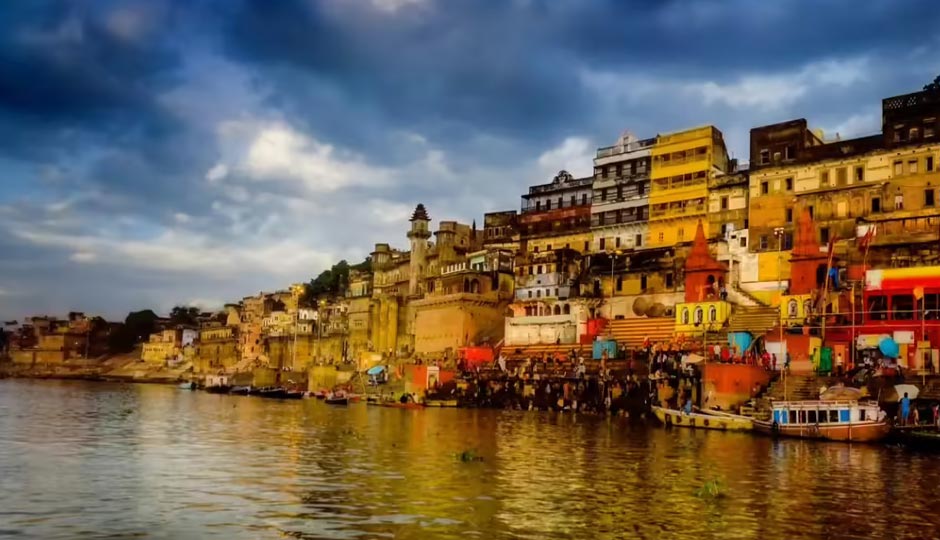
Uttar Pradesh, a vibrant tapestry of culture and history, proudly represents the heart of India’s heritage. Filled with ancient cities, magnificent monuments, and sacred landmarks, the state offers a fascinating journey through time. From the timeless beauty of the Taj Mahal to the spiritual ghats of Varanasi, every destination tells stories etched deep into India’s past. Exploring these 12 historical places in Uttar Pradesh takes you through majestic forts, ancient temples, royal palaces, and centuries-old cities, each reflecting a remarkable chapter of Indian history.
# Taj Mahal
The Taj Mahal is far more than a monument of marble; it is an eternal symbol of love and devotion. Built by Emperor Shah Jahan in memory of his beloved wife Mumtaz Mahal, this architectural masterpiece is admired worldwide for its elegance and perfection.
Its symmetrical design, intricate marble inlay work, and serene Mughal gardens create an atmosphere of timeless beauty. As one of the finest examples of Mughal architecture, the Taj Mahal continues to captivate visitors from across the globe with its charm and grandeur.
Things to Do: Admire the breathtaking architecture, visit the museum within the complex, enjoy a boat ride on the Yamuna River for scenic views, and explore nearby attractions like Agra Fort and Mehtab Bagh.
How to Reach: Agra is well-connected by road, rail, and air. The nearest airport is Kheria Airport, while regular trains and buses connect Agra to major cities such as Delhi and Jaipur.
# Varanasi Ghats
Varanasi, regarded as one of the world’s oldest living cities, radiates unmatched spiritual energy. The ghats lining the sacred River Ganges form a vivid blend of devotion, rituals, and tradition.
Here, history lives through ancient temples, narrow winding lanes, the sound of temple bells, and peaceful sunrise boat rides. The ghats offer a glimpse into India’s spiritual soul, where customs and traditions have remained unchanged for centuries.
Things to Do: Witness the mesmerizing Ganga Aarti, enjoy a boat ride on the Ganges, visit temples like Kashi Vishwanath, and wander through the old city lanes.
How to Reach: Varanasi is accessible through Lal Bahadur Shastri International Airport and is well-connected by rail and road to major Indian cities.
# Fatehpur Sikri
Fatehpur Sikri, built primarily from red sandstone, is a stunning abandoned city that once served as the capital of the Mughal Empire under Emperor Akbar.
The city beautifully combines Hindu and Islamic architectural influences and is home to remarkable structures such as Buland Darwaza and the Tomb of Salim Chishti. Walking through its deserted courtyards and royal palaces feels like stepping back into an era of imperial splendor and forgotten glory.
Things to Do: Explore the royal palaces, visit Jama Masjid, admire Buland Darwaza, and see the Tomb of Salim Chishti.
How to Reach: Located around 40 km from Agra, Fatehpur Sikri can be easily reached by road via buses, taxis, or private vehicles.
# Sarnath
Sarnath, located near Varanasi, is one of the holiest Buddhist pilgrimage sites in the world. It is here that Lord Buddha delivered his first sermon after attaining enlightenment.
The town is dotted with stupas, ancient ruins, monasteries, and museums that reflect the origins of Buddhism. The towering Dhamek Stupa and the Ashoka Pillar remain enduring symbols of spiritual awakening and peace.
Things to Do: Visit Dhamek Stupa, explore the Sarnath Archaeological Museum, walk through ancient monastery ruins, and visit the Tibetan Temple.
How to Reach: Sarnath lies about 10 km from Varanasi and is easily accessible by taxi or auto-rickshaw.
# Agra Fort
Agra Fort, a UNESCO World Heritage Site, stands as a powerful reminder of Mughal strength and artistic brilliance. Located close to the Taj Mahal, this massive red sandstone fortress once served as the residence of Mughal emperors.
Within its fortified walls lie elegant palaces, royal halls, and grand mosques that showcase the luxury of the Mughal era. Attractions such as Jahangir Palace and Musamman Burj offer glimpses into the empire’s rich history and Shah Jahan’s final years.
Things to Do: Explore the palaces and mosques, enjoy panoramic views of the Taj Mahal, and learn about Mughal history.
How to Reach: Agra Fort is easily accessible from Agra Cantt railway station and is well-connected by road.
# Ram Janmabhoomi
Ayodhya is one of India’s most sacred cities and is revered as the birthplace of Lord Rama from the Ramayana. At the center of the city lies Ram Janmabhoomi, a site of immense spiritual and historical importance.
The city’s temples, ghats, and spiritual atmosphere beautifully blend mythology with history, attracting pilgrims and visitors from across the country.
Things to Do: Visit the Ram Janmabhoomi temple complex, explore Hanuman Garhi Temple, and enjoy peaceful walks along the Sarayu River.
How to Reach: Ayodhya is well-connected by road and rail, with nearby Faizabad providing excellent transport connectivity.
# Jhansi Fort
Jhansi Fort stands as a proud symbol of courage and resistance, closely associated with the heroic Rani Lakshmibai during the Revolt of 1857.
Its massive walls and strategic location once played a vital role in defending the kingdom against British forces. Exploring the fort and its museum brings alive stories of bravery, sacrifice, and India’s struggle for independence.
Things to Do: Explore the fort galleries, visit the museum, and enjoy sweeping views of Jhansi city from the fort walls.
How to Reach: Jhansi is well-connected by rail to major Indian cities, and the fort can be reached easily from the railway station.
# Allahabad Fort
Allahabad Fort, built by Emperor Akbar at the confluence of the Ganga and Yamuna rivers, is a remarkable blend of history and architectural excellence.
The fort houses important attractions such as the sacred Akshayavat tree and the underground Patalpuri Temple. Though part of the fort remains under military control, it continues to hold immense spiritual significance, especially during the Kumbh Mela.
Things to Do: Visit Akshayavat, explore Patalpuri Temple, and participate in the Sangam holy dip during Kumbh Mela.
How to Reach: Prayagraj is well-connected by air, rail, and road. The fort is located close to Allahabad Junction railway station.
# Dudhwa National Park
Dudhwa National Park is celebrated for its rich biodiversity and scenic wilderness. Spread across dense forests, marshlands, and grasslands, the park shelters tigers, leopards, deer species, and numerous birds.
Beyond its wildlife, the region also carries fascinating historical tales and cultural heritage linked to the Terai belt and local Tharu communities.
Things to Do: Enjoy wildlife safaris, birdwatching, and cultural experiences in nearby Tharu villages.
How to Reach: The nearest railway station is Dudhwa, which is connected to Lucknow. The park is also accessible by road from Lucknow and Delhi.
# Chota Imambara
The Chota Imambara in Lucknow is a stunning representation of Awadhi and Shia architectural heritage. Built by Nawab Muhammad Ali Shah in 1838, it is especially admired during Muharram celebrations.
Its golden dome, ornate chandeliers, intricate calligraphy, and elegant interiors make it one of Lucknow’s most beautiful monuments.
Things to Do: Admire the architecture, explore the Shahi Hamam, and see the exquisite chandeliers and Islamic calligraphy.
How to Reach: Lucknow is well-connected by air, rail, and road. The monument is located in the old city area and is easily accessible by local transport.
# British Residency
The British Residency in Lucknow is a historically significant complex that witnessed the fierce Siege of Lucknow during the Revolt of 1857.
Today, its ruins, bullet-scarred walls, and preserved structures serve as reminders of one of the most important chapters in India’s freedom struggle. The site functions as a living museum narrating stories of resilience and conflict.
Things to Do: Explore the ruins, visit the museum, and observe the marks left behind from the 1857 uprising.
How to Reach: Located in central Lucknow, the Residency is easily accessible by road from all parts of the city.
# Rumi Darwaza
Rumi Darwaza, one of Lucknow’s most iconic landmarks, is a magnificent gateway showcasing the grandeur of Awadhi architecture. Built in 1784 by Nawab Asaf-ud-Daula, the sixty-foot-tall structure symbolizes the city’s royal legacy.
More than just an entrance, it reflects Lucknow’s artistic brilliance and regal charm, making it one of the city’s most photographed monuments.
Things to Do: Capture photographs of the grand gateway, visit the nearby Bada Imambara, and enjoy Lucknow’s famous street food.
How to Reach: Situated in the heart of Lucknow, Rumi Darwaza can be easily reached by taxi or auto-rickshaw from anywhere in the city.