12 Not To Miss Temples In Uttar Pradesh
By: Jhanvi Gupta Fri, 26 Sep 2025 10:50:52
The northern Indian state of Uttar Pradesh is renowned for its rich spiritual heritage and countless temples. Home to sacred cities like Ayodhya, Mathura, and Vrindavan, the state finds frequent mention in Hindu epics such as the Ramayana, Mahabharata, and the Bhagavad Gita. A visit to these historic and spiritual sites can be a rejuvenating experience, offering healing for both the body and the soul. Steeped in history and mythology, Uttar Pradesh boasts some of India’s most revered pilgrimage destinations, drawing devotees from across the country. From temples that have stood the test of time to those that have vanished from history yet remain cherished in devotion, the state offers an extensive array of sacred spaces, each dedicated to different deities and stories waiting to be explored.
# Ram Janmabhoomi Temple, Ayodhya
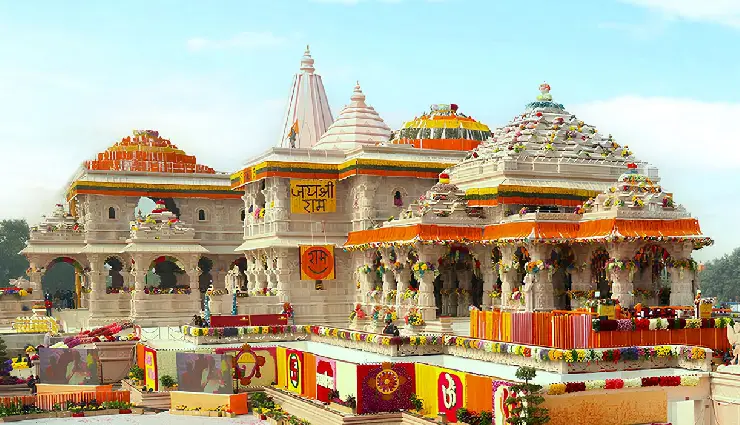
The Ram Janmabhoomi Temple in Ayodhya is one of the most iconic temples in Uttar Pradesh. A site of devotion as well as historical disputes, it is considered one of the Sapt Puri (Seven Holy Pilgrimages) in India. Revered as the birthplace of Lord Rama—the seventh incarnation of Lord Vishnu—the temple celebrates his virtues, integrity, and legendary battle against the demon king Ravana. Situated along the banks of the Sarayu River, Ayodhya reflects its glorious past depicted in the Ramayana. After years of legal battles, construction of the Ram Mandir is underway at its claimed site, making it a must-visit destination for pilgrims and tourists alike.
# Banke Bihari Temple, Vrindavan
Dedicated to Lord Krishna, the Banke Bihari Temple in Vrindavan is a celebrated religious site in Uttar Pradesh. ‘Banke’ refers to the idol’s unique Tribhanga posture, while ‘Bihari’ means “enjoyer,” highlighting the joyful depiction of Krishna here. Built by Swami Haridas, a devoted follower of Krishna and Radha, the temple enshrines the divine couple together. A popular legend tells how Krishna and Radha appeared to Swami Haridas during prayer, leading him to request their forms be merged into the idol worshiped today. The temple, built in 1860 with Rajasthani-style architecture, sees its highest footfall during Krishna Janmashtami, making it a key attraction in Uttar Pradesh.
# Kashi Vishwanath Temple, Varanasi
Located in the sacred city of Varanasi, the Kashi Vishwanath Temple is one of the most important religious sites in Uttar Pradesh. Dedicated to Lord Shiva as Vishwanath, the ruler of the universe, it is one of the twelve Jyotirlingas in India, believed to grant salvation to devotees who visit all twelve. Originally built in the 18th century by Maharani Ahilya Bai Holkar of Indore, it is also known as the ‘Golden Temple’ due to its gleaming gold façade. Set on the banks of the River Ganga and exemplifying Nagara-style architecture, the temple has faced demolitions and reconstructions over the centuries, yet continues to attract devotees, especially during Mahashivratri and Shravan.
# Tulsi Manas Temple, Varanasi
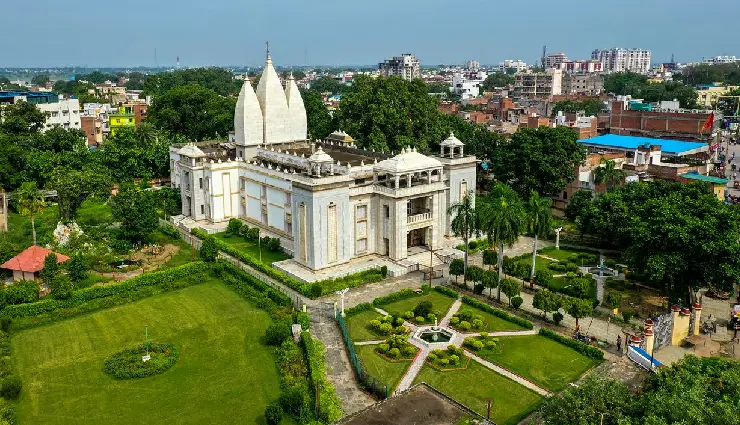
Constructed in honor of the revered poet and philosopher Tulsidas, the Tulsi Manas Temple is devoted to Lord Rama. The temple walls are inscribed with verses from the Ramcharitmanas, while artwork, sculptures, and paintings depict the epic’s stories. Built in white marble in 1964 by Seth Ratan Lal Sureka of Bandhaghat, the temple exudes serenity and devotion. It features images of Lord Rama, Sita, Lakshman, and Hanuman, along with a beautiful Tulsi Garden. Situated along the holy Ganges, it attracts devotees especially during Rama-related festivals.
# Krishna Janmabhoomi Temple, Mathura
The Krishna Janmabhoomi Temple in Mathura marks the birthplace of Lord Krishna, a central deity in Hinduism and an incarnation of Lord Vishnu. The temple is built at the site where Krishna was born in a prison cell under King Kansa’s captivity. A vital pilgrimage destination, it is particularly crowded during Krishna Janmashtami. Despite historical attacks and plundering, the temple stands today as both a spiritual and architectural marvel, cherished by devotees from across India.
# Shri Rangnath Ji Mandir, Vrindavan
This temple in Vrindavan is dedicated to Lord Rangnath, a form of Krishna, and was inspired by the Sri Varadaraja Temple of Kanchipuram. Built in South Indian architectural style in 1851 by Sri Rangadeshik Swamiji, it celebrates the divine love story of Andal and Lord Krishna. Notable features include a 30-meter golden pillar and a grand gopuram with intricate carvings. The temple follows Vedic rites and hosts Brahmotsavam and a ten-day Rath Festival, attracting numerous devotees.
# Maa Vindhyavasini Temple, Mirzapur
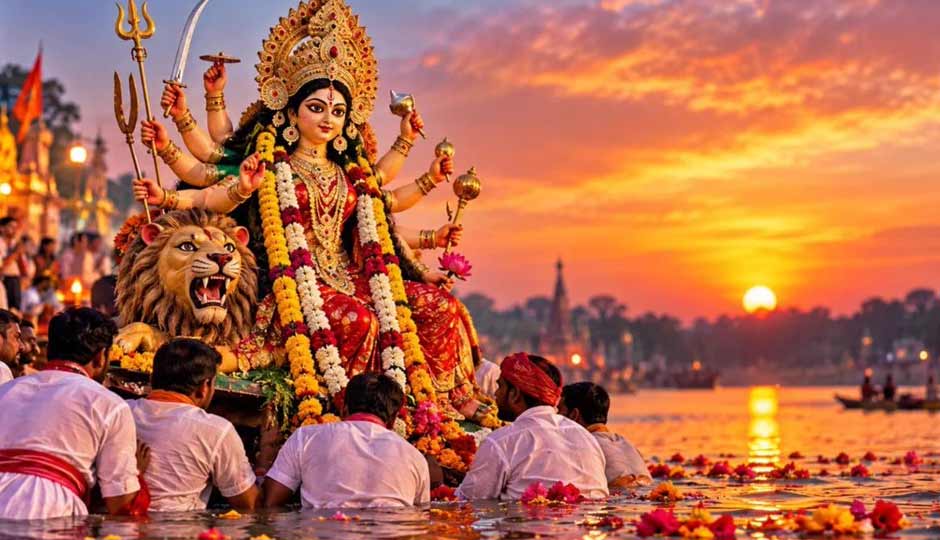
Dedicated to Goddess Durga in her form as Vindhyavasini, this temple is a significant Shakti Peetha in Uttar Pradesh. Situated along the Ganga, it is believed that the goddess chose this site after her victory over the demon Mahishasura. Navratri is celebrated here with great enthusiasm, illuminating the city with lights and diyas. The serene surroundings enhance the spiritual experience, making it a must-visit pilgrimage destination.
# Dudheshwar Nath Mandir, Ghaziabad
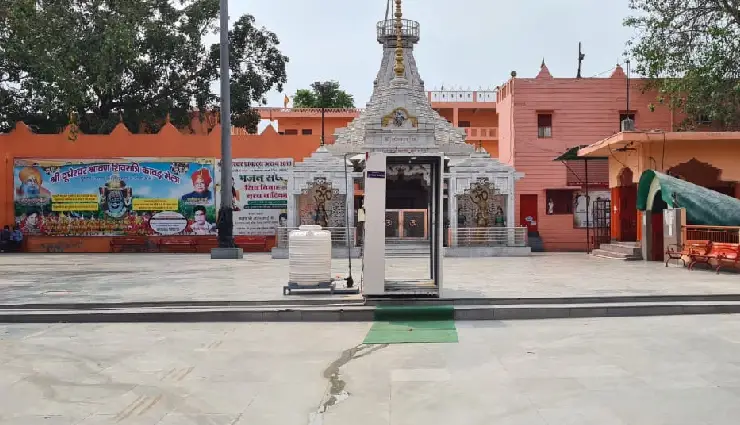
One of Ghaziabad’s oldest temples, the Dudheshwar Nath Mandir is devoted to Lord Shiva, worshiped here in the form of a lingam. Thousands of years old, it is a center of devotion and believed to fulfill wishes. The ritual of Dudh Abhishekam (pouring milk on the shivling) is considered especially auspicious, attracting many visitors, particularly during Mahashivratri.
# Sankat Mochan Hanuman Mandir, Varanasi
Situated on the banks of the Assi River, this temple honors Hanuman, the devoted follower of Lord Rama. ‘Sankat Mochan’ means “reliever of troubles,” and the temple is famed for its aarti rituals. Established by Goswami Tulsidas, it draws devotees year-round, especially during Hanuman Jayanti, offering a spiritual and calming atmosphere along the Ganges.
# ISKCON, Vrindavan
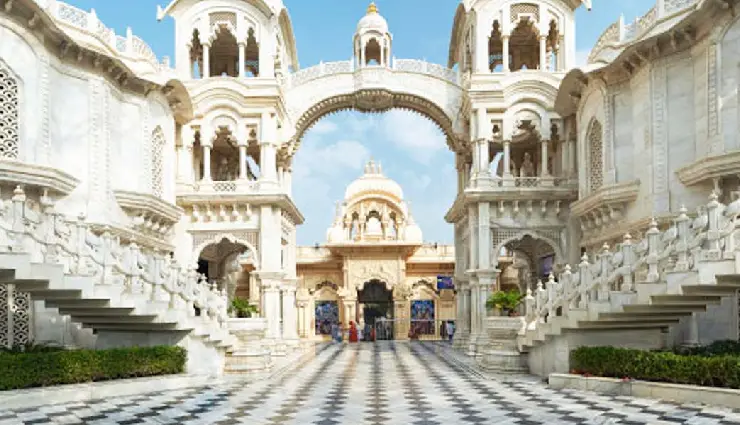
The ISKCON temple in Vrindavan promotes devotion to Lord Krishna and the teachings of the Bhagavad Gita. Worshiping Krishna alongside Radha, it is located where Krishna and Balaram spent their childhood. Built of white marble along the River Ganga, the temple is not only spiritually significant but also visually stunning, making it a highlight of Vrindavan.
# Radha Raman Temple, Vrindavan
This temple celebrates the divine love of Radha and Krishna. Believed to house a Swayambhu (self-manifested) deity of Krishna, the Radha Raman Temple was built around 1542 AD by Gopal Bhatt Goswami. A revered site for followers of Gaudiya Vaishnavism, the temple is known for its exquisite architecture and spiritual ambiance.
# Prem Mandir, Vrindavan
Prem Mandir, maintained by the Jagadguru Kripalu Parishat, celebrates the divine love of Radha and Krishna. Situated on the outskirts of Vrindavan, it is crafted from white marble with intricate carvings and beautifully landscaped gardens. The temple hosts daily rituals and a spectacular light show depicting Radha-Krishna’s stories, offering an immersive spiritual experience for visitors.