15 Most Famous Tourist Attractions To Visit In Agra
By: Mansi Sat, 02 Aug 2025 7:57:41

Agra is one of the most iconic tourist destinations in India, especially for those who enjoy city exploration and historical marvels. Its lively streets and vibrant culture create a delightful chaos that leaves a lasting impression on visitors. While the city is most famous for the breathtaking Taj Mahal, there’s so much more to discover. From majestic forts to serene gardens and lesser-known architectural gems, Agra offers a rich blend of history, culture, and beauty.
Let’s dive into some of the top attractions that showcase the best of Agra—beyond just the Taj Mahal.
# Taj Mahal
No visit to Agra is complete without witnessing the grandeur of the Taj Mahal. This world-renowned white marble mausoleum, built by Mughal emperor Shah Jahan in memory of his wife Mumtaz Mahal, stands as a timeless symbol of love. Recognized as one of the Seven Wonders of the World, it took 20 years and artisans from Persia and Italy to complete its stunning construction. The Taj’s ethereal beauty makes it a favorite among couples and photographers alike. Its romantic charm makes it one of the best places to visit in Agra for couples.
# Agra Fort
A UNESCO World Heritage Site, Agra Fort is a must-visit for history lovers. Constructed with red sandstone, this imposing fort was once the residence of the Mughal emperors. Inside, you’ll find a collection of elegant buildings such as Diwan-I-Aam (Hall of Public Audience), Nagina Masjid, Shesh Mahal, Khas Mahal, and Jahangir’s Palace. Walking through its vast courtyards and underground passages transports you straight into the Mughal era.
# Fatehpur Sikri
Located just outside Agra, Fatehpur Sikri is an architectural gem built by Emperor Akbar between 1572 and 1585. The city has a fascinating history—Akbar, who had no heir, sought blessings from Sufi saint Salim Chishti and later built this city in his honor after the birth of his son. The site includes palaces, mosques, and courtyards, offering a perfect blend of Indo-Islamic architecture and historical intrigue.
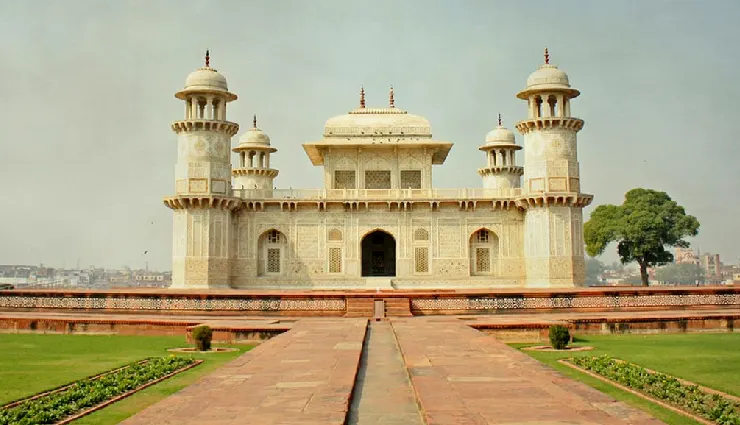
# Itimad-ud-Daulah’s Tomb (Baby Taj)
Often referred to as the ‘Baby Taj’, this elegant marble tomb was commissioned by Nur Jahan for her father Mirza Ghiaz Beg, a trusted minister in Akbar's court. Built between 1622 and 1628, the tomb’s Persian-style architecture is considered a precursor to the Taj Mahal. It's a peaceful and beautifully designed monument with intricate marble inlay work.
# Mariyam’s Tomb
This red sandstone tomb was built in memory of Mariam-uz-Zamani, Akbar’s wife and mother of Jahangir. Located near Sikandra, it showcases Mughal architecture with ornate domes, Mughal gardens, and detailed Chhatris. It’s a serene spot for those interested in the personal lives of the Mughal royals.
# Akbar’s Tomb (Sikandra)
Situated in Sikandra, this magnificent structure is the final resting place of Emperor Akbar. Interestingly, Akbar himself initiated the construction of the tomb, which was later completed by his son Jahangir. The fusion of Hindu and Islamic architectural elements here reflects Akbar’s secular outlook and visionary thinking.
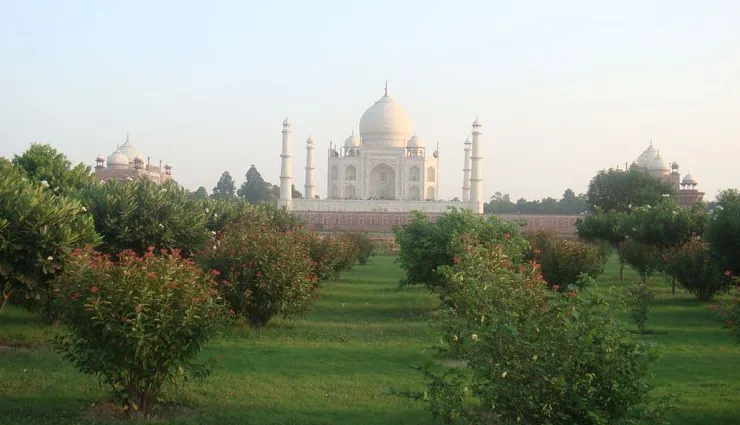
# Mehtab Bagh
Spread across 300 acres on the western banks of the Yamuna, Mehtab Bagh offers one of the best views of the Taj Mahal, especially at sunset. This was the last of the 11 Mughal gardens built by Babur. Legend has it that Shah Jahan wanted to build a black Taj Mahal opposite the white one, but the dream was never realized. Today, it remains a peaceful retreat perfect for photography and evening strolls.
# Chini Ka Rauza
An underrated gem, Chini Ka Rauza was built in 1635 as the tomb of Afzal Khan Aalami, Shah Jahan’s prime minister. Adorned with Persian-style floral motifs and blue-glazed tiles (known as Chini Mitti), the monument reflects a rare Indo-Persian architectural style and is a visual treat for history buffs.
# Ram Bagh
Often considered the oldest Mughal garden in India, Ram Bagh (originally known as Aaram Bagh) was built by Babur and later renovated by Nur Jahan. Designed as a place for royal relaxation, the garden features waterways, pillared pavilions, and shaded walkways—ideal for a calm and reflective visit.
# Radhasoami Samadhi
A peaceful spiritual site, Radhasoami Samadhi is the headquarters of the Radhasoami faith. It houses the tomb of Swamiji Maharaj, the sect's founder. With its stunning architecture and tranquil ambiance, this site invites introspection and offers a break from the city's hustle.

# Keetham Lake (Sur Sarovar)
Located inside the Sur Sarovar Bird Sanctuary, Keetham Lake is a pentagon-shaped waterbody surrounded by man-made islands. A haven for bird watchers and nature lovers, the sanctuary is home to over 100 species of migratory birds. Boating, photography, and leisurely walks make this a perfect family-friendly outing.
# Motilal Nehru Park
Stretching between Agra Fort and the Taj Mahal, Motilal Nehru Park is ideal for walks, picnics, and quiet moments. Its lush greenery and scenic location also make it a romantic spot for couples looking to spend quality time together.
# Jama Masjid
Built in the 17th century and also known as the Friday Mosque, Jama Masjid is a striking red sandstone and white marble structure. Commissioned by Shah Jahan’s daughter Jahanara Begum, it is one of the largest mosques in India. The beautifully carved walls and domes reflect a deep connection between Jahanara and her father. A special prayer is held every Friday, drawing devotees and tourists alike.
# Anguri Bagh
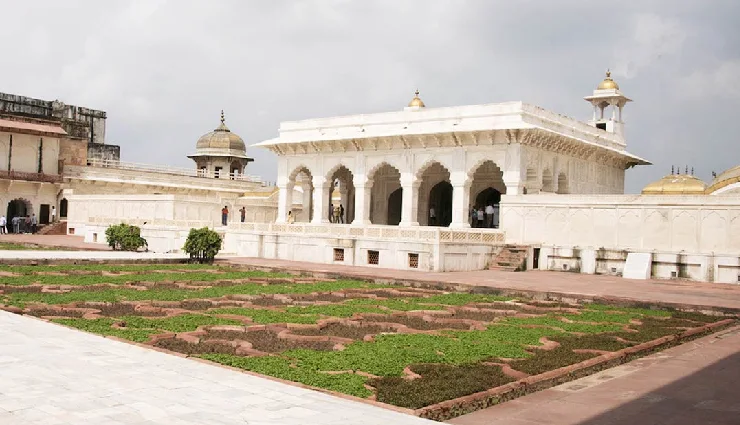
Meaning ‘Garden of Grapes’, Anguri Bagh was designed for the royal ladies of the Mughal court. Built by Shah Jahan in 1637, the garden is surrounded by red sandstone structures and features over 85 geometric gardens, fountains, and pools. Located next to the Khas Mahal, this hidden gem adds charm to any visit to Agra Fort.
# Gurudwara Guru Ka Taal
This revered Sikh pilgrimage site is dedicated to Guru Tegh Bahadur Ji, the ninth Sikh Guru. He willingly offered himself for arrest during Aurangzeb’s reign, upholding the right to religious freedom. Originally a water reservoir from Jahangir’s time, it was later transformed into a Gurudwara. Today, it stands as a symbol of faith, sacrifice, and devotion.