
6 Tiger Reserves To Visit In India
By: Mansi Mon, 08 Sep 2025 9:22:37
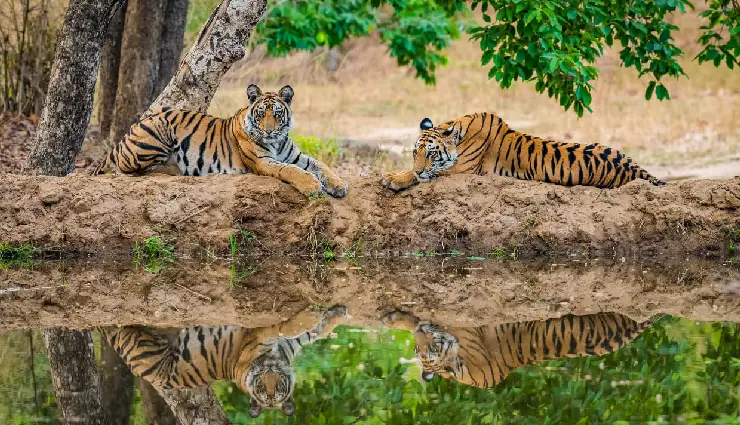
India today shelters nearly 70 percent of the world’s Bengal tiger population, according to a recent report by the National Tiger Conservation Authority (NTCA)—the apex body overseeing tiger conservation in the country. Currently, India is home to around 3,167 tigers, but this wasn’t always the case. Rampant hunting for sport, coupled with poaching for trade and other purposes, had pushed tiger numbers to alarming lows, as highlighted in a 1972 survey. This crisis led to the launch of Project Tiger in 1973, a landmark initiative aimed at protecting the species from extinction.
Over the past fifty years, Project Tiger has yielded remarkable results. India’s reserves have recorded an average annual growth of 6 percent in tiger numbers, making the big cat far easier to spot today than ever before. With 54 tiger reserves spread across the country, these forests not only provide a safe haven for tigers but also offer some of the best opportunities for wildlife enthusiasts to witness them in their natural habitat.
To help you navigate through the many choices, here’s a look at six of the most popular tiger reserves in India where patience, luck, and planning can bring you face-to-face with the majestic predator.
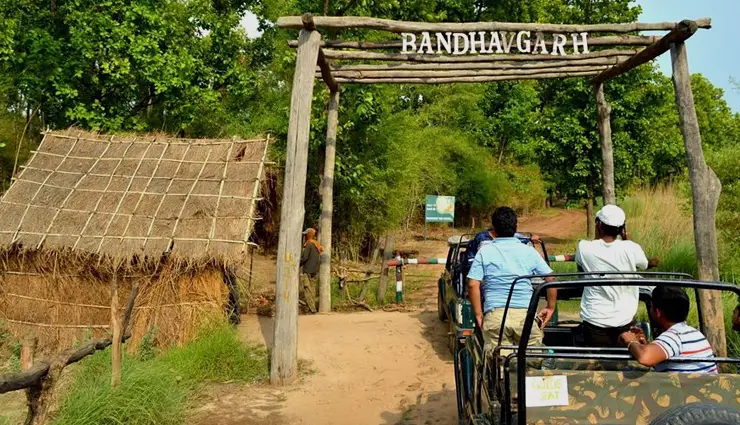
# Bandhavgarh Tiger Reserve, Madhya Pradesh
Among India’s most celebrated tiger reserves, Bandhavgarh boasts a dense tiger population. Spread across 1,536.93 sq. km (with 716.90 sq. km as core and 820.03 sq. km as buffer), it became a national park in 1968 and was later included under Project Tiger in 1993.
Thanks to conservation efforts by the NTCA and local authorities, Bandhavgarh is now home to around 135 tigers, while Madhya Pradesh itself leads the country with 785 tigers. A jungle safari here offers a good chance of spotting Bengal tigers along with leopards, wild dogs, foxes, elephants, and sloth bears. The reserve’s dense Sal and Bamboo forests, grasslands, and rich biodiversity make it an ideal environment for its apex predator.
# Ranthambore Tiger Reserve, Rajasthan
One of India’s most iconic tiger habitats, Ranthambore lies in Sawai Madhopur, Rajasthan. Initially declared a wildlife sanctuary in 1955, it later became part of Project Tiger in 1973. Once the hunting grounds of Rajasthan’s royals, today it stands as a thriving tiger reserve.
The reserve has seen steady growth in its tiger numbers, rising from 66 in 2019 to 81 in 2021. Apart from tigers, Ranthambore is home to leopards, hyenas, wild cats, reptiles, and over 300 plant species, with the Dhok tree dominating its dry deciduous landscape. A safari through the rugged terrain promises glimpses not only of the big cats but also of Ranthambore’s rich wildlife heritage.
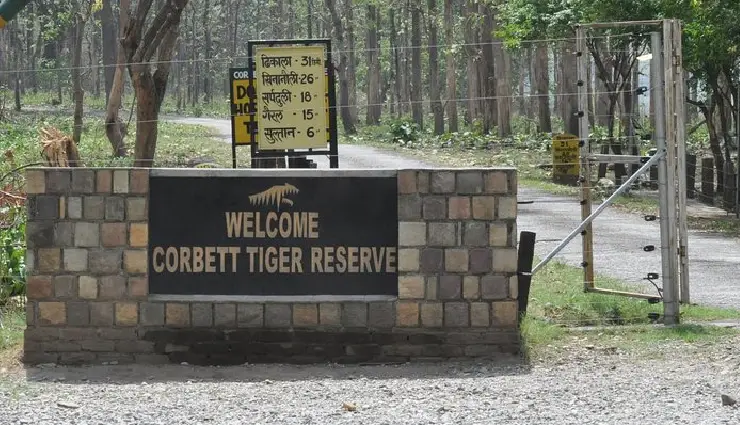
# Jim Corbett Tiger Reserve, Uttarakhand
Located in Uttarakhand’s Nainital district, Jim Corbett National Park—established in 1936 as Hailey National Park—was the first national park in Asia. Renamed in 1956 after famed conservationist Jim Corbett, it was also the first to be included under Project Tiger in 1973.
Covering 1,318 sq. km (with 520 sq. km core), Corbett is known for its diverse terrain—hills, grasslands, rivers, waterfalls, and lakes—all of which provide the perfect habitat for tigers. Today, it has the highest tiger population among India’s reserves, around 260 tigers, and also holds the distinction of having the highest tiger density in the world. Corbett is not just a tiger haven but also a hotspot of biodiversity, supporting elephants, leopards, reptiles, and over 600 bird species.
# Kanha Tiger Reserve, Madhya Pradesh
Nestled in the Satpura hills, Kanha Tiger Reserve is the largest in Madhya Pradesh and renowned as one of the best managed reserves in India. Spread across 940 sq. km with a 1,134 sq. km buffer zone, it was among the first parks brought under Project Tiger in 1973.
Kanha is famously believed to have inspired Rudyard Kipling’s The Jungle Book, with its dense Sal forests, grassy meadows, and rich fauna. Apart from tigers, the park is known for the Barasingha (swamp deer)—an endangered species brought back from the brink of extinction here. Leopards, wild dogs, sloth bears, gaurs, and countless bird species also call Kanha home, making a safari here both thrilling and rewarding.