
7 Wildlife National Parks To Visit In Rajasthan
By: Priyanka Maheshwari Thu, 08 Oct 2026 9:49:18
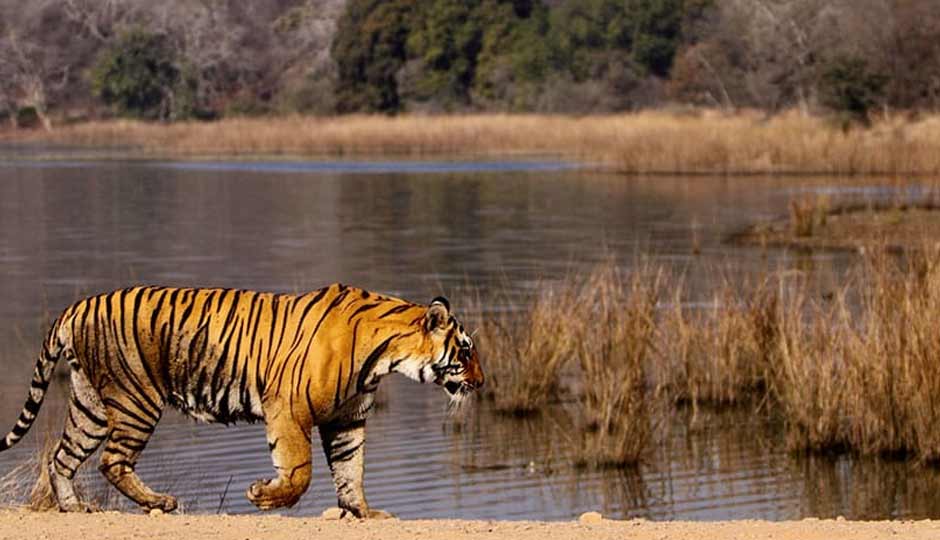
Rajasthan is renowned for its magnificent forts, colourful culture, royal heritage, and breathtaking landscapes, but the state is also a paradise for wildlife enthusiasts and nature lovers. Its national parks and wildlife sanctuaries provide an opportunity to explore diverse ecosystems and encounter some fascinating species of animals and birds in their natural habitats.
Rajasthan’s wildlife reserves play an important role in protecting animals and birds from threats while preserving the state’s rich biodiversity. From majestic tigers and elusive leopards to migratory birds and desert wildlife, these protected areas offer unforgettable experiences for nature and adventure lovers.
If you are planning a wildlife holiday in Rajasthan, there are several destinations worth adding to your itinerary. Here is a list of some of the best wildlife national parks and sanctuaries in Rajasthan that you should not miss.
1. Ranthambore National Park
Located near Sawai Madhopur, Ranthambore National Park is one of Rajasthan’s most popular wildlife destinations. The park is particularly famous for its tiger population, although visitors can also spot leopards, sloth bears, crocodiles, deer, and numerous bird species.
Ranthambore has a fascinating connection with Rajasthan’s royal history and was once used as a hunting ground by the royals. Today, the area is a protected wildlife reserve where visitors can enjoy guided jeep and canter safaris while following the safety instructions provided by park authorities and guides.
The park is also home to the impressive ruins of Ranthambore Fort, making it an excellent destination for travellers who enjoy both wildlife and history.
The ideal time to visit Ranthambore is generally during the cooler and drier months when wildlife sightings can be rewarding. A two- or three-day trip allows visitors enough time to enjoy safaris and explore the surrounding attractions.
2. Sariska Tiger Reserve
Located in Alwar district, Sariska Tiger Reserve is another popular wildlife destination in Rajasthan. Apart from its rich wildlife, the reserve is known for its scenic landscapes, dry deciduous forests, hills, and natural vegetation.
Sariska is home to several species, including tigers, leopards, chital, sambar deer, wild boar, hyenas, and a variety of birds. Tiger sightings are one of the major attractions for visitors.
Wildlife enthusiasts can explore the reserve through authorised safari options. Visitors need to follow the booking rules and guidelines laid down by the forest department.
The period between October and May is generally considered a good time to explore Sariska. The combination of forests, hills, wildlife, and historical attractions makes it an exciting destination for nature lovers and adventure seekers.
3. Desert National Park and Sanctuary
Located near Jaisalmer, Desert National Park and Sanctuary is one of Rajasthan’s most distinctive wildlife destinations. Spread across the unique landscape of the Thar Desert, the protected area provides a glimpse into the fascinating wildlife that survives in an arid environment.
Visitors can spot species such as the desert fox, Indian wolf, Bengal fox, desert cat, chinkara, and various reptiles. The sanctuary is also particularly important for birdwatchers, as it provides habitat for several resident and migratory bird species.
One of the major attractions is the Great Indian Bustard, an endangered bird species associated with Rajasthan’s desert ecosystem.
The golden sand dunes, rocky terrain, desert vegetation, wildlife, and spectacular sunsets make this destination especially appealing to photographers and adventure enthusiasts. Nearby attractions such as the Thar Desert and Gadisar Lake can also be included in a Jaisalmer itinerary.
The region is also known for its palaeontological discoveries, including fossil remains, adding another interesting dimension to the destination.
4. Kumbhalgarh Wildlife Sanctuary
Situated around the historic Kumbhalgarh Fort, Kumbhalgarh Wildlife Sanctuary is an excellent destination for travellers who want to combine heritage sightseeing with wildlife exploration.
The sanctuary is home to animals such as leopards, wolves, sloth bears, chinkaras, nilgai, deer, and various smaller mammals. The surrounding Aravalli hills create a scenic setting for wildlife and nature activities.
Birdwatchers can also find several species in the sanctuary, including the grey junglefowl and other forest birds.
The sanctuary’s rugged hills, forests, valleys, and diverse wildlife make it suitable for adventure activities such as trekking and wildlife safaris. Visiting the sanctuary along with Kumbhalgarh Fort can make for a memorable travel experience.
5. Keoladeo Ghana National Park
Formerly known as Bharatpur Bird Sanctuary, Keoladeo Ghana National Park is one of India’s most celebrated bird-watching destinations. The park was declared a UNESCO World Heritage Site in 1985 and is an important habitat for numerous resident and migratory birds.
The park is home to hundreds of species of birds and several animals. Visitors may spot painted storks, herons, egrets, kingfishers, deer, nilgai, jackals, and other wildlife. Historically, the wetland was also associated with the hunting traditions of the Bharatpur royal family and British-era officials.
Keoladeo is particularly popular among birdwatchers, photographers, and nature enthusiasts. Visitors can explore the park on foot, by bicycle, or through cycle-rickshaws operated by local guides.
The park is well connected to major cities and can be conveniently included in Rajasthan itineraries covering Bharatpur, Agra, Jaipur, or Delhi.
6. Darrah National Park
Located in the Kota region of Rajasthan, Darrah National Park is known for its rugged terrain, dense forests, diverse vegetation, and rich wildlife. The area forms part of the larger Mukundra Hills landscape and is an interesting destination for wildlife enthusiasts.
The park provides habitat for species such as leopards, wolves, sloth bears, deer, and various bird species. Its hills, forests, and valleys create a beautiful setting for nature lovers.
Historically, the region served as a hunting ground for the Maharajas of Kota. Remnants of this royal connection can still be found in the form of old hunting lodges and heritage structures.
The surrounding area also offers opportunities to explore historical and religious attractions, including forts and temples. For travellers interested in combining wildlife, history, and nature, Darrah can be a fascinating destination.
7. Mount Abu Wildlife Sanctuary
Located in the Aravalli mountain range, Mount Abu Wildlife Sanctuary is one of Rajasthan’s most scenic wildlife destinations. Established in 1980, the sanctuary protects a diverse range of flora and fauna across its hilly landscape.
Wildlife found in the sanctuary includes Indian leopard, sloth bear, wild boar, chinkara, Indian wolf, langur, Indian fox, and several other species. The region is also home to a variety of birds, making it appealing to birdwatchers.
Mount Abu’s cool climate, forested hills, valleys, and scenic surroundings make the sanctuary especially attractive to trekking and hiking enthusiasts. Winter is generally a comfortable season for exploring the region and enjoying outdoor activities.
Visitors can combine a wildlife excursion with Mount Abu’s other popular attractions, making it an ideal destination for both nature lovers and families. Jeep safaris and other local activities may also be available depending on prevailing forest department regulations.
From tiger reserves and dense forests to desert landscapes and bird-rich wetlands, Rajasthan offers a remarkable variety of wildlife experiences. Ranthambore, Sariska, Desert National Park, Kumbhalgarh, Keoladeo, Darrah, and Mount Abu each offer a different perspective of the state’s natural heritage. A visit to any of these destinations can add an exciting wildlife experience to your Rajasthan trip.