Badrinath Dham: A Sacred Pilgrimage In The Himalayas
By: Mansi Sat, 26 Jul 2025 1:07:40

India’s spiritual geography is beautifully represented by the Char Dham, four sacred pilgrimage sites located in the four cardinal directions—Rameshwaram in the South, Jagannath Puri in the East, Dwarka in the West, and Badrinath in the North. Nestled in the majestic Himalayas of Uttarakhand, Badrinath Dham stands as a beacon of divine grace and devotion. Dedicated to Lord Vishnu, this revered shrine attracts countless pilgrims every year, seeking blessings amidst the serene beauty and mythological significance of the region.
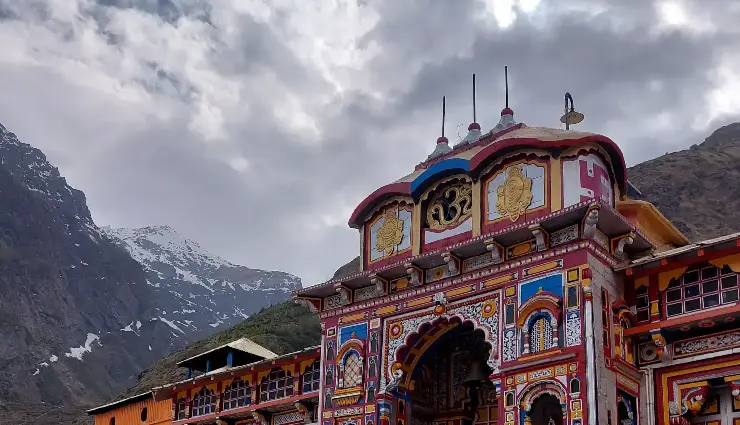
Badrinath in the North
Badrinath Dham, located in the Chamoli district of Uttarakhand, is also a part of the Chhota Char Dham pilgrimage circuit. Nestled in the Garhwal Himalayas along the banks of the Alaknanda River, this revered temple is dedicated to Lord Vishnu.
Historical and Mythological Significance
During Satyug, Lord Vishnu is believed to have taken the avatars of Nar and Narayan, and the temple is flanked by the two mountains named after them. According to mythology, Narad Muni once mocked Lord Vishnu for resting, which angered him. Lord Vishnu retreated to Badrinath for deep meditation. Out of concern, Goddess Lakshmi transformed into a Badri tree to shield him from the elements.
The temple gets its name from Adi Shankaracharya, the 9th-century Indian philosopher who discovered the idol of Badrinarayan in the Alaknanda River. He placed it in a cave now known as Tapt Kund. In the 16th century, the King of Garhwal constructed a proper temple and moved the idol there.
As per legends, during Kalyug, Lord Vishnu vowed not to appear in physical form, which is why visiting Badrinath Dham is considered equivalent to receiving his ultimate blessings. Devotees also come here to perform last rites and offer nirvana to their departed loved ones.
How to Reach Badrinath Dham
By Air:
The nearest airport is Jolly Grant Airport (Dehradun). From here, taxis are available to Govindghat or directly to Badrinath. Travelers can also fly into Delhi and continue by road or train.
By Train:
The closest railway stations are Haridwar and Rishikesh. From there, taxis or buses can take you to Badrinath via Govindghat.
By Road:
If traveling from Delhi, you can take a bus from Kashmiri Gate ISBT to Haridwar, then continue by road. On your way, you’ll pass through:
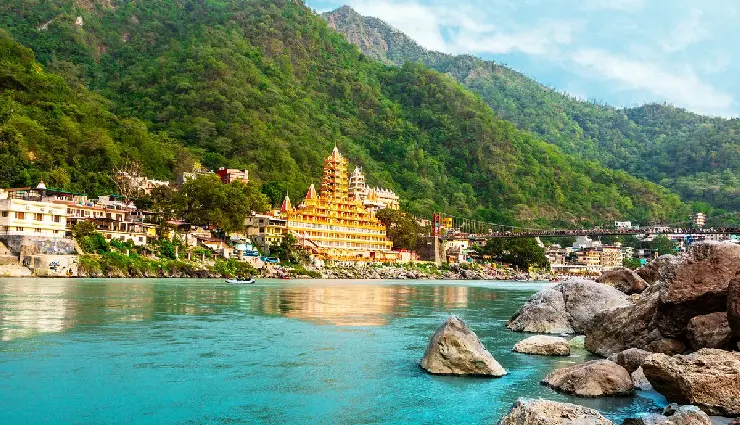
- Rishikesh
- Devprayag (confluence of Alaknanda and Bhagirathi)
- Rudraprayag (Alaknanda + Mandakini)
- Karnaprayag (Alaknanda + Pindar)
- Nandprayag
- Joshimath
- Govindghat
- Pandukeshwar (home to Kuber Temple and Yog Dhyan Badri)
- Hanuman Chatti, the final stop before Badrinath
This scenic route also covers the sacred Panch Prayag, the five river confluences of Uttarakhand.
Where to Stay in Badrinath
Since Badrinath is accessible by a motorable road, several accommodation options are available for pilgrims:
Bhajan Ashram Badrinath
Om Kutir
Hotel Charan Paduka
New Hotel Snow Crest
Hotel New Yoga
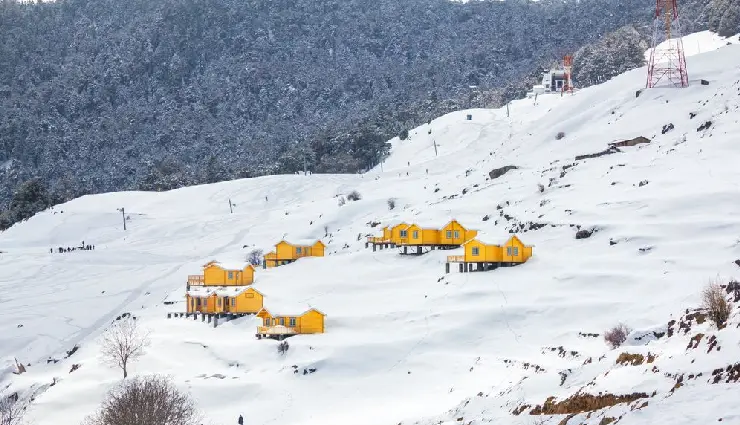
Nearby Attractions Around Badrinath Dham
- Auli – A renowned ski destination at 2,505 meters, ideal for adventure seekers.
- Valley of Flowers – A UNESCO World Heritage Site known for its stunning blooms, best visited in July.
- Hemkund Sahib – A revered Sikh pilgrimage site, accessible via a trek.
- Charan Paduka – A sacred rock bearing Lord Vishnu’s footprints, 2 km trek from Badrinath.
- Vasudhara Falls – A majestic 400-ft glacier waterfall, 9 km from Badrinath.
- Tapt Kund – A natural hot spring where devotees bathe before entering the temple.
- Bheem Pul – A massive stone bridge placed by Bheem over the Saraswati River.
- Narad Kund – Believed to be the place where Adi Shankaracharya found the idol of Badrinarayan.
- Vyas Gufa – Cave where Sage Ved Vyas narrated the Mahabharata to Lord Ganesha.
- Brahma Kapal – Ritual site for Pind Daan (funeral rites) to attain moksha for ancestors.
- Yog Dhyan Badri Temple – One of the seven Badri temples, installed by Pandu in a meditative posture.
- Mata Murti Temple – Dedicated to the mother of twin brothers, Nar and Narayan.
- Mana Village – The last village on the Indo-Tibet border, just 3 km from Badrinath.
- Pandukeshwar – Named after King Pandu, home to Yog Dhyan Badri Temple.
- Satopanth Lake – A glacial lake at 15,000 ft, where Brahma, Vishnu, and Mahesh are said to bathe on auspicious days.

What to Carry
- Woolen clothes – It remains cold throughout the year.
- First aid kit – Include motion sickness tablets, antiseptics, and bandages.
- Rain gear – Sudden rainfall or snowfall is common.
Best Time to Visit
The temple opens during Akshaya Tritiya (May) and closes on Bhai Dooj (October/November). The best time to visit is:
May to June
Early November before snowfall begins
During winter, the idol is shifted to Yog Dhyan Badri in Pandukeshwar and later to Narsingh Temple in Joshimath.