
- Home›
- Mates & Me›
- 15 Tips To Raise An Emotionally Intelligent Child
15 Tips To Raise An Emotionally Intelligent Child
By: Priyanka Maheshwari Sun, 05 Jul 2026 10:18:15
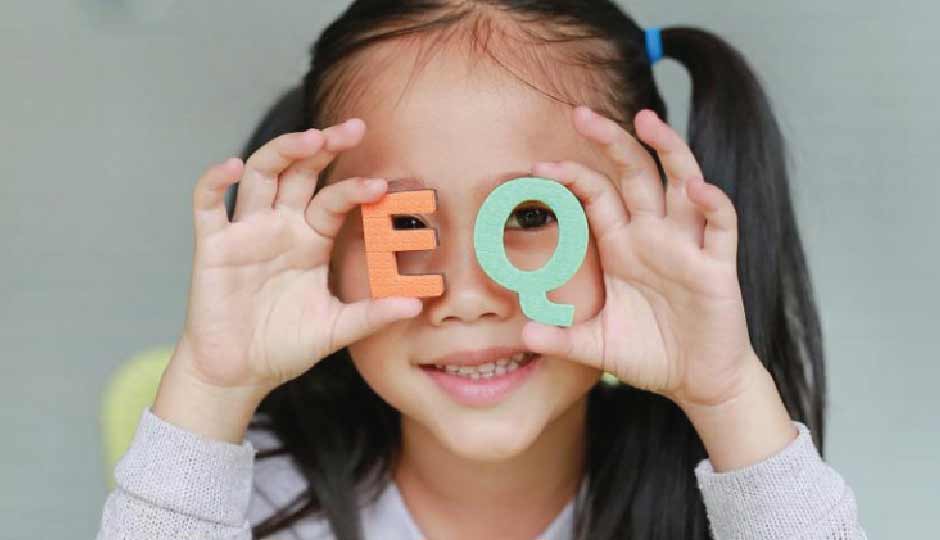
In today's fast-paced and highly connected world, academic success alone is no longer considered the only measure of a child's future well-being. Equally important is emotional intelligence—the ability to understand, express, and manage emotions while building healthy relationships with others. Raising an emotionally intelligent child means helping them develop self-awareness, empathy, resilience, effective communication skills, and emotional self-control from an early age.
Children with strong emotional intelligence are often better equipped to handle challenges, cope with stress, resolve conflicts, and form meaningful connections throughout their lives. These essential life skills are not inherited automatically; they are nurtured through everyday interactions, guidance, and positive role modeling. By creating a supportive and emotionally safe environment, parents and caregivers can help children grow into confident, compassionate, and emotionally balanced individuals who are prepared to thrive both personally and socially.
# Help Your Child Name Their Emotions
Children cannot manage emotions they do not understand.
Teach emotion words beyond "happy," "sad," and "angry."
Introduce feelings such as frustrated, disappointed, nervous, embarrassed, jealous, grateful, and proud.
Use everyday situations to identify emotions:
"You seem disappointed that the game ended."
"You look nervous about your test tomorrow."
The more vocabulary children have for emotions, the better they can communicate their needs.
# Validate Their Feelings Instead of Dismissing Them
Avoid phrases such as:
"Stop crying."
"It's not a big deal."
"You shouldn't feel that way."
Instead, acknowledge their experience:
"I can see you're upset."
"That must have felt disappointing."
"It's okay to feel angry."
Validation does not mean agreeing with every behavior; it means recognizing that the emotion itself is real.
# Model Healthy Emotional Behavior
Children learn emotional skills by observing adults.
Try to:
Express your own emotions calmly.
Admit mistakes and apologize.
Show healthy coping strategies.
Talk about your feelings appropriately.
For example:
"I'm feeling stressed right now, so I'm going to take a few deep breaths before we continue talking."
# Encourage Open Communication
Create an environment where children feel safe discussing their emotions.
Some ways to do this include:
Asking open-ended questions:
"What was the best part of your day?"
"What was the hardest part?"
Listening without immediately giving advice.
Avoiding criticism or judgment when they share difficult feelings.
# Teach Problem-Solving Skills
Instead of solving every problem for your child, guide them through solutions.
Use steps such as:
Identify the problem.
Discuss possible solutions.
Consider consequences.
Choose a solution.
Reflect on the outcome.
This builds confidence, resilience, and emotional regulation.
# Teach Empathy Actively
Empathy is a core component of emotional intelligence.
Help children consider other perspectives by asking:
"How do you think your friend felt?"
"What would you want someone to do if you were in their place?"
"How could you help them feel better?"
Reading stories and discussing characters' emotions can also strengthen empathy.
# Allow Children to Experience Disappointment
Protecting children from every frustration can limit emotional growth.
Healthy experiences include:
Losing a game.
Not getting selected for an activity.
Receiving constructive criticism.
Facing natural consequences.
These experiences teach resilience and emotional coping skills.
# Encourage Emotional Regulation Techniques
Teach children practical ways to calm themselves, such as:
Deep breathing exercises.
Counting slowly to ten.
Taking a brief break.
Drawing or journaling.
Physical activity.
Listening to calming music.
Practice these strategies during calm moments so they are easier to use during stressful situations.
# Avoid Labeling the Child
Instead of saying:
"You're so dramatic."
"You're shy."
"You're a bad kid."
Focus on behaviors:
"You reacted strongly because you were upset."
"You felt nervous in that situation."
Labels can become part of a child's identity and limit emotional growth.
# Encourage Independence and Responsibility
Allow children to:
Make age-appropriate decisions.
Help with household tasks.
Manage small responsibilities.
Learn from mistakes.
This builds confidence, accountability, and emotional maturity.
# Practice Gratitude and Positive Reflection
Help children develop emotional balance by encouraging them to notice positive experiences.
Try activities such as:
Sharing three good things that happened each day.
Writing gratitude notes.
Discussing acts of kindness they experienced or performed.
# Teach Healthy Conflict Resolution
When disagreements occur, teach children to:
Listen without interrupting.
Express feelings respectfully.
Avoid blaming language.
Work toward compromise.
Apologize sincerely when necessary.
These skills improve relationships throughout life.
# Limit Emotional Overstimulation
Children often struggle emotionally when they are:
Overtired
Over-scheduled
Hungry
Constantly exposed to screens
Ensure they have:
Adequate sleep
Physical activity
Unstructured playtime
Opportunities for face-to-face interaction
# Praise Effort and Emotional Growth
Instead of only praising achievements, recognize emotional skills:
"You stayed calm when you were frustrated."
"I'm proud of how kindly you treated your friend."
"You showed courage by talking about your feelings."
This reinforces emotional competence rather than perfection.
# Build a Strong Emotional Connection
The foundation of emotional intelligence is a secure relationship with caregivers.
Spend regular one-on-one time with your child:
Play together.
Read together.
Talk without distractions.
Show affection and attention consistently.
Children who feel emotionally safe are more likely to develop empathy, resilience, self-awareness, and healthy relationships.