- Home›
- Mates & Me›
- 9 Signs And Symptoms Of Trauma In Children
9 Signs And Symptoms Of Trauma In Children
By: Priyanka Maheshwari Sun, 05 Jul 2026 10:18:20
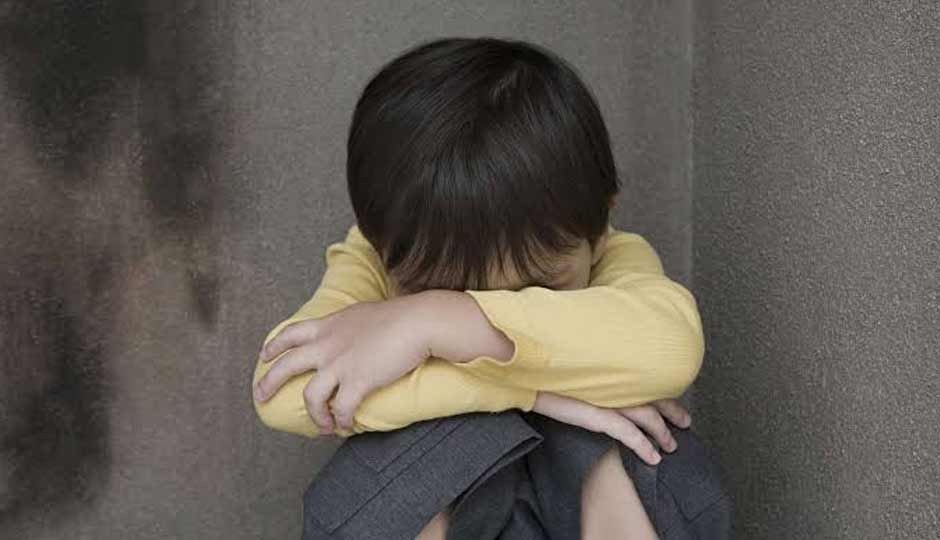
Trauma in children refers to the emotional, psychological, and physical responses that occur after a child experiences or witnesses a distressing, frightening, or overwhelming event. Such experiences may include abuse, neglect, violence, accidents, natural disasters, serious illness, the loss of a loved one, or other adverse events that exceed a child's ability to cope. Childhood trauma can significantly affect a child's emotional well-being, behavior, learning, relationships, and overall development. The impact of trauma varies depending on the child's age, personality, support system, and the nature and duration of the traumatic experience. Recognizing the signs and symptoms of trauma early is essential to providing appropriate support and intervention, helping children recover and develop healthy coping skills.
Children who experience trauma may exhibit a wide range of emotional, behavioral, physical, cognitive, and social symptoms. These reactions may appear immediately after the traumatic event or develop gradually over weeks, months, or even years. While some responses are temporary and part of a normal stress reaction, persistent symptoms may indicate the need for professional evaluation and support.
# Emotional Symptoms
Emotional changes are among the most common signs of trauma in children. Traumatic experiences can affect a child's sense of safety, trust, and emotional stability.
Anxiety and Fear
Children may become excessively worried, fearful, or anxious about their safety or the safety of their family members. They may develop new fears or become frightened by situations that previously did not bother them.
Sadness and Depression
Persistent sadness, crying spells, hopelessness, and a loss of interest in previously enjoyable activities may occur. Children may appear withdrawn, unmotivated, or emotionally flat.
Irritability and Anger
Trauma can cause children to become easily frustrated, angry, or aggressive. They may experience frequent emotional outbursts or have difficulty controlling their emotions.
Guilt and Shame
Some children blame themselves for the traumatic event, even when they had no control over what happened. Feelings of guilt, embarrassment, and shame can become overwhelming.
Emotional Numbness
Children may appear detached, unemotional, or disconnected from their surroundings. They may struggle to express feelings or show little emotional response to significant events.
# Behavioral Symptoms
Behavioral changes often serve as important indicators that a child is struggling to cope with trauma.
Increased Aggression
Children may become physically or verbally aggressive toward siblings, peers, or caregivers. They may display oppositional or defiant behaviors.
Social Withdrawal
Traumatized children may avoid social interactions, isolate themselves from friends and family, and lose interest in activities they once enjoyed.
Clinginess and Separation Anxiety
Younger children, in particular, may become excessively attached to parents or caregivers and experience intense distress when separated.
Regression
Trauma can cause children to revert to behaviors typical of an earlier developmental stage, such as:
Bedwetting
Thumb-sucking
Baby talk
Fear of sleeping alone
Increased dependence on caregivers
Avoidance Behaviors
Children may avoid places, people, conversations, or activities that remind them of the traumatic experience.
Risk-Taking Behaviors
Older children and adolescents may engage in dangerous activities, reckless behavior, substance use, or self-destructive actions as a way to cope with emotional distress.
# Physical Symptoms
Trauma often manifests through physical symptoms, even when no medical cause can be identified.
Sleep Problems
Children may experience:
Difficulty falling asleep
Frequent awakenings
Nightmares
Night terrors
Fear of going to sleep
Headaches and Stomachaches
Recurring headaches, abdominal pain, nausea, and other unexplained physical complaints are common responses to emotional stress.
Fatigue
Persistent tiredness, low energy levels, and difficulty engaging in daily activities may occur.
Changes in Appetite
Children may experience increased or decreased appetite, resulting in noticeable weight changes.
Hyperarousal
Some children remain in a constant state of alertness, appearing jumpy, restless, or easily startled.
# Cognitive Symptoms
Trauma can significantly affect how children think, learn, and process information.
Difficulty Concentrating
Children may struggle to focus, complete tasks, or pay attention in school and at home.
Memory Problems
Trauma can impair memory, causing children to forget important information or have difficulty recalling events.
Confusion and Disorientation
Some children may seem confused, distracted, or unable to process information effectively.
Negative Thinking Patterns
Children may develop beliefs such as:
"The world is unsafe."
"I cannot trust anyone."
"Bad things will always happen."
"I am responsible for what happened."
Academic Difficulties
A sudden decline in school performance, poor grades, and difficulty learning new material may be observed.
# Social Symptoms
Trauma can affect a child's ability to develop and maintain healthy relationships.
Difficulty Trusting Others
Children may become suspicious, fearful, or reluctant to form close relationships.
Social Isolation
They may withdraw from peers, avoid group activities, and spend more time alone.
Relationship Problems
Traumatized children may have frequent conflicts with parents, teachers, siblings, and friends.
Reduced Participation
Children may lose interest in hobbies, sports, extracurricular activities, and social events.
# Symptoms in Infants and Toddlers
Very young children often express trauma through changes in behavior and development rather than verbal communication.
Common signs include:
Excessive crying
Increased irritability
Sleep disturbances
Feeding difficulties
Separation anxiety
Increased clinginess
Developmental delays
Loss of previously acquired skills
Repetitive play involving frightening themes
# Symptoms in School-Age Children
School-age children may display symptoms such as:
Frequent fears and worries
Difficulty concentrating
Declining academic performance
Behavioral problems at school
Nightmares
Social withdrawal
Physical complaints
Emotional outbursts
Repetitive discussion or play related to the traumatic event
# Symptoms in Adolescents
Teenagers may react differently to trauma due to their developmental stage and increasing independence.
Common symptoms include:
Depression
Anxiety
Irritability
Anger and aggression
Social withdrawal
Academic decline
Substance use
Risk-taking behaviors
Self-harm behaviors
Sleep disturbances
Feelings of hopelessness
Difficulty maintaining relationships
# Trauma-Related Stress Reactions
Some children experience persistent trauma symptoms that interfere with daily functioning and may be associated with conditions such as Post-Traumatic Stress Disorder. Common trauma-related reactions include:
Intrusive memories or flashbacks
Distressing dreams or nightmares
Avoidance of trauma reminders
Emotional distress when reminded of the event
Hypervigilance
Exaggerated startle response
Persistent feelings of fear or danger
Difficulty regulating emotions