Mumbai’s ‘Marathi Takka’ After 25 Years Of Power: Identity Awakening Or Political Tool?
By: Jhanvi Gupta Thu, 08 Jan 2026 3:33:41
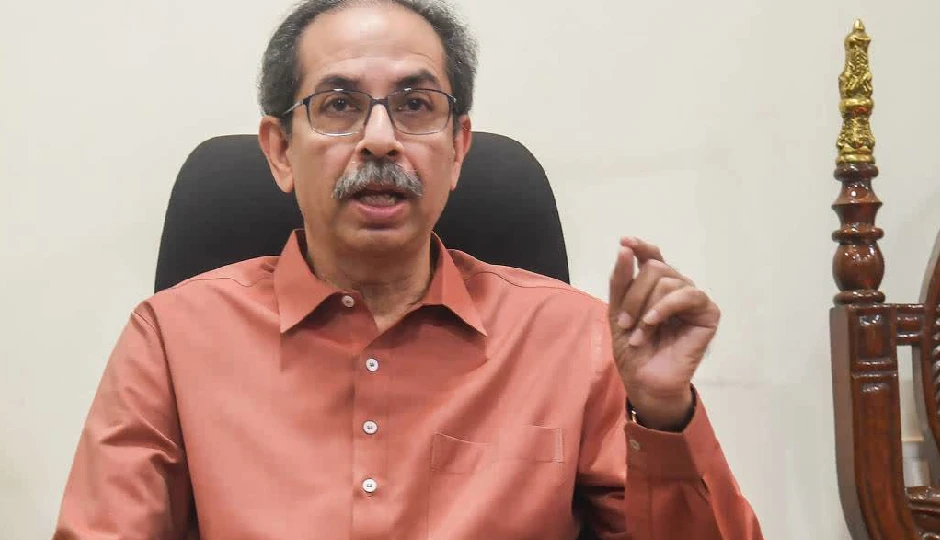
Mumbai may be celebrated as India’s financial powerhouse, but beneath its skyline of glass towers and global ambitions lies an unresolved question—what has happened to the city’s Marathi population? After nearly a quarter-century of Shiv Sena dominance in the Brihanmumbai Municipal Corporation under the leadership of Uddhav Thackeray, the debate over the status of the “Marathi manoos” has resurfaced with renewed intensity.
At the heart of this discussion is a simple yet uncomfortable question: did prolonged control over the civic body translate into lasting economic security, cultural confidence and social stability for Marathi residents, or did it coincide with their gradual marginalisation? As Mumbai prepares for another round of civic elections, this question is no longer confined to political rivalries—it has become part of everyday conversations among Marathi families across the metropolitan region.
For many young Marathi citizens, identity today is not just about language or legacy. It is tied to tangible concerns—affordable housing, access to quality education, stable employment and the ability to continue living within the city their families helped build. While the emotional memory of the Samyukta Maharashtra movement and the sacrifice of 106 martyrs still resonates strongly, lived realities increasingly clash with symbolic narratives.
A Changing Political Climate and Restless Voters
With elections approaching, political discourse has once again returned to familiar themes of Marathi pride and protection. Speeches invoke the defence of the “Marathi manoos,” but voter sentiment appears more cautious and questioning than in the past.
Many families that stood firmly with Shiv Sena for generations are now openly evaluating whether decades of loyalty produced concrete outcomes. Older residents remember assurances of housing security and preferential access to municipal jobs. In contrast, younger commuters—spending hours packed into local trains—speak of soaring rents, contractual employment and shrinking opportunities within the public system.
This shift does not necessarily indicate political realignment, but it reflects a growing unease. The emotional connect remains, yet expectations have evolved, and patience appears thinner.
Economic Participation and the Limits of Power
One of the sharpest criticisms relates to economic inclusion. The Brihanmumbai Municipal Corporation operates with an annual budget exceeding ₹50,000 crore—a figure that has cumulatively reached staggering proportions over the last 25 years. Critics argue that such financial power should have created a strong class of Marathi entrepreneurs, contractors and professionals.
Yet questions persist about who truly benefited from civic spending. Large-scale infrastructure projects—roads, bridges, drainage networks—offer lucrative contracts, but allegations suggest that access remained restricted to a small circle of entrenched players. Many Marathi engineers, contractors and business owners claim they struggled to break into this ecosystem.
Observers note a troubling pattern: while Marathi workers are highly visible in informal and small-scale businesses, their representation diminishes sharply in high-value civic contracts and decision-making spaces.
From Mill Culture to Luxury Redevelopment
The transformation of Mumbai’s geography has also reshaped its social fabric. Neighbourhoods like Lalbaug, Parel, Dadar, Sewri and Girgaum were once the backbone of Marathi working-class life. Built around textile mills, these areas nurtured deep-rooted cultural traditions through chawls, theatre groups, festivals and labour movements.
Over the last two-and-a-half decades, mill closures and redevelopment projects altered this landscape dramatically. Industrial chimneys gave way to premium offices and luxury residences. Authorities pledged that displaced mill workers would be rehabilitated on the same land, but many former residents argue that the promise remained largely unfulfilled.
Complex eligibility criteria, prolonged delays and rising costs forced thousands of Marathi families to relocate to distant suburbs and satellite towns such as Virar, Badlapur, Karjat and Kasara—effectively severing them from the city’s core.
Housing Stress and the Daily Migration
Today, a significant portion of Mumbai’s Marathi workforce lives outside the city limits, commuting daily from Thane, Palghar and Raigad districts. Four to five hours of travel has become routine, eroding quality of life and weakening community ties.
Critics contend that affordable housing initiatives under the Sena-led civic administration lacked either scale or execution. Redevelopment projects increased building heights but also raised maintenance charges beyond the reach of original residents. Many tenants say they were compelled to leave because they could not afford to stay in newly rebuilt complexes, while developers emerged as the clear winners of the process.
Language, Schools and Symbolism
The question of Marathi identity also intersects with education. While election campaigns routinely celebrate Marathi language and culture, education specialists point to the steady decline of BMC-run Marathi-medium schools.
Over the years, enrolment in civic Marathi schools reportedly dropped, while private English-medium institutions expanded rapidly. Critics argue that Marathi was elevated more as an emotional emblem than as a functional medium for upward mobility. As a result, urban Marathi parents increasingly turned to English education, viewing it as essential for their children’s future in a competitive economy.
An Electoral Reckoning in the Making
Supporters of Uddhav Thackeray highlight improvements in infrastructure, flyovers and city aesthetics during his tenure. However, assessments focused specifically on the Marathi community raise harder questions. Employment security, educational advancement and participation in high-value economic sectors remain unresolved challenges.
Among Marathi youth, a recurring sentiment is clear: emotional appeals do not resolve material hardships. Allegations related to commissions and personal gain have further weakened confidence. Political analysts believe a segment of Marathi voters may reassess long-standing loyalties, though the extent of this shift will become evident only after the civic polls.
For critics, the declining proportion of Marathi residents in Mumbai is not merely a demographic trend. It symbolises a deeper failure to protect space, opportunity and dignity for the community whose struggle ensured Mumbai became part of Maharashtra. As campaign rhetoric intensifies, Uddhav Thackeray and his party are likely to face sustained scrutiny over whether decades of civic power truly safeguarded the interests of the Marathi people—or merely invoked their identity when it suited political needs.