12 Dark And Powerful Deities From World Mythology You Should Know About
By: Priyanka Maheshwari Sun, 19 Jul 2026 12:10:11
Since ancient times, civilizations around the world have created fascinating stories about gods and goddesses who represented every aspect of life—from love and wisdom to war, death, and destruction. While many deities symbolize protection, justice, and prosperity, others are remembered for their fierce tempers, destructive powers, or their connection to the underworld and chaos.
These mythological figures were often feared rather than worshipped for blessings. Their legends reflect humanity's attempts to explain natural disasters, conflict, death, and the constant struggle between good and evil. In this article, we explore 12 of the most powerful and intimidating deities from different mythologies and discover why they continue to captivate people even today.
# Hades (Greek Mythology)
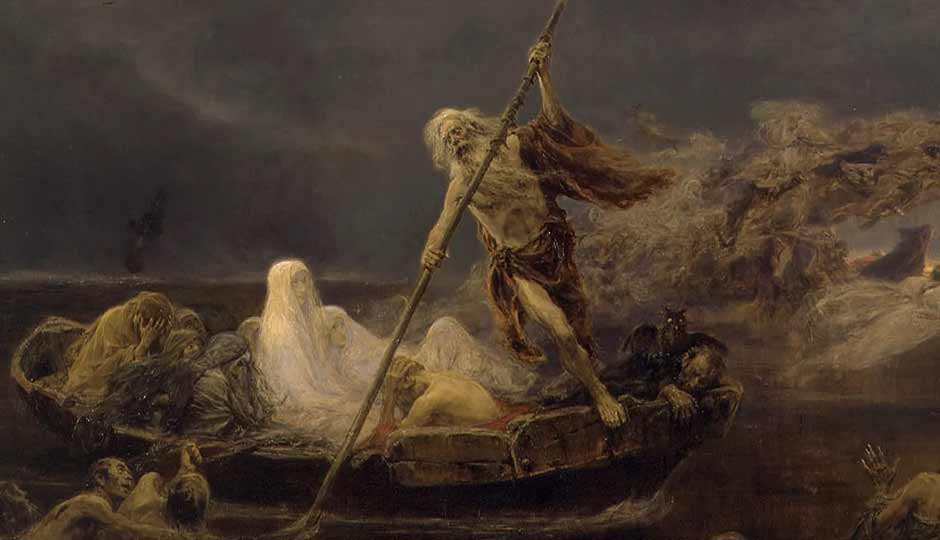
Hades is the ruler of the Greek underworld and guardian of the souls of the dead. Although he is commonly portrayed as a stern and mysterious deity, he was not considered evil in Greek mythology. Instead, he maintained order in the afterlife and ensured that the dead remained in his realm. His dark kingdom and association with death have made him one of mythology's most misunderstood gods.
# Loki (Norse Mythology)
Loki is the famous trickster god of Norse mythology. Clever, unpredictable, and often mischievous, he frequently causes problems for both gods and humans. His deceit and shape-shifting abilities eventually contribute to the events leading to Ragnarök, the legendary end of the world, making him one of the most controversial figures in Norse legends.
# Set (Egyptian Mythology)
Set, also known as Seth, is the Egyptian god associated with storms, deserts, chaos, and violence. He is best known for killing his brother Osiris in a struggle for power. Although feared for his destructive nature, Set also played the role of defending the sun god Ra against dangerous cosmic forces, making him a complex deity rather than purely evil.
# Kali (Hindu Mythology)
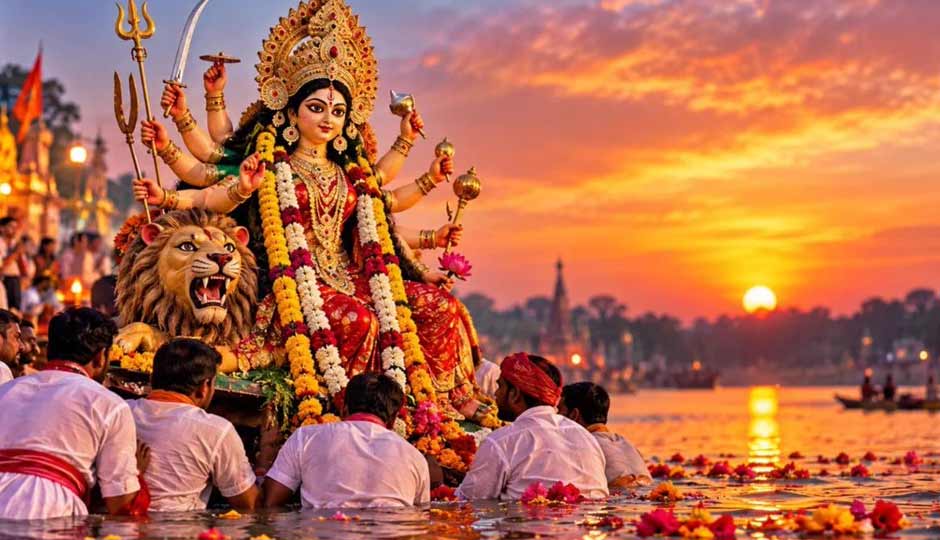
Kali is one of the most powerful goddesses in Hinduism. Her fierce appearance—with a garland of skulls, weapons, and a protruding tongue—symbolizes the destruction of evil and the triumph of truth over ignorance. Despite her terrifying form, Kali is deeply revered as a compassionate mother goddess and protector of her devotees. Her fierce image represents transformation and liberation rather than evil.
# Ahriman (Persian Mythology)
In Zoroastrian tradition, Ahriman (Angra Mainyu) represents the destructive force that opposes truth, goodness, and order. He embodies darkness, deception, and chaos and is locked in an eternal struggle against Ahura Mazda, the supreme deity of wisdom and light. His story symbolizes the ongoing battle between good and evil.
# Huitzilopochtli (Aztec Mythology)
Huitzilopochtli was the Aztec god of the sun and war. According to Aztec beliefs, he required strength and sacrifice to ensure the sun continued its daily journey across the sky. Rituals dedicated to him sometimes involved human sacrifice, reflecting the religious practices of the Aztec civilization rather than the deity alone.
# Moloch (Ancient Near Eastern Tradition)
Moloch is a controversial figure mentioned in ancient texts, particularly the Hebrew Bible, where he is associated with child sacrifice. Historians continue to debate whether Moloch was an actual deity or referred to a type of ritual practice. Regardless, he has become a lasting symbol of cruelty and forbidden worship in literature and popular culture.
# Sekhmet (Egyptian Mythology)
Sekhmet is the lion-headed Egyptian goddess of war, destruction, and healing. Known for her fierce power, she was believed capable of bringing devastating plagues but was also invoked to protect pharaohs and heal diseases. Her dual nature reflects both destruction and restoration.
# Tezcatlipoca (Aztec Mythology)
Tezcatlipoca was one of the most influential gods in Aztec mythology, associated with the night sky, destiny, sorcery, and conflict. Known for testing both gods and humans, he often challenged pride and ambition, making him a powerful yet unpredictable figure.
# Apep (Egyptian Mythology)
Apep, also called Apophis, is the giant serpent who represents chaos and darkness in Egyptian mythology. Every night, he attempts to swallow the sun god Ra during his journey through the underworld. Ra's victory over Apep each dawn symbolizes the triumph of light, order, and life over darkness and chaos.
# Eris (Greek Mythology)
Eris is the Greek goddess of discord and conflict. She is most famous for triggering the events that led to the Trojan War by throwing the Golden Apple inscribed "For the Fairest" among the goddesses. Her legends highlight the destructive consequences of jealousy, rivalry, and pride.
# Angra Mainyu (Zoroastrian Mythology)
Angra Mainyu is another name for Ahriman in Zoroastrian belief and represents the destructive spirit that opposes goodness, truth, and creation. Rather than a deity to be worshipped, he symbolizes the forces of evil that humanity must resist through righteous thoughts, words, and actions.