- Home›
- Hunger Struck›
- Easy To Make Urad Dal Dosa Recipe
Easy To Make Urad Dal Dosa Recipe
By: Priyanka Maheshwari Sun, 19 Jul 2026 12:04:24
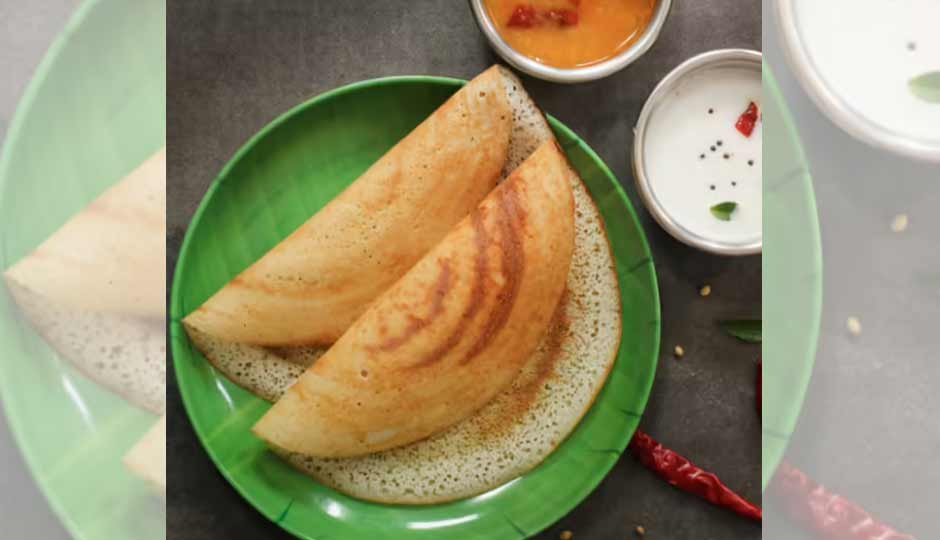
Dosa is one of the most popular and wholesome breakfast dishes, loved for its delicious taste and nutritional value. Although it originated in South India, it has become a favorite across the country, with numerous regional variations and unique preparation styles.
Split black gram, commonly known as urad dal, urad bean, uddu, or black matpe, is an important ingredient used in traditional dosa batter. In its whole form, it has a black outer skin, while the split and dehusked variety is creamy white. Urad dal has a soft, sticky texture when cooked and a mild, earthy flavor that enhances many Indian dishes.
Research published in the journal Bioinformation highlights that black gram is packed with essential nutrients, including protein, dietary fiber, flavonoids, and important minerals such as calcium, magnesium, iron, potassium, manganese, copper, and zinc. These nutrients contribute to its reputation as a highly nutritious staple food. Additionally, black gram is well known for its antioxidant properties, making it a valuable addition to a healthy and balanced diet.
Ingredients
For the Batter
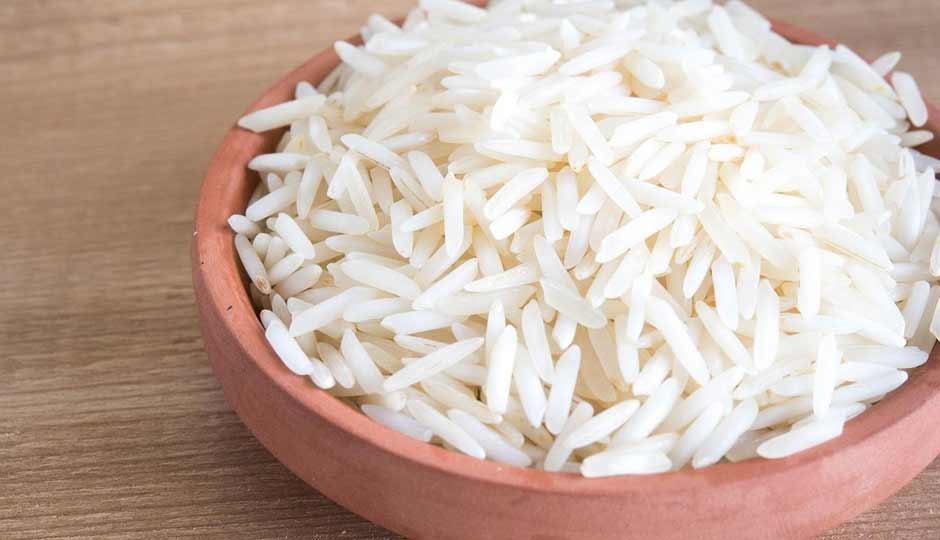
2 cups regular rice or dosa rice
1 cup split urad dal (white urad dal)
½ teaspoon fenugreek seeds (methi seeds)
2 tablespoons poha (flattened rice), optional for softer dosas
Salt to taste
Water, as required
For Cooking
Oil or ghee, as needed
Instructions
Step 1: Soak the Ingredients
Wash the rice thoroughly 3–4 times until the water runs clear.
Soak the rice along with the poha in enough water for 6–8 hours.
Wash the urad dal and fenugreek seeds separately and soak them together for 6–8 hours.
Step 2: Grind the Batter
Drain the soaked urad dal and reserve some of the soaking water.
Blend the urad dal into a smooth and fluffy batter by adding water gradually.
Grind the soaked rice into a slightly coarse or smooth paste, depending on your preference.
Combine both batters in a large bowl.
Add enough water to achieve a thick pouring consistency.
Mix the batter well using your hand for 2–3 minutes to help fermentation.
Step 3: Ferment
Cover the bowl with a lid, leaving some room for the batter to rise.
Keep it in a warm place for 8–12 hours or overnight.
The batter should increase in volume and develop tiny bubbles.
Add salt and gently mix before making the dosas.
Step 4: Make the Dosa
Heat a cast-iron or non-stick dosa tawa over medium heat.
Sprinkle a few drops of water on the pan. If they sizzle and evaporate immediately, the pan is ready.
Lightly grease the tawa with oil and wipe off the excess using a paper towel or half an onion.
Pour a ladleful of batter in the center and spread it outward in circular motions to form a thin dosa.
Drizzle a little oil or ghee around the edges and over the surface.
Cook on medium heat until the bottom turns golden brown and crispy.
Fold the dosa and remove it from the pan. Flip only if you prefer a well-cooked top side.