Baisakhi 2026 History And Rituals
By: Priyanka Maheshwari Tue, 07 Apr 2026 10:24:58
There’s something about Baisakhi that feels truly special. The air seems lighter, the celebrations more vibrant, and the joy almost contagious. For some, it’s a time of harvest and gratitude; for others, it holds deep spiritual meaning. But beyond the festivities, Baisakhi is really about fresh beginnings and a story that runs deeper than we often realise.
When Is Baisakhi 2026?
In 2026, Baisakhi will be celebrated on April 14 (Tuesday).
The festival usually falls on the 13th or 14th of April each year, as it marks Mesha Sankranti—the time when the Sun enters the Aries zodiac sign, signalling the start of the solar new year.
What Is Baisakhi and Why Is It Celebrated?
At its heart, Baisakhi is a harvest festival, when farmers thank God for a successful growing season and celebrate the harvest of crops, especially wheat.
However, Baisakhi is much more than an agricultural celebration. It carries deep cultural and spiritual significance, particularly for the Sikh community.
The Birth of the Khalsa
Baisakhi commemorates the formation of the Khalsa Panth in 1699 by Guru Gobind Singh Ji. This historic moment redefined Sikh identity, highlighting the values of equality, courage, and devotion.
A New Year Celebration
The festival also marks the Sikh New Year and aligns with the solar New Year in different parts of India, celebrated as Vishu, Pohela Boishakh, and Bihu.
Key Rituals and Traditions
Baisakhi beautifully blends devotion, celebration, and community spirit. Here’s how the day is typically observed:
1. Visiting Gurdwaras
Devotees visit gurdwaras to offer prayers, listen to hymns from the Guru Granth Sahib, and seek blessings.
2. Nagar Kirtan (Processions)
Colourful processions led by the Panj Pyare move through the streets, filled with devotional singing and enthusiasm.
3. Langar (Community Meal)
Free meals are served to everyone, symbolising equality, unity, and selfless service—core values of Sikhism.
4. Traditional Dance & Festivities
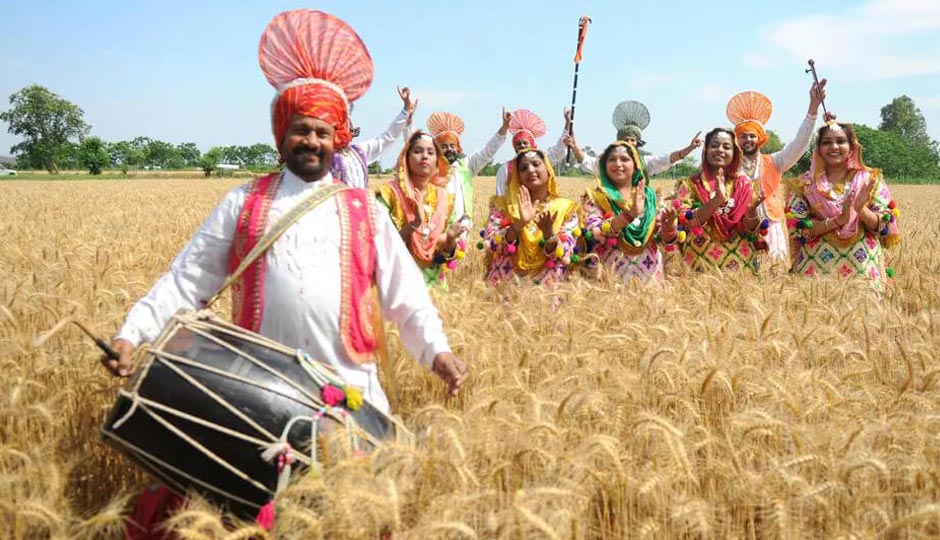
Celebrations spill outdoors with energetic folk dances like Bhangra and Gidda.
5. Harvest Celebrations
Farmers celebrate with fairs, music, and rituals such as Awat Pauni, bringing communities together during harvest time.
Cultural Significance
Baisakhi stands at the crossroads of faith, food, and festivity. It:
Celebrates hard work and harvest
Strengthens community bonds and equality
Marks new beginnings and fresh intentions
Reflects gratitude and togetherness
Across Punjab and beyond, the festival transforms streets into lively spaces filled with colour, music, and shared joy.
Why Baisakhi Still Feels Relevant Today
Even beyond its religious roots, Baisakhi carries a universal message—the importance of pausing to acknowledge growth.
In today’s fast-paced world, it gently reminds us:
to celebrate small achievements
to stay connected to our roots
and to embrace new beginnings without hesitation
Bottom Line
Baisakhi 2026, celebrated on April 14, is more than just a festival—it is a symbol of resilience, faith, and renewal. It beautifully brings together agriculture, spirituality, and community.
Whether you mark the day by visiting a gurdwara, sharing a meal at langar, or enjoying the rhythm of Bhangra, Baisakhi is a celebration that truly touches the soul.