
10 Amazing Facts About Stretch Marks No One Told You
By: Priyanka Maheshwari Wed, 17 Jun 2026 4:45:20
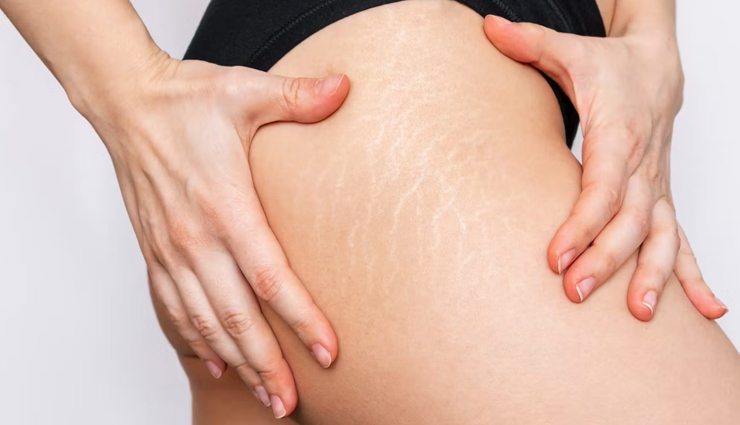
Stretch marks are an incredibly common skin concern, affecting nearly 80% of both men and women at some point in their lives. Although they are completely natural, many people still have questions about why they appear and whether anything can be done about them. Learning the facts behind stretch marks can help you better understand and manage this common change in your skin.
These visible lines or streaks develop when the skin expands more rapidly than it can comfortably accommodate. As the skin stretches, the deeper supportive structures are placed under pressure, resulting in marks that may appear indented or textured. A simple way to picture this is to imagine an overinflated balloon that loses air and develops wrinkles on its surface after being stretched beyond its capacity.
Many people associate stretch marks with specific areas such as the stomach, thighs, or hips, but they can actually develop almost anywhere on the body. They may appear on the arms, lower back, buttocks, shoulders, and even the breasts. Another important fact that often surprises people is that genetics can significantly influence whether you develop stretch marks and how noticeable they become over time.
Despite how common they are, stretch marks remain surrounded by misconceptions and unanswered questions. People frequently wonder whether losing weight will make the marks disappear completely or whether changes in color are normal. Some may notice their stretch marks appear gray, white, silver, red, or purple and become concerned about whether this variation is a sign of an underlying problem.
Another source of confusion is discomfort associated with newly developing stretch marks. Itching, tenderness, or mild irritation can sometimes occur as the skin changes, leading people to question whether something more serious is happening beneath the surface. Understanding what is normal can help reduce unnecessary worry.
One of the biggest mistakes people make is searching for a quick fix before taking the time to understand what stretch marks actually are. This often creates unrealistic expectations and can lead to frustration when products or treatments fail to deliver dramatic results overnight.
The truth is that stretch marks are a natural response to changes in the body. Factors such as growth spurts, pregnancy, rapid weight fluctuations, muscle gain, and hormonal changes can all contribute to their formation. Knowing these causes can make it easier to approach the condition with realistic expectations.
It's also worth remembering that the appearance of stretch marks evolves over time. Fresh stretch marks often look darker and more noticeable, while older ones tend to fade and become lighter in color. This gradual transformation is a normal part of the skin's healing process.
Rather than focusing solely on finding a cure, it is often more helpful to learn how stretch marks develop and what influences their appearance. A better understanding of the condition can help you make informed decisions about skincare and treatment options.
So before believing every myth or miracle solution you come across, take a closer look at the facts. Here are 10 surprising truths about stretch marks that many people never hear about—but definitely should.
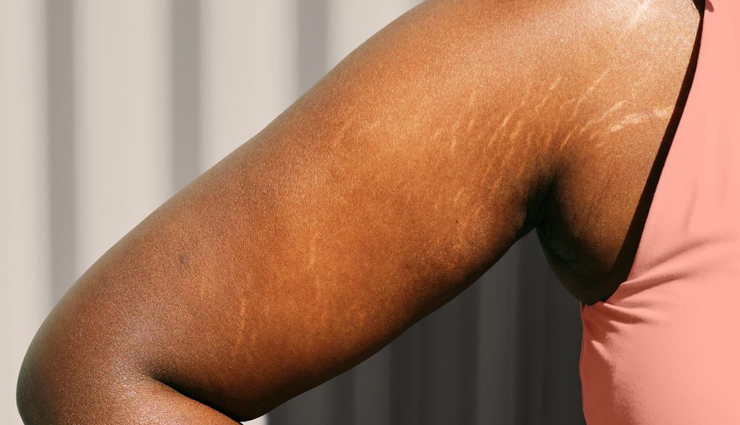
# Hormones Play a Major Role
Your hormone levels influence the production of elastin and collagen in your skin. When these hormones fluctuate, skin elasticity decreases, making stretch marks more likely to appear.
# Losing Weight Won’t Make Them Disappear
If your stretch marks have fully matured (reaching the alba stage), no amount of exercise will erase them. However, if they are still in the early stages, weight loss can help reduce their appearance.
# Genetics Has the Upper Hand
Despite following a strict skincare routine—staying hydrated, exercising, and moisturizing—some people still develop stretch marks. In many cases, genetics determines your susceptibility to them.
# Stretch Marks Are Permanent
Unlike regular scars, stretch marks cannot be completely removed. While treatments can lighten their pigmentation and smooth out rough texture, full clearance is only possible through cosmetic procedures.
# Creams Aren’t Miracle Workers
According to studies, tretinoin (a vitamin A derivative) is the only ingredient shown to improve stretch marks. Other creams, despite their bold claims, often fail to deliver significant results.
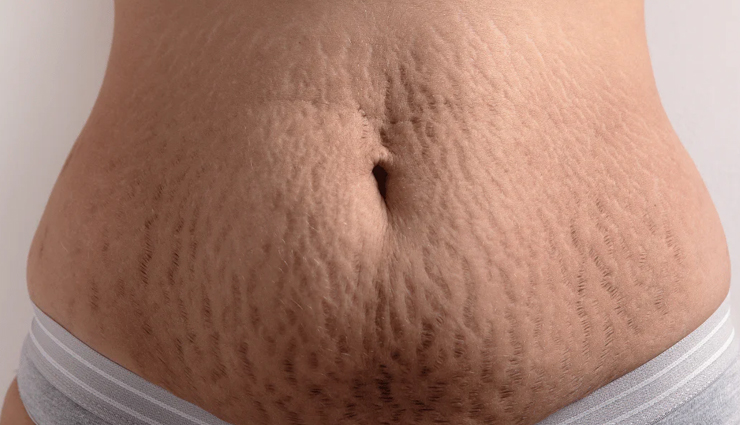
# Steroids Can Increase the Risk
Steroid use—whether in pill form or as topical creams—raises cortisone levels in the body. This weakens skin elasticity, making stretch marks more likely to form.
# They Can Appear Anywhere
Stretch marks don’t just develop on the stomach or thighs. They can appear on your elbows, lower back, breasts, and even intimate areas!
# They Can Be Intensely Itchy
For some, stretch marks start as reddish-purple streaks before fading to silver. Others experience severe itching and even scabbing as the marks develop.
# They Can Signal an Underlying Condition
Certain medical conditions, like Cushing’s syndrome and Marfan syndrome, disrupt hormone levels and break down proteins, making the skin more vulnerable to stretch marks.
# No Insurance Will Cover It
Because stretch marks are classified as a cosmetic concern rather than a medical issue, insurance providers won’t cover treatments—no matter how persistent you are!