
10 Effective Home Remedies To Treat Dry Skin In Toddlers During Winter
By: Priyanka Maheshwari Tue, 24 Nov 2026 12:53:32
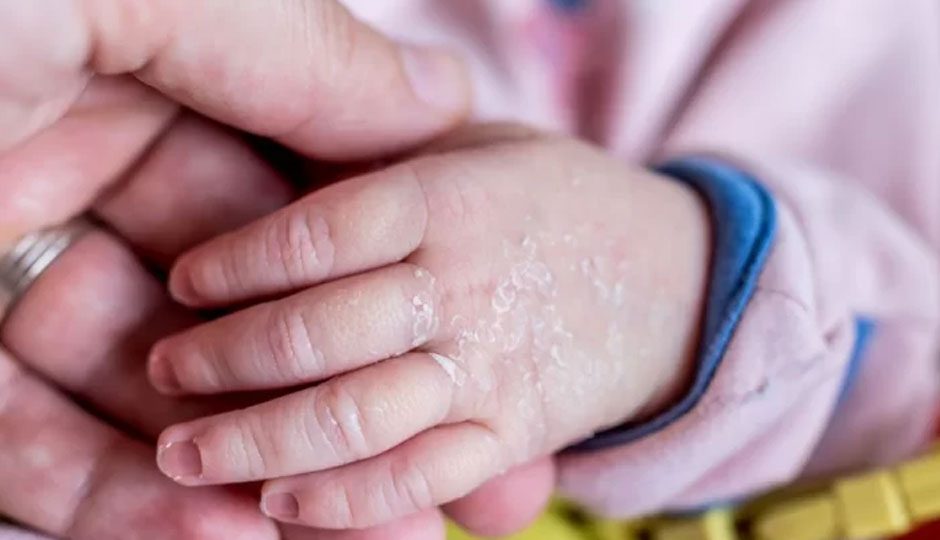
Winter can be particularly challenging for toddlers' delicate and sensitive skin. As temperatures drop and humidity levels decrease, the skin tends to lose moisture more quickly, leading to dryness, rough patches, itching, flaking and sometimes redness. Toddlers have a more delicate skin barrier than adults, making them especially vulnerable to winter-related dryness. Frequent bathing, exposure to cold winds, hot water and indoor heating can further worsen the problem.
Dry skin in toddlers is common, but it should not be ignored, as excessive dryness can cause discomfort and may sometimes lead to irritation or eczema flare-ups. Fortunately, parents can manage mild winter dryness with gentle skincare practices and simple home remedies.
From applying fragrance-free moisturisers and using lukewarm water to choosing gentle cleansers and maintaining indoor humidity, several steps can help keep your toddler's skin soft, smooth and hydrated throughout winter. Here are 10 effective and toddler-friendly home remedies to help protect your little one's skin from winter dryness.
1. Apply a Thick, Fragrance-Free Moisturiser
One of the simplest and most effective ways to treat dry skin in toddlers is to moisturise regularly. During winter, the skin loses moisture quickly, so applying a suitable moisturiser helps maintain its natural protective barrier.
How to use:
- Choose a thick, fragrance-free moisturising cream or ointment suitable for toddlers.
- Apply it all over the body, especially on dry areas such as the cheeks, elbows, knees, hands and legs.
- Apply moisturiser immediately after bathing while the skin is still slightly damp.
- Repeat at least twice daily or whenever the skin feels dry.
Why it helps: Thick creams and ointments help lock moisture into the skin, reduce roughness and prevent excessive dryness. Petroleum jelly is another inexpensive option for particularly dry patches.
2. Use Coconut Oil to Moisturise Dry Skin
Coconut oil is traditionally used in many Indian households to moisturise dry skin. It contains fatty acids that help soften the skin and reduce moisture loss. However, it should be used carefully, particularly if your toddler has sensitive skin or eczema.
How to use:
- Choose plain, fragrance-free coconut oil.
- Apply a small amount to a limited area of clean skin.
- Gently massage without rubbing or applying pressure.
- Observe the skin for any redness, itching or irritation.
- Stop using it if any reaction develops.
Why it helps: Coconut oil can help soften dry skin and provide a protective layer. However, it should not replace a proven fragrance-free moisturising cream, particularly when dryness is severe.
Tip: Avoid coconut oil if your child has previously reacted to it. For children with eczema-prone skin, ask a paediatrician before introducing new oils.
3. Give Your Toddler a Lukewarm Water Bath
Bathing habits play an important role in maintaining healthy skin during winter. Although a warm bath may feel comforting, hot water can remove the skin's natural protective oils and make dryness worse.
How to follow this remedy:
- Use lukewarm water instead of hot water.
- Keep bath time short, preferably around 5–10 minutes.
- Avoid frequent use of soap on the entire body.
- Choose a mild, fragrance-free cleanser.
- Gently pat the skin dry using a soft cotton towel.
- Apply moisturiser within three minutes of bathing.
Why it helps: Lukewarm baths help clean the skin without unnecessarily stripping away its natural oils. Applying moisturiser immediately afterwards helps seal in moisture.
4. Try a Colloidal Oatmeal Bath
Colloidal oatmeal is finely ground oatmeal commonly used in skincare products for dry, itchy and sensitive skin. It can help soothe irritated skin and provide temporary relief from itching.
How to use:
1. Purchase a commercially prepared colloidal oatmeal bath product suitable for children.
2. Add the recommended quantity to a tub of lukewarm water according to the product instructions.
3. Allow your toddler to soak for approximately 10–15 minutes.
4. Gently pat the skin dry without rubbing.
5. Apply a thick, fragrance-free moisturiser immediately afterwards.
Why it helps: Colloidal oatmeal can soothe itchy, dry skin and make bathing more comfortable.
Precautions: Never leave your toddler unattended in the bathtub. Oatmeal can make the tub slippery, and the bathwater should never be hot. Avoid this remedy if your child has a known oatmeal allergy.
5. Apply Petroleum Jelly to Extremely Dry Areas
Petroleum jelly is a useful option for protecting particularly dry areas of a toddler's skin. It creates a protective layer that reduces moisture loss and helps prevent further dryness.
How to use:
- Take a small amount of plain, fragrance-free petroleum jelly.
- Apply a thin layer to dry areas such as elbows, knees, heels and hands.
- Use it after applying a moisturising cream if additional protection is needed.
- Apply before bedtime to help protect dry skin overnight.
Why it helps: Petroleum jelly works as an occlusive moisturiser, meaning it helps prevent water from escaping from the skin.
Tip: Avoid applying thick layers around the nose and mouth where your toddler may lick or ingest the product.
6. Dress Your Toddler in Soft Cotton Clothes
The clothes your toddler wears can significantly affect skin comfort during winter. Rough fabrics, tight clothing and excessive layering can cause friction, sweating and irritation.
How to follow this remedy:
- Choose soft, breathable cotton clothing.
- Use comfortable cotton inner layers beneath winter sweaters.
- Avoid direct contact between rough woollen fabrics and sensitive skin.
- Choose loose-fitting clothes that do not rub against the skin.
- Change damp clothes immediately.
- Wash clothes with fragrance-free, gentle laundry detergent.
Why it helps: Soft cotton fabrics reduce friction and allow better airflow, helping minimise irritation and discomfort.
Tip: Dress your toddler in layers rather than excessively thick clothing to prevent overheating and sweating.
7. Use a Humidifier to Maintain Indoor Moisture
Indoor air can become particularly dry during winter, especially when heaters are used. Low humidity can contribute to moisture loss from your toddler's skin.
Using a cool-mist humidifier can help maintain a more comfortable indoor environment.
How to use:
- Place a cool-mist humidifier in your toddler's bedroom.
- Follow the manufacturer's instructions for cleaning and maintenance.
- Use clean water and empty the tank regularly.
- Keep the humidifier out of your toddler's reach.
- Avoid excessive humidity and condensation in the room.
Why it helps: Maintaining comfortable indoor humidity can reduce the drying effects of winter air and support skin comfort.
8. Keep Your Toddler Hydrated
Adequate fluid intake is important for toddlers' overall health and well-being. Children may drink less water during winter because they do not feel as thirsty as they do in summer.
How to follow this remedy:
- Offer water regularly throughout the day.
- Include water-rich foods such as oranges, watermelon, cucumber and soups when age-appropriate.
- Continue breastfeeding or provide milk according to your toddler's usual dietary needs.
- Offer fluids after outdoor play and physical activity.
- Encourage regular drinking rather than waiting until your toddler feels thirsty.
Why it helps: Adequate hydration supports normal body functions and overall health. However, drinking additional water alone will not cure dry skin; regular moisturising remains essential.
9. Use a Gentle, Fragrance-Free Cleanser
Regular soaps, strongly scented body washes and bubble baths can strip away natural oils from delicate toddler skin. Switching to a mild cleanser can help reduce irritation and prevent further dryness.
How to follow this remedy:
- Choose a mild, fragrance-free cleanser designed for sensitive skin.
- Avoid antibacterial soaps for routine bathing unless recommended by a doctor.
- Use cleanser only on areas that need cleaning.
- Avoid scented bubble baths and strongly perfumed products.
- Rinse the skin thoroughly with lukewarm water.
- Apply moisturiser immediately after bathing.
Why it helps: Gentle cleansing helps maintain the skin's natural protective barrier and reduces exposure to ingredients that may cause irritation.
10. Protect Your Toddler's Skin Before Going Outdoors
Cold winds and low winter temperatures can make dry skin more uncomfortable. Protecting exposed skin is particularly important when taking your toddler outside.
How to follow this remedy:
- Apply a suitable moisturiser before going outdoors.
- Cover your toddler's hands with comfortable mittens.
- Use soft cotton clothing beneath winter layers.
- Protect exposed cheeks from cold winds with appropriate clothing.
- Avoid keeping your toddler outside for extended periods in very cold weather.
- Apply moisturiser again after washing the hands and face.
Why it helps: Covering exposed skin reduces direct contact with cold air and wind, helping minimise irritation and moisture loss.