
- Home›
- Healthy Living›
- 10 Effective Home Remedies To Relieve Ankle Pain Naturally
10 Effective Home Remedies To Relieve Ankle Pain Naturally
By: Priyanka Maheshwari Tue, 24 Nov 2026 12:46:25
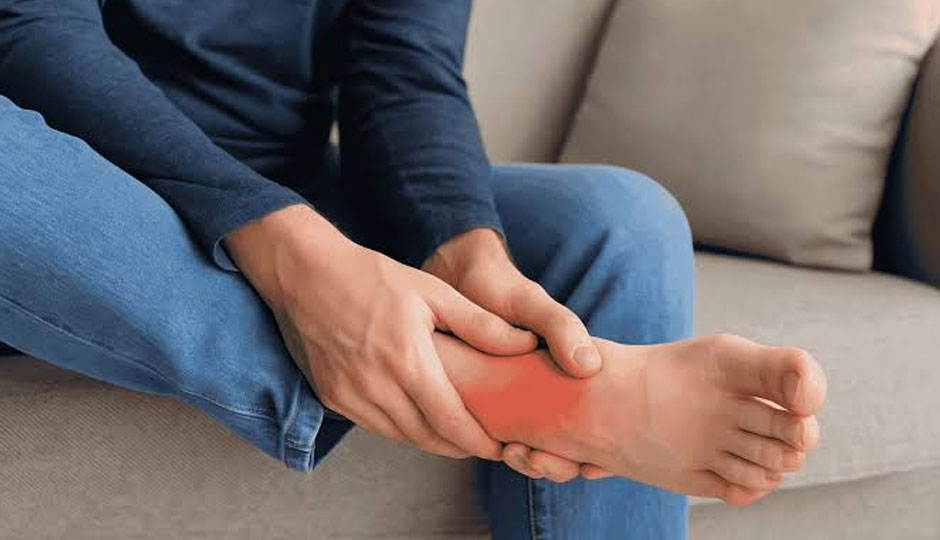
Ankle pain is a common problem that can affect people of all ages. Whether it occurs after walking for long hours, standing throughout the day, exercising, wearing uncomfortable footwear, or accidentally twisting your foot, ankle discomfort can make everyday activities challenging. Simple movements such as walking, climbing stairs, standing, and even getting out of bed can become painful when your ankle is swollen or stiff.
Ankle pain can develop due to several reasons, including muscle strain, ligament injuries, sprains, arthritis, inflammation, overuse, or improper footwear. While severe or persistent ankle pain may require medical attention, mild discomfort caused by overuse or minor strain can sometimes be managed with appropriate home care.
Fortunately, several simple home remedies may help reduce ankle pain, ease swelling, improve comfort, and support recovery. From cold compresses and gentle stretching to elevation and supportive footwear, these approaches can help manage mild ankle discomfort. However, the right remedy depends on the underlying cause of the pain.
Here are 10 effective home remedies to help relieve ankle pain naturally.
1. Apply an Ice Pack to Reduce Pain and Swelling
Applying an ice pack is one of the simplest ways to manage ankle pain, especially when discomfort is accompanied by swelling or develops after a minor injury.
Cold therapy helps temporarily numb the affected area and reduce pain. It can also help control swelling during the early stages of an ankle sprain.
How to use:
- Wrap a few ice cubes or a cold pack in a clean, thin towel.
- Place it gently over the painful ankle.
- Leave it in place for approximately 15–20 minutes.
- Repeat every 2–3 hours during the first 24–48 hours after an injury, if needed.
- Never apply ice directly to your skin.
Why it helps: Cold temperatures can reduce pain sensations and help limit swelling after an acute injury.
2. Soak Your Feet in Warm Water
A warm water soak may help relax tight muscles and relieve stiffness around the ankle. It can be particularly comforting when ankle discomfort is associated with muscle tension or general stiffness rather than a recent injury.
Warm water encourages relaxation and may temporarily improve comfort.
How to use:
1. Fill a small tub with comfortably warm water.
2. Check the temperature before placing your feet inside.
3. Soak your feet for 10–15 minutes.
4. Gently dry your feet with a clean towel.
5. Avoid using very hot water.
Why it helps: Warmth can relax surrounding muscles and temporarily ease stiffness.
Important: Avoid warm water soaking during the first 48–72 hours after a fresh ankle injury if swelling is present. Heat may worsen swelling. People with reduced foot sensation or circulation problems should also avoid hot soaks.
3. Elevate Your Ankle to Reduce Swelling
If your ankle becomes swollen after prolonged standing, walking, or a minor sprain, elevating your foot can help reduce fluid accumulation around the affected area.
This is an easy home remedy that requires nothing more than a comfortable place to rest and a few pillows.
How to use:
- Lie down comfortably on your bed or sofa.
- Place two or three pillows beneath your lower leg.
- Keep your ankle elevated above the level of your heart when possible.
- Maintain this position for 15–20 minutes.
- Repeat several times throughout the day.
Why it helps: Elevation uses gravity to encourage fluid to move away from the swollen ankle, potentially reducing discomfort and swelling.
4. Try Gentle Ankle Exercises and Stretching
Lack of movement, muscle tightness, and stiffness can sometimes contribute to ankle discomfort. Gentle exercises may help maintain joint mobility and improve flexibility.
However, exercise should only be attempted when it does not increase pain. Avoid stretching an ankle immediately after a significant injury.
Some simple exercises include:
- Ankle circles: Sit comfortably and slowly rotate your foot clockwise and anticlockwise five times in each direction.
- Ankle pumps: Point your toes gently away from your body and then bring them towards you. Repeat 10 times.
- Toe movements: Spread your toes gently and relax them several times.
- Calf stretching: Stand facing a wall, place one foot behind the other, and gently lean forward while keeping the back heel on the floor. Stop if you experience ankle pain.
Why it helps: Gentle movement can maintain flexibility, reduce stiffness, and support the gradual recovery of ankle function.
5. Massage the Surrounding Area Gently
A gentle massage around the ankle and foot may help relax tight muscles and provide temporary relief from discomfort. It can be particularly useful when pain is associated with muscle fatigue or prolonged standing.
How to use:
1. Sit in a comfortable position.
2. Apply a small amount of unscented moisturising lotion or massage oil.
3. Gently massage the surrounding foot and calf muscles.
4. Use slow, light movements for approximately 5–10 minutes.
5. Avoid pressing directly on painful, swollen, bruised, or injured areas.
Why it helps: Gentle massage can promote relaxation and temporarily ease muscle tension.
Important: Do not massage a freshly injured or significantly swollen ankle. Avoid massage if you suspect a fracture, blood clot, or infection.
6. Use Compression to Support the Ankle
A compression bandage or ankle support can help control swelling and provide additional support when walking after a minor ankle sprain.
Compression is especially helpful when the ankle feels slightly unstable or swollen.
How to use:
- Choose an appropriate elastic compression bandage.
- Wrap it around your ankle with gentle, even pressure.
- Avoid making the bandage excessively tight.
- Remove or loosen it if you experience numbness, tingling, increased pain, or changes in skin colour.
- Remove it before sleeping unless a healthcare professional advises otherwise.
Why it helps: Gentle compression can limit swelling and provide support to the affected area.
7. Wear Comfortable and Supportive Footwear
The footwear you choose can have a significant impact on ankle comfort. Shoes that are too tight, too loose, or lack proper support may increase pressure on your feet and ankles.
If you regularly experience ankle pain, consider changing your everyday footwear.
What to do:
- Choose comfortable shoes with good cushioning.
- Look for adequate arch and heel support.
- Avoid wearing high heels for extended periods.
- Replace worn-out shoes that no longer provide sufficient support.
- Avoid walking barefoot on hard surfaces if it aggravates your pain.
Why it helps: Proper footwear supports the feet and may reduce unnecessary stress on the ankles during everyday activities.
8. Include Turmeric in Your Daily Diet
Turmeric contains curcumin, a naturally occurring compound that has been studied for its anti-inflammatory properties. Including turmeric in your regular diet may support overall health, although drinking turmeric milk or applying turmeric paste directly to the ankle is not a proven treatment for ankle injuries.
How to include turmeric in your diet:
- Add a small amount of turmeric powder to vegetables, soups, or lentils.
- Prepare a glass of warm milk with a pinch of turmeric.
- Include turmeric in your regular home-cooked meals.
Why it may help: Curcumin has anti-inflammatory properties, but evidence that ordinary dietary turmeric directly relieves ankle pain is limited.
People taking blood-thinning medication or those with gallbladder problems should consult a healthcare professional before using concentrated turmeric supplements.
9. Maintain a Healthy Weight
Excess body weight can increase the mechanical load placed on the feet and ankles. Over time, this additional pressure may contribute to joint discomfort, particularly during walking, running, and climbing stairs.
Maintaining a healthy weight can help reduce unnecessary stress on the ankle joints.
What you can do:
- Include fruits and vegetables in your daily meals.
- Eat protein-rich foods such as lentils, beans, eggs, and dairy products.
- Choose low-impact activities such as swimming or stationary cycling if comfortable.
- Avoid sudden increases in walking or exercise intensity.
- Maintain a balanced diet and stay physically active within your comfort level.
Why it helps: Managing body weight can reduce the load on weight-bearing joints and may improve mobility over time.
10. Give Your Ankle Adequate Rest
Sometimes, ankle pain develops because of excessive physical activity, prolonged standing, running, or walking. In such situations, giving your ankle adequate rest is an important part of recovery.
Rest does not necessarily mean avoiding all movement. Instead, it involves temporarily reducing activities that increase discomfort.
What to do:
- Avoid running, jumping, and strenuous exercise while experiencing pain.
- Reduce prolonged standing and walking.
- Take regular breaks during daily activities.
- Keep your ankle elevated if it is swollen.
- Gradually return to normal activities as pain improves.
Why it helps: Reducing excessive stress on the affected ankle allows irritated tissues to recover and helps prevent further aggravation.