12 Effective Home Remedies To Reduce Dark Skin Around The Neck Naturally
By: Priyanka Maheshwari Fri, 27 Nov 2026 10:30:13
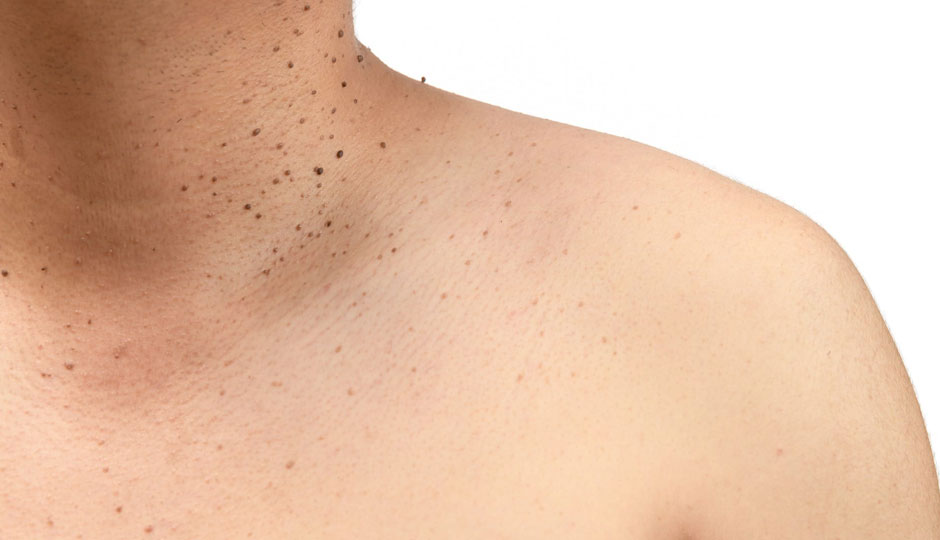
Darkness around the neck is a common skin concern that can make the neck appear darker than the face. It may develop due to sun exposure, friction, dead skin buildup, irritation, hormonal changes or certain underlying health conditions. While natural remedies may help soothe the skin and improve its appearance, identifying the actual cause is important for achieving better results.
If you are looking for ways to reduce neck pigmentation naturally, these gentle home remedies and skincare practices may help.
1. Aloe Vera Gel
Aloe vera is known for its soothing and moisturizing properties. It may help calm irritated skin and maintain skin hydration. Although it is not a proven treatment for pigmentation, it can be a useful addition to a gentle skincare routine.
How to use:
1. Take fresh aloe vera gel or plain, fragrance-free aloe vera gel.
2. Apply a thin layer to the clean neck area.
3. Leave it on for 15–20 minutes.
4. Rinse with lukewarm water.
5. Repeat once daily if your skin tolerates it.
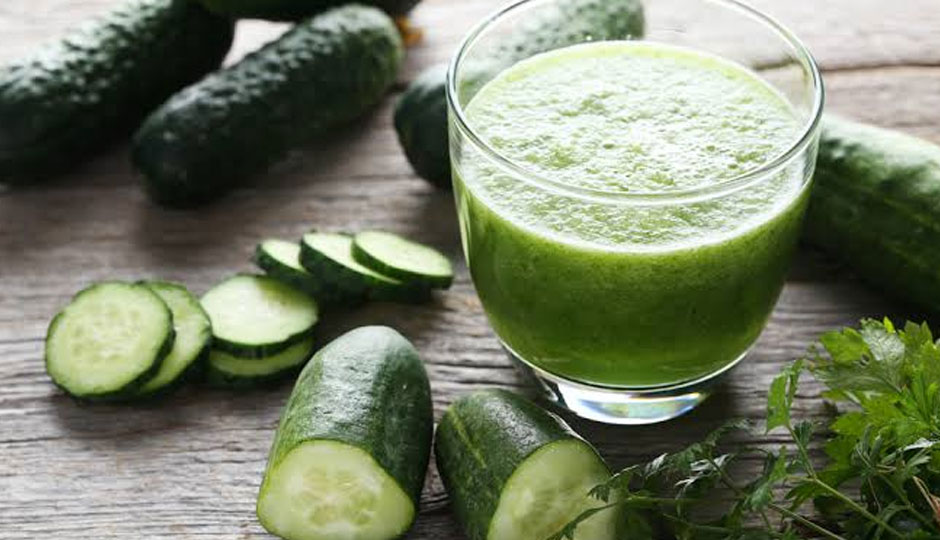
2. Cucumber Juice
Cucumber has a cooling effect and can help soothe irritated skin. Its high water content also provides light hydration, making it suitable for refreshing the neck area.
How to use:
1. Grate a fresh cucumber.
2. Extract its juice using a clean cloth.
3. Apply the juice gently to the darker neck area.
4. Leave it on for 10–15 minutes.
5. Wash with cool water.
Use this remedy three to four times a week.
3. Oatmeal and Water Paste
Oatmeal is a gentle skincare ingredient with soothing properties. It can help cleanse the skin without the harsh effects of aggressive exfoliation.
How to use:
1. Grind plain oatmeal into a fine powder.
2. Mix one tablespoon of oatmeal powder with enough water to make a smooth paste.
3. Apply it gently to your neck.
4. Leave it on for 5–10 minutes.
5. Rinse without scrubbing.
Use once or twice weekly.
4. Plain Yogurt
Plain yogurt contains lactic acid, which is associated with gentle exfoliation. However, the concentration of lactic acid in homemade yogurt is unpredictable, and its effectiveness against pigmentation has not been established.
How to use:
1. Take one tablespoon of plain, unsweetened yogurt.
2. Apply a thin layer to the neck.
3. Leave it on for 5–10 minutes.
4. Rinse thoroughly with water.
Use occasionally and discontinue if you experience burning, itching or redness.
5. Rose Water
Rose water can provide light hydration and a refreshing feeling. It may help soothe the skin, although it does not directly remove pigmentation.
How to use:
1. Choose alcohol-free rose water.
2. Apply it gently using clean hands or a cotton pad.
3. Allow it to dry naturally.
4. Follow with a gentle moisturizer.
You can use it once daily if your skin tolerates it.
6. Potato Juice
Potato juice is a popular traditional home remedy for dark spots. However, there is insufficient scientific evidence that it effectively reduces pigmentation.
How to use:
1. Wash and grate a small potato.
2. Extract its juice.
3. Test a small amount on a patch of skin first.
4. If there is no irritation, apply it briefly to the neck.
5. Wash it off after 5–10 minutes.
Avoid using it on irritated, sensitive or broken skin.
7. Coconut Oil for Dry Skin
Coconut oil is a natural moisturizer that can help reduce moisture loss and soften dry skin. However, it does not directly treat pigmentation.
How to use:
1. Take a few drops of pure coconut oil.
2. Apply a thin layer to dry neck skin.
3. Massage gently without rubbing.
4. Leave it on overnight if your skin tolerates it.
Avoid this remedy if it causes irritation or clogged pores.
8. Milk Compress
Milk contains small amounts of lactic acid, which is associated with mild exfoliation. Applying milk to the neck is not a proven pigmentation treatment, but a brief compress may provide a soothing experience.
How to use:
1. Take a little plain milk.
2. Dip a soft cotton pad into it.
3. Gently apply it to the neck.
4. Leave it for approximately five minutes.
5. Rinse thoroughly with water.
Avoid this method if you have sensitive or irritated skin.
9. Use a Gentle Moisturizer
Dryness and repeated friction can make the neck appear uneven in tone. Applying moisturizer regularly helps maintain the skin barrier and prevent dryness.
How to use:
1. Clean your neck using a mild cleanser.
2. Apply a fragrance-free moisturizer.
3. Choose products containing glycerin, ceramides or hyaluronic acid.
4. Repeat twice daily.
Consistent moisturizing can improve skin texture and comfort.
10. Apply Sunscreen Every Morning
Sun exposure can worsen existing pigmentation and make dark patches more noticeable. Sunscreen is one of the most important steps for preventing further sun-related darkening.
How to use:
1. Choose a broad-spectrum sunscreen with SPF 30 or higher.
2. Apply it evenly to your neck every morning.
3. Cover the front, back and sides of your neck.
4. Reapply every two hours when outdoors and after swimming or excessive sweating.
Regular sunscreen use can help prevent further pigmentation.
11. Avoid Friction and Harsh Scrubbing
Repeated friction can irritate the skin and contribute to pigmentation. Rough scrubbing may worsen the problem instead of improving it.
What to do:
- Avoid tight collars that repeatedly rub against your neck.
- Do not scrub your neck with rough towels or loofahs.
- Avoid harsh soaps and strongly fragranced skincare products.
- Pat your neck dry instead of rubbing it.
- Choose comfortable, breathable clothing.
Gentle skincare habits can help prevent further irritation.
12. Maintain a Balanced Diet and Stay Hydrated
A balanced diet supports overall skin health. Although no particular food can specifically remove neck pigmentation, consuming nutrient-rich foods helps maintain normal skin function.
Include these foods in your daily diet:
- Vitamin C-rich foods: Oranges, amla, guava and strawberries.
- Vitamin E-rich foods: Almonds, sunflower seeds and peanuts.
- Green vegetables: Spinach, broccoli and other leafy vegetables.
- Protein-rich foods: Lentils, beans, eggs and yogurt.
- Healthy fats: Walnuts, flaxseeds and chia seeds.
Drink adequate water throughout the day to maintain normal hydration