12 Festivals Of North East India You Must Attend
By: Priyanka Maheshwari Fri, 27 Nov 2026 10:15:20
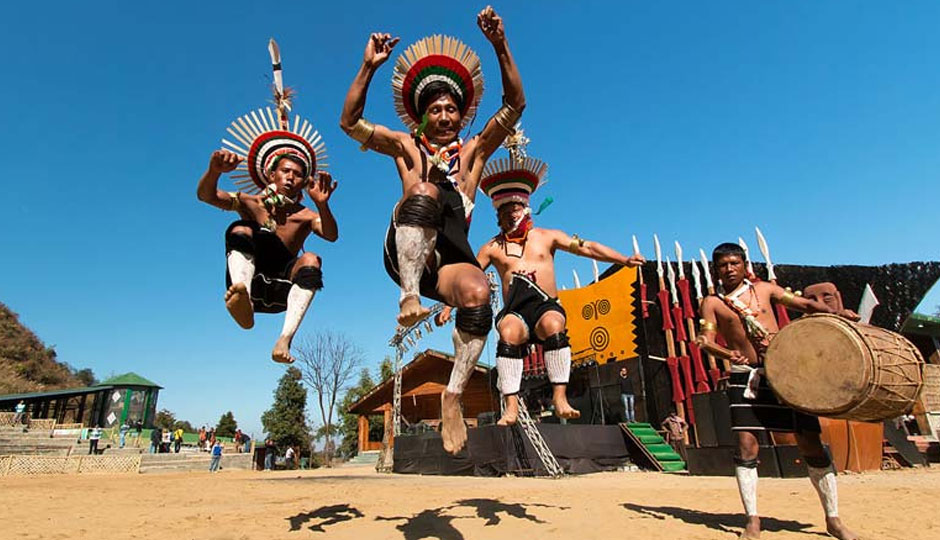
The North East of India is a region where celebrations are woven into everyday life. From the rhythmic beats of drums in remote hill villages and harvest gatherings filled with traditional rice beer to masked dances performed by monks in mountain monasteries, every festival offers a glimpse into the region's rich cultural heritage. Colourful handwoven garments, age-old rituals and lively community celebrations make these occasions truly memorable. The festivals of North East India are not events organised simply to attract tourists. They are deeply rooted traditions that communities have preserved and celebrated for generations.
Each festival reflects the region's unique landscapes, changing seasons, beliefs and way of life. For travellers seeking authentic cultural experiences rather than ordinary sightseeing, North East India offers plenty of reasons to explore. This guide introduces you to 12 remarkable festivals, along with the ideal time to experience them and useful tips for planning your journey.
The region is home to hundreds of ethnic communities, each with distinct languages, customs, religious beliefs and festive traditions. Agricultural seasons, ancestral rituals and Buddhist practices influence the celebrations throughout the year. What makes North East India festivals particularly fascinating is their community spirit. Visitors can often witness traditional performances, enjoy local food, explore village celebrations and experience the warmth of local hospitality.
From Nagaland's spectacular cultural showcase to Meghalaya's energetic harvest dances, this list covers some of the most interesting celebrations across the region. Since many festivals in North East India follow agricultural cycles or lunar calendars, their dates can change each year. Check with local tourism authorities before finalising your travel arrangements.
1. Hornbill Festival: Nagaland
Known as the Festival of Festivals, the Hornbill Festival is one of Nagaland's biggest cultural celebrations. It takes place from 1 to 10 December at Kisama Heritage Village, near Kohima. Travelling to Nagaland during this period gives visitors an opportunity to experience the traditions of different Naga tribes in one place. The festival features traditional war dances, folk music, indigenous sporting competitions, handicraft exhibitions and local food. Smoked pork, bamboo shoot preparations and other regional specialities are among the culinary highlights. It is an excellent opportunity to understand Nagaland's diverse tribal heritage.
2. Bihu: Assam
Bihu is among the most important cultural festivals of Assam and is celebrated on three major occasions throughout the year. An Assam holiday offers the opportunity to experience all three celebrations, each associated with a different agricultural season.
Rongali Bihu, celebrated in April, welcomes the Assamese New Year with energetic dances, traditional songs and community festivities. Kongali Bihu takes place in October and is marked by the lighting of traditional lamps and prayers for a good harvest. Bhogali Bihu, celebrated in January, is associated with the harvest season and features community feasts, bonfires and traditional food preparations. Together, these celebrations reflect the agricultural roots and cultural identity of Assam.
3. Sangai Festival: Manipur
Named after Manipur's state animal, the endangered brow-antlered deer known as Sangai, this festival celebrates the state's cultural and natural heritage. It is generally organised from 21 to 30 November in and around Imphal.
The Sangai Festival brings together traditional Manipuri dance, indigenous sports, martial arts demonstrations, handloom exhibitions and local food. One of its major attractions is Thang Ta, a traditional Manipuri martial art that combines sword and spear techniques. The festival provides visitors with an opportunity to discover Manipur's artistic traditions, indigenous craftsmanship and cultural diversity.
4. Losar Festival: Sikkim and Arunachal Pradesh
Losar marks the Tibetan New Year and is celebrated in February or March, depending on the Tibetan lunar calendar. It holds particular importance among Buddhist communities, including the Monpa people of Tawang and Tibetan Buddhist families across Sikkim.
Preparations begin with cleaning and decorating homes and monasteries. People offer prayers, prepare traditional dishes and visit monasteries to seek blessings for the coming year. Masked dances, religious ceremonies and family gatherings are important parts of the celebrations. For travellers interested in Himalayan Buddhist culture, Losar offers a fascinating introduction to centuries-old spiritual traditions.
5. Ziro Music Festival: Arunachal Pradesh
Set against the beautiful landscapes of Ziro Valley, the Ziro Festival of Music is one of India's best-known outdoor music festivals. Usually organised in September, it attracts independent musicians and music enthusiasts from across India and abroad.
The festival takes place in the homeland of the Apatani tribe, surrounded by green hills and picturesque rice fields. Visitors can enjoy live performances, camp under the open sky, sample local food and explore the valley's natural beauty. Travelling to Arunachal Pradesh around festival time combines contemporary music with an opportunity to discover the region's distinctive tribal culture and scenic surroundings.
6. Mopin Festival: Arunachal Pradesh
Celebrated on 5 April by the Galo community, Mopin is an important agricultural festival associated with prosperity, happiness and protection from evil spirits. The celebrations honour Goddess Mopin Ane, who is believed to bless people with abundance and well-being.
One of the most recognisable customs involves applying rice flour to one another's faces as a symbol of good fortune. Traditional Popir dances, folk songs and community gatherings add to the festive atmosphere. People also prepare rice cakes and share apong, a traditional fermented rice beverage. Mopin offers visitors an interesting glimpse into the agricultural traditions and social customs of the Galo community.
7. Chapchar Kut: Mizoram
Chapchar Kut is one of Mizoram's most cherished spring festivals. It is generally celebrated during the first week of March, following the clearing of forests for jhum, or shifting, cultivation.
The festival is known for its colourful traditional clothing, lively music and community performances. The Cheraw bamboo dance is a major attraction, with dancers moving gracefully between bamboo poles operated in rhythmic patterns. Chheih Lam performances, traditional songs and festive meals bring communities together. For travellers, Chapchar Kut is an excellent opportunity to experience Mizo culture and its strong connection with agricultural traditions.
8. Wangala Festival: Meghalaya
Popularly called the Hundred Drums Festival, Wangala is a major harvest celebration of the Garo community in Meghalaya. It is generally held in November, with prominent celebrations taking place near Tura.
The festival honours Misi Saljong, the Sun God, in thanksgiving for a successful harvest and blessings for prosperity. Its most exciting feature is the traditional group dance accompanied by the powerful beats of long drums. Dancers dressed in colourful traditional outfits and feathered headgear perform together, creating an energetic spectacle. A visit to Meghalaya during Wangala allows travellers to experience the region's distinctive music, dance and post-harvest traditions.
9. Myoko Festival: Arunachal Pradesh
Myoko is an important Apatani festival celebrated in the Ziro Valley, usually during March. It represents friendship, prosperity, social harmony and the bonds shared between neighbouring communities.
The celebrations involve traditional rituals, community feasts and visits between families and villages. People exchange food and gifts, while ritual ceremonies are performed to seek blessings for health and prosperity. Traditional animal sacrifices also form part of certain ceremonies. Unlike large commercial events, Myoko provides a closer look at the everyday customs, relationships and community values of the Apatani people.
10. Torgya Festival: Arunachal Pradesh
Held at the famous Tawang Monastery in January, Torgya is an important Buddhist festival celebrated by the Monpa community. Its purpose is to drive away negative influences, protect the community from misfortune and encourage peace and prosperity.
The three-day celebration is particularly known for its colourful Cham dances, in which monks wear elaborate masks and traditional costumes while performing religious movements. These dances represent the victory of good over evil and carry deep spiritual significance. Locals gather in the monastery courtyard to witness the ceremonies, offer prayers and participate in the celebrations. Torgya is an unforgettable experience for travellers interested in Buddhist traditions and Himalayan monastery culture.
11. Ambubachi Mela: Assam
Ambubachi Mela is one of the most significant religious gatherings in Assam. It takes place during June at the famous Kamakhya Temple in Guwahati and is associated with the annual menstruation of Goddess Kamakhya, symbolising fertility and the creative power of the earth.
The temple remains closed for three days during the ritual period and reopens on the fourth day following special ceremonies. Thousands of devotees, pilgrims, ascetics and spiritual seekers travel to Guwahati to participate in the event. The gathering creates a unique religious atmosphere around the temple, making it an important experience for those interested in India's spiritual traditions and Shakti worship.
12. Nongkrem Dance Festival: Meghalaya
The Nongkrem Dance Festival is one of the most important religious and cultural celebrations of the Khasi community. It is held over five days in November at Smit, near Shillong, and is associated with prayers for a prosperous harvest and the well-being of the community.
Women dressed in traditional silk garments and elaborate gold ornaments perform graceful dances, while men participate in energetic performances carrying swords and traditional weapons. The celebrations honour the goddess Ka Blei Synshar and feature music, rituals and traditional ceremonies. The festival offers travellers a wonderful opportunity to appreciate Khasi customs, traditional attire and the cultural heritage of Meghalaya.