
14 Amazing Benefits Of Rose Powder For Skin
By: Priyanka Maheshwari Tue, 27 Oct 2026 7:19:30
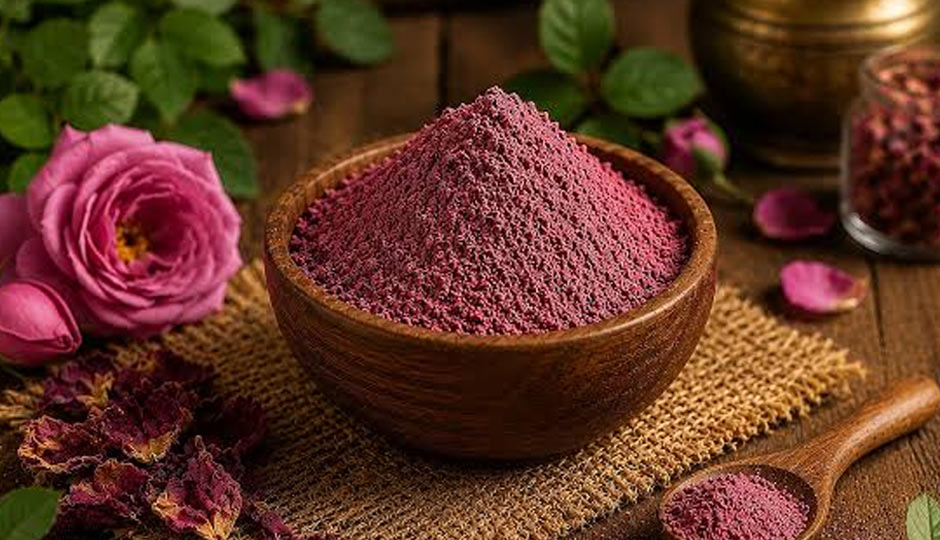
Rose powder is a popular natural skincare ingredient known for its soothing, refreshing and skin-conditioning properties. Made from dried rose petals ground into a fine powder, it is commonly used in homemade face packs, facial masks and traditional beauty treatments. Rich in plant compounds with antioxidant properties, rose powder can be a gentle addition to a skincare routine when used correctly.
Whether you want to improve your skin’s appearance, refresh a tired-looking complexion or enjoy a natural self-care ritual, rose powder can be combined with ingredients such as aloe vera, curd, honey and rose water to create simple DIY skincare treatments.
Let’s explore the potential benefits of rose powder for skin and how to use it safely.
1. Helps Soothe the Skin
One of the most appreciated benefits of rose powder is its potential to soothe the skin. Rose petals contain plant compounds that may have anti-inflammatory properties, although research on rose powder applied directly to human skin is limited.
When mixed with a gentle, hydrating ingredient, rose powder may help make the skin feel more comfortable and refreshed.
How to use: Mix one teaspoon of rose powder with enough plain aloe vera gel to form a smooth paste. Apply a thin layer, leave it on for 10 minutes and rinse gently.
2. Provides Antioxidant Benefits
Rose petals contain antioxidants, including various phenolic compounds and flavonoids. Antioxidants help neutralise free radicals, which can contribute to oxidative stress and premature skin ageing.
Rose powder may offer some antioxidant benefits as part of a skincare routine. However, the effectiveness depends on the rose variety, processing method and quality of the powder.
How to use: Combine rose powder with a little plain water or a fragrance-free moisturising gel for a simple face mask. Remember that sunscreen and a balanced skincare routine are more reliable ways to protect skin from environmental damage.
3. Helps Refresh Dull-Looking Skin
Pollution, inadequate sleep, dehydration and environmental exposure can make the skin appear tired or dull. A gentle rose powder face pack may leave the skin feeling refreshed and temporarily improve its appearance.
The improvement is generally cosmetic rather than a permanent change in skin tone.
How to use: Mix one teaspoon of rose powder with one teaspoon of plain yoghurt. Apply for 5–10 minutes and rinse with lukewarm water. Skip yoghurt if it irritates your skin or if you have a known dairy allergy.
4. Supports Skin Hydration When Combined With Moisturisers
Rose powder itself is not a proven moisturiser, but it can be incorporated into a hydrating face mask. Ingredients such as aloe vera gel and honey may help the skin feel softer by supporting moisture retention.
For dry skin, the moisturising ingredients in the mixture are likely to contribute more to hydration than the rose powder itself.
How to use: Mix a small quantity of rose powder with fragrance-free moisturising cream or aloe vera gel. Rinse if needed and follow with your usual moisturiser.
5. May Help Calm the Appearance of Redness
Skin redness can occur because of dryness, irritation, weather changes or inflammatory skin conditions. Rose-derived compounds have shown some promising properties in preliminary research, but rose powder has not been established as a treatment for redness or conditions such as rosacea.
A mild, carefully formulated rose powder mask may feel soothing for some people, but it can irritate sensitive skin.
How to use: If your skin tolerates it, mix a small amount of rose powder with a fragrance-free moisturising base. Avoid using it on inflamed, broken or irritated skin.
6. Helps Make Skin Feel Softer
A properly prepared face pack can leave the skin feeling smoother and softer, particularly when it contains hydrating ingredients. Rose powder can be used as one component of such a mask.
However, avoid rubbing the powder vigorously over your face. Rough particles and aggressive scrubbing can damage the skin barrier.
How to use: Mix rose powder with honey and a little water to make a smooth paste. Apply gently, leave on for about 5–10 minutes and rinse without scrubbing.
7. May Improve the Appearance of Uneven Skin Texture
Uneven texture can result from dryness, dead skin-cell buildup, acne and other skin conditions. Rose powder may contribute to a refreshing skincare treatment, but there is insufficient clinical evidence that it independently improves skin texture.
For rough or flaky skin, regular moisturising and gentle cleansing are usually more useful than abrasive DIY exfoliation.
How to use: Prepare a thin mask using rose powder and a gentle moisturiser. Avoid adding coarse sugar, salt or other harsh exfoliants.
8. May Help Support a Healthy-Looking Complexion
A healthy-looking complexion depends on adequate hydration, a functioning skin barrier, sun protection and appropriate skincare. Rose powder can be included in a personal-care routine, but it should not be considered a remedy for all skin concerns.
Its potential antioxidant and soothing properties make it an interesting botanical ingredient, although direct evidence for the benefits of homemade rose powder masks remains limited.
How to use: Mix rose powder with a simple, fragrance-free gel and use it occasionally if your skin tolerates it.
9. Can Be Used in a Gentle Face Pack for Oily Skin
People with oily skin may prefer lightweight face packs that do not leave a heavy or greasy residue. Rose powder can be mixed with water or a suitable lightweight gel to create a simple mask.
However, rose powder has not been proven to regulate sebum production or reduce oiliness over the long term.
How to use: Mix one teaspoon of rose powder with enough water to form a smooth paste. Leave it on for 5–10 minutes and rinse before the mask becomes uncomfortably dry. Follow with a lightweight, non-comedogenic moisturiser.
10. May Complement Acne-Friendly Skincare
Rose petals contain plant compounds that have been investigated for various biological properties, including antimicrobial activity in some laboratory studies. However, these findings do not establish that rose powder treats acne in humans.
Acne can be influenced by excess oil, clogged pores, hormones and inflammation. Rose powder should not replace proven acne treatments.
How to use: If you want to try rose powder, use a simple mixture without essential oils, lemon juice or harsh scrubbing ingredients. Stop immediately if you notice burning, itching or new breakouts.
For persistent acne, ingredients such as salicylic acid or benzoyl peroxide may be more appropriate, depending on your skin and the severity of your symptoms.
11. May Help Skin Look More Radiant
Radiant skin generally reflects good hydration, a smooth skin surface and consistent skincare. A rose powder mask may temporarily improve the appearance of the skin by leaving it feeling clean and conditioned.
There is no strong clinical evidence that rose powder alone produces a lasting glow or changes natural skin colour.
How to use: Mix rose powder with a small amount of honey and plain water. Apply for 5–10 minutes, rinse gently and moisturise afterwards.
12. Supports a Relaxing Self-Care Routine
Rose has a long history of use in beauty and personal-care traditions. Its pleasant natural fragrance can make a skincare routine feel relaxing, particularly when the powder is made from fragrant rose petals.
However, fragrance can trigger irritation or allergic reactions in some people. If you have sensitive skin, choose an unscented product or avoid rose-based products if they cause symptoms.
How to use: Add a small amount of rose powder to a simple face mask and use it as an occasional self-care treatment, provided your skin tolerates it.
13. Can Be Combined With Other Natural Skincare Ingredients
One advantage of rose powder is its versatility. It can be incorporated into different face-pack recipes depending on your skin's needs.
Here are some combinations you can consider:
- For dry skin: Rose powder with a fragrance-free moisturising cream.
- For oily skin: Rose powder with plain water or a lightweight gel.
- For a refreshing face pack: Rose powder with aloe vera gel.
- For softer-feeling skin: Rose powder with a small amount of honey.
- For normal skin: Rose powder with plain yoghurt, provided it is suitable for your skin.
Always introduce one new ingredient at a time. Natural ingredients can still cause irritation or allergic reactions.
14. May Help Maintain a Fresh, Well-Cared-for Appearance
Rose powder can be a useful addition to an occasional face mask if you enjoy botanical skincare. Used gently, it may help create a refreshing experience and leave the skin feeling soft, especially when combined with suitable moisturising ingredients.
Nevertheless, it is not a substitute for daily sunscreen, a gentle cleanser or a moisturiser suited to your skin type. Consistent basic skincare is generally more important than using multiple homemade face packs.