10 Historical Places Of Bihar You Can Visit
By: Priyanka Maheshwari Tue, 27 Oct 2026 10:39:40
Located in eastern India and sharing its northern border with Nepal, Bihar is a land steeped in history, culture, and spirituality. From magnificent forts and ancient monuments to sacred Buddhist pilgrimage sites, the state offers a fascinating glimpse into India's glorious past. Every historical landmark here has a unique story to tell, reflecting the region's rich cultural heritage and architectural brilliance.
With Patna as its capital, Bihar is home to numerous archaeological treasures and historical attractions that draw history enthusiasts, pilgrims, and curious travelers alike. Whether you wish to explore the legacy of ancient empires, discover remarkable architectural wonders, or visit places associated with Buddhism, Bihar promises an enriching travel experience. Here are 10 famous historical places in Bihar that deserve a place on your itinerary.
1. Tomb of Sher Shah Suri
Located in Sasaram, Bihar, the Tomb of Sher Shah Suri is an impressive monument dedicated to Sher Shah Suri, the Afghan ruler who defeated Mughal emperor Humayun and established the Sur Empire. Completed in 1545, the magnificent structure was designed by architect Alawal Khan and remains one of the finest examples of Indo-Islamic architecture in India.
Built primarily from red sandstone, the tomb rises approximately 122 feet above the surrounding landscape. Its grand dome, intricate architectural details, and imposing structure reflect the artistic excellence of the period. Surrounded by a picturesque artificial lake, the monument creates a striking visual impression, particularly when its reflection appears on the water. Sometimes called the “Second Taj Mahal of India,” the tomb is an important destination for travelers interested in medieval Indian history and architecture.
2. Mahabodhi Temple
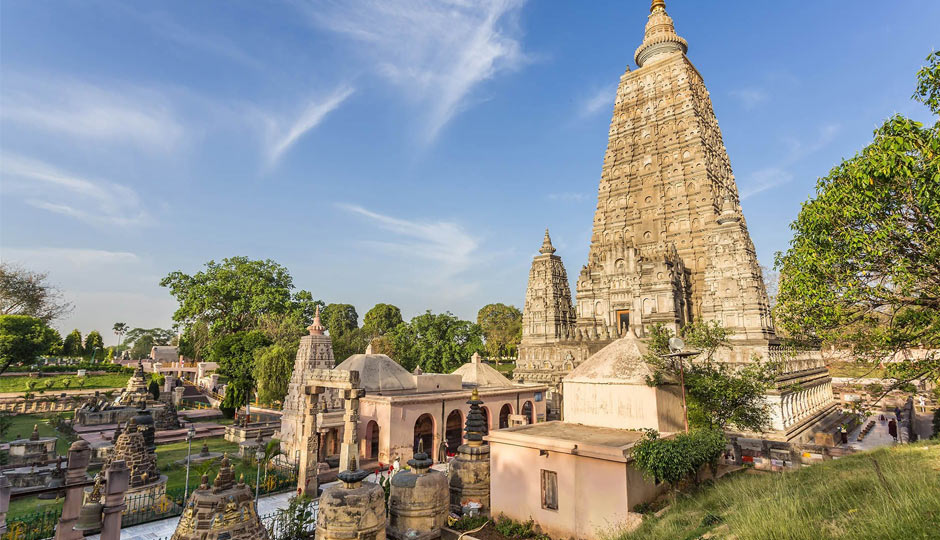
Situated in Bodh Gaya, the Mahabodhi Temple is among the most sacred Buddhist pilgrimage destinations in the world. It marks the place where Gautama Buddha is believed to have attained enlightenment while meditating beneath the Bodhi tree. Located approximately 110 km from Patna by road, this spiritual landmark attracts visitors from across India and beyond.
Recognized as a UNESCO World Heritage Site, the temple complex is celebrated for its historical importance, distinctive architecture, and peaceful atmosphere. The present temple structure reflects centuries of religious devotion, restoration, and architectural development. The sacred Bodhi tree and the surrounding meditation areas hold immense significance for Buddhist devotees. The temple also attracts visitors from other religious communities who come to experience its tranquil surroundings and learn about Buddha's teachings.
3. Vikramshila University
Located near Antichak in the Bhagalpur district, Vikramshila University represents one of the most remarkable chapters in India's ancient educational history. Established during the late eighth century by Pala ruler Dharmapala, this renowned Buddhist learning centre flourished under the Pala dynasty and became an important institution for Buddhist philosophy, logic, and other scholarly disciplines.
The university complex featured an impressive layout, including a large central monastery, prayer halls, and numerous cells for monks and scholars. It attracted students and teachers from different regions and played a significant role in the development of Buddhist scholarship.
Vikramshila eventually declined following invasions in the late twelfth century, with its destruction traditionally associated with Muhammad Bakhtiyar Khalji. Today, its archaeological remains offer valuable insights into ancient India's educational traditions and monastic architecture. The site is also associated with Vikramshila Mahotsav, a cultural festival celebrating the region's historical legacy.
4. Rohtasgarh Fort
Perched on the Kaimur Hills in Bihar's Rohtas district, Rohtasgarh Fort is an impressive historical stronghold known for its massive scale, strategic location, and architectural remains. Surrounded by rugged terrain and dense greenery, the fort offers a fascinating combination of history and natural beauty.
The fort is traditionally associated with the legendary King Rohitashva, son of Raja Harishchandra, although its history developed over several periods. It gained particular prominence during medieval times and is associated with rulers such as Sher Shah Suri. Its elevated position and formidable defences made it an important strategic site.
Visitors can explore the remains of historic gateways, palaces, temples, and other structures scattered throughout the complex. Notable attractions include Ganesh Temple, Rohtasan Temple, Aina Mahal, and the mausoleum of Habsh Khan. Reaching the fort requires navigating hilly terrain, so visitors should plan their journey carefully. For history lovers and adventure seekers, Rohtasgarh offers a memorable opportunity to explore Bihar's medieval heritage.
5. Ashokan Pillar at Vaishali
The Ashokan Pillar at Vaishali is an important monument that reflects the legacy of Emperor Ashoka and the spread of Buddhism across ancient India. Located in the historic region of Vaishali, the pillar is distinguished by its polished sandstone surface and the lion capital at its top.
Rising approximately 18 metres, the pillar is associated with Ashoka's efforts to commemorate places connected with Gautama Buddha and his teachings. The lion capital is a striking example of Mauryan craftsmanship and symbolises the enduring influence of Buddhism.
The monument stands near the ancient Buddhist site of Kolhua, where visitors can also explore archaeological remains and the peaceful Ramkund tank. The surrounding landscape adds to the site's spiritual atmosphere, making it a meaningful stop for travellers interested in Buddhist history, ancient Indian architecture, and archaeological heritage.
6. Golghar
Located in Patna, Golghar is one of Bihar's most recognisable historical landmarks. Built in 1786 under the supervision of Captain John Garstin, the structure was originally designed as a granary to help store grain following a devastating famine in the region.
Golghar's distinctive dome-shaped architecture resembles a stupa, giving it a unique appearance among the city's historical buildings. The massive structure stands approximately 29 metres tall and features an external spiral staircase with 145 steps. The staircase was designed to facilitate movement up and down the granary.
Although the original plan envisioned a large grain-storage facility, Golghar never became the fully functional granary originally intended. Today, it is a popular tourist attraction offering visitors an opportunity to appreciate its unusual architecture and historical significance. Its elevated position also provides views of Patna and the nearby Ganges River, making it a worthwhile stop on a city sightseeing tour.
7. Barabar Hill Caves
The Barabar Hill Caves, located in Bihar's Jehanabad district, are among the oldest surviving examples of rock-cut architecture in India. Dating mainly to the Mauryan period in the third century BCE, these remarkable caves provide valuable insights into the craftsmanship and religious traditions of ancient India.
The Barabar Hills contain four principal caves, while the nearby Nagarjuni Hills feature three additional caves. Several caves are associated with Emperor Ashoka and his grandson Dasharatha Maurya, who dedicated them to the Ajivika sect. Their smooth, polished granite interiors and carefully carved chambers demonstrate the remarkable technical skills of ancient artisans.
The caves are especially notable for their distinctive acoustics, simple yet striking interiors, and historical importance. They also influenced later developments in Indian rock-cut architecture. Visitors can explore the ancient chambers, admire the polished stone surfaces, and enjoy the rugged natural surroundings. The cooler months, particularly October to March, are generally suitable for visiting the site.
8. Ashokan Pillar at Kolhua
Situated at Kolhua near Vaishali, the Ashokan Pillar is another significant monument associated with Emperor Ashoka and the history of Buddhism in Bihar. The sandstone pillar, crowned by a lion capital, stands as a reminder of the Mauryan Empire's artistic achievements and the emperor's patronage of Buddhist teachings.
The site is traditionally connected with events from Buddha's life and his visits to the Vaishali region. Its historical surroundings include the remains of an ancient brick stupa and the archaeological site associated with the Kutagarshala monastery, which is linked to Buddha's stay in the area.
The peaceful setting makes Kolhua an appealing destination for pilgrims, historians, and travellers seeking to understand the region's Buddhist heritage. The pillar's craftsmanship and the nearby archaeological remains provide a glimpse into the religious and cultural life of ancient India.
Note: The Ashokan Pillar at Kolhua and the Ashokan Pillar at Vaishali mentioned above refer to the same monument and archaeological site.
9. Agam Kuan
Agam Kuan, meaning “unfathomable well,” is an ancient archaeological landmark located in Patna. Traditionally associated with Emperor Ashoka, the well is surrounded by legends and stories that have contributed to its mysterious reputation over the centuries.
The structure is believed to date back to the Mauryan period, although its precise origins and the legends surrounding it remain subjects of historical interest. Its unusual depth and ancient construction distinguish it from ordinary wells, while nearby religious shrines contribute to its cultural significance.
Agam Kuan is also an important destination for visitors interested in the historical traditions of Patna. Many people visit the site to learn about its connection with ancient Indian history and local beliefs. Its combination of archaeological importance, religious associations, and folklore makes it a fascinating addition to a Bihar heritage tour.
10. Bihar Museum
Located in Patna, the Bihar Museum offers a modern setting for exploring the state's extensive historical and cultural heritage. Unlike the ancient forts, temples, and archaeological sites found throughout Bihar, this contemporary museum presents the region's past through carefully curated collections and engaging exhibitions.
The museum houses a wide range of artefacts, including sculptures, archaeological discoveries, paintings, and objects that illustrate Bihar's artistic traditions and historical development. Its galleries explore different periods, helping visitors understand the region's contributions to Indian civilisation, religion, education, and culture.
The museum's contemporary architecture and thoughtfully designed exhibition spaces create an engaging experience for visitors of different ages. It is particularly useful for those who want an overview of Bihar's history before exploring its historical sites in person. Whether you are a history enthusiast, a student, or a curious traveller, the Bihar Museum offers an informative and enjoyable introduction to the state's rich cultural legacy.