Valmiki Jayanti 2026- Significance And Connection To Ramayan
By: Priyanka Maheshwari Mon, 26 Oct 2026 10:59:34
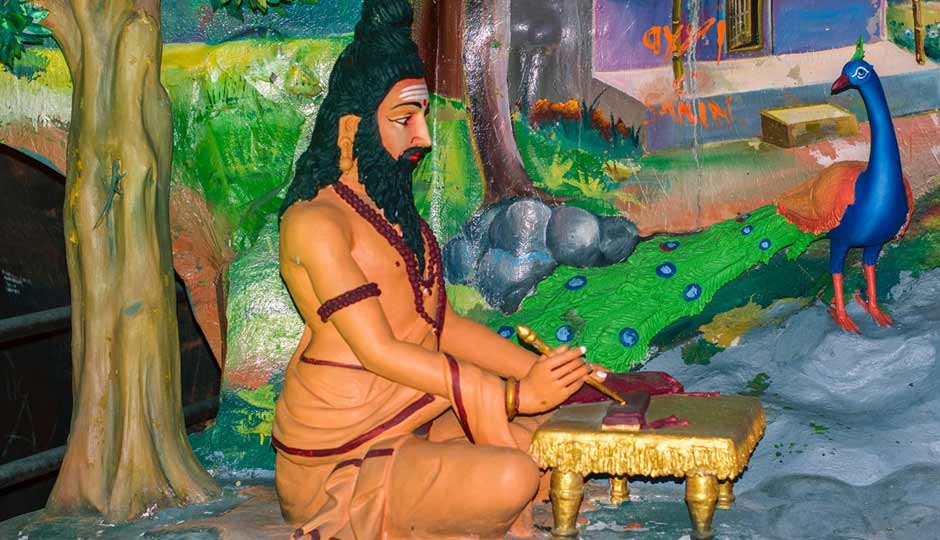
Valmiki Jayanti is a significant Hindu festival celebrated to mark the birth anniversary of Maharishi Valmiki, the revered sage traditionally credited with composing the Sanskrit epic Ramayana. Honoured as the Adi Kavi, or the first poet, Maharishi Valmiki has made an enduring contribution to Indian literature, spirituality, and cultural heritage.
The festival is observed across several parts of India through prayers, religious gatherings, Ramayana recitations, and devotional processions. It is also an occasion to remember the sage's literary legacy and reflect on the timeless values of truth, compassion, devotion, and righteousness conveyed through his teachings and works.
Valmiki Jayanti falls on Ashwin Purnima, the full moon day of the Hindu lunar month of Ashwin. Here's everything you need to know about Valmiki Jayanti 2026, including its date, historical background, religious significance, and association with the Ramayana.
Valmiki Jayanti 2026 Date
Valmiki Jayanti 2026 will be celebrated on Monday, October 26, 2026. The festival coincides with Ashwin Purnima, which is considered an auspicious day in the Hindu lunar calendar.
The Purnima tithi begins at approximately 11:55 AM on October 25 and concludes at around 9:41 AM on October 26, 2026. These timings may vary slightly depending on the geographical location.
Also referred to as Maharishi Valmiki Jayanti and Valmiki Pragat Diwas, the occasion is dedicated to honouring the sage's remarkable contribution to Sanskrit literature and Hindu religious tradition. Devotees visit temples, offer prayers, participate in religious programmes, and remember the teachings associated with his life and the Ramayana.
Who Was Maharishi Valmiki?
Maharishi Valmiki was an ancient Indian sage and poet widely regarded as the author of the Ramayana, one of the most celebrated epics in Hinduism. The epic recounts the life and journey of Lord Rama, covering his exile, the abduction of Goddess Sita, his battle against Ravana, and his eventual return to Ayodhya.
Valmiki is known as the Adi Kavi, or the first poet, because of his association with the beginnings of Sanskrit poetic tradition. According to a popular legend, he composed his first shloka after witnessing a hunter kill one bird from a pair of birds. Overcome with grief, he expressed his sorrow in a poetic verse, which is traditionally considered a landmark in the origin of Sanskrit poetry.
His life story is also associated with a profound spiritual transformation. Traditional accounts describe his journey from a troubled past to a life dedicated to meditation, spiritual learning, and literary creation. This transformation highlights the importance of self-realisation, perseverance, and the ability to change one's life through devotion and discipline.
Maharishi Valmiki also holds a special place in the Ramayana narrative because of his association with Goddess Sita and her twin sons, Lava and Kusha. According to the epic's later narrative, Sita finds refuge in his hermitage, where her sons grow up and learn about Lord Rama's story.
Through his literary and spiritual legacy, Valmiki continues to inspire generations with messages of wisdom, moral responsibility, compassion, and personal transformation.
History of Valmiki Jayanti
The exact historical date of Maharishi Valmiki's birth remains unknown. However, according to Hindu tradition, his birth anniversary is celebrated on Ashwin Purnima, which generally falls in September or October on the Gregorian calendar.
Valmiki Jayanti commemorates the sage's contribution to religious literature and celebrates the lasting influence of the Ramayana on Indian society. Over centuries, the epic has been adapted and retold in numerous regional languages and artistic traditions, including folk performances, theatre, music, dance, and oral storytelling.
The festival is observed with great devotion in several parts of northern India. Temples, religious institutions, and community organisations arrange special prayers, devotional singing, spiritual discourses, and processions to honour Maharishi Valmiki. Devotees also gather to recite passages from the Ramayana and reflect on the values represented by the epic.
Valmiki Jayanti holds particular significance for communities that revere Maharishi Valmiki as a spiritual guide and a symbol of knowledge, dignity, and social transformation. His life story is often remembered as an example of how self-reflection and dedication can lead to profound personal change.
Beyond its religious importance, the festival celebrates the enduring power of literature and storytelling in preserving cultural traditions and passing moral values from one generation to the next. Maharishi Valmiki's legacy continues to hold a prominent place in India's spiritual and literary history.