15 Amazing Benefits Of Almond Oil For Skin And Hair
By: Priyanka Maheshwari Sat, 28 Nov 2026 11:22:17
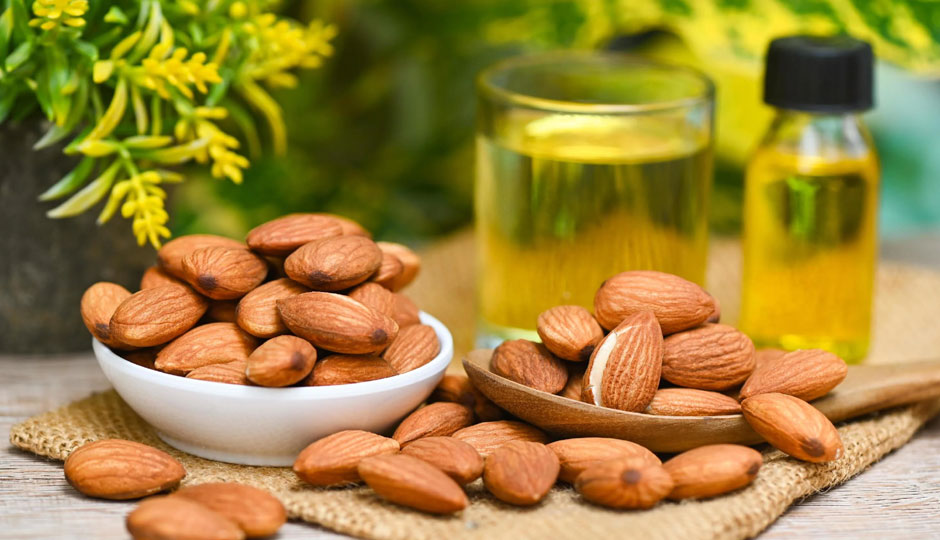
Almond oil has been used for centuries as a natural beauty ingredient because of its nourishing, moisturising and conditioning properties. Extracted from sweet almonds, this lightweight oil is rich in vitamin E, healthy fatty acids, antioxidants and other nutrients that help maintain healthy-looking skin and hair. Its smooth texture makes it a popular choice for facial massages, body moisturising, hair care and scalp conditioning.
Whether you are dealing with dry skin, dullness, rough hair, frizz or split ends, almond oil can be a useful addition to your regular beauty routine. It helps soften the skin, improve moisture retention, nourish dry hair and protect hair strands from everyday damage caused by environmental exposure and styling.
One of the biggest advantages of almond oil is its versatility. It can be used as a standalone moisturiser, mixed with other skincare ingredients or applied to hair before shampooing. However, its benefits depend on the quality of the oil and how consistently it is used.
Let's explore the amazing benefits of almond oil for skin and hair and how you can incorporate it into your everyday beauty routine.
Benefits of Almond Oil for Skin
1. Keeps Skin Moisturised and Hydrated
One of the most well-known benefits of almond oil is its ability to moisturise dry skin. It contains fatty acids, including oleic acid and linoleic acid, which help soften the skin and support its natural moisture barrier.
Applying a small amount of almond oil after bathing can help reduce moisture loss and keep the skin feeling smooth and supple. It is particularly useful for people who experience dryness on their arms, legs, elbows and knees.
For better results, apply almond oil to slightly damp skin so that it helps seal in moisture.
2. Helps Improve Skin Texture
Rough and uneven skin texture can make the skin appear dull and tired. Almond oil contains emollient fatty acids that help soften rough patches and improve the overall feel of the skin.
Regular application can make dry areas feel smoother and more comfortable. It is especially helpful for areas that are frequently exposed to friction, such as elbows, knees and heels.
Although almond oil can improve softness, it should not be considered a treatment for deep scars or permanent skin texture changes.
3. Provides Antioxidant Protection
Almond oil contains vitamin E, a fat-soluble antioxidant that helps protect skin lipids from oxidative damage caused by free radicals.
Free radicals are generated through exposure to environmental factors such as sunlight and pollution. Oxidative stress can contribute to premature skin ageing.
Including vitamin E-rich skincare ingredients such as almond oil in your routine may support the skin's natural protective functions. However, almond oil does not replace sunscreen or provide reliable protection against UV radiation.
4. May Help Reduce the Appearance of Fine Lines
Dry skin can make fine lines appear more noticeable. Almond oil helps moisturise and soften the skin, temporarily making it look smoother and more supple.
Its vitamin E and fatty acid content also contributes to its antioxidant and conditioning properties.
Gently applying a few drops around areas prone to dryness may improve their appearance. However, there is limited clinical evidence that almond oil itself reduces wrinkles or reverses skin ageing.
5. Helps Nourish Dry and Flaky Skin
Dryness can cause skin to become rough, flaky and uncomfortable. Almond oil works as an emollient, helping soften the skin and reduce moisture loss.
It can be applied to dry areas such as:
- Elbows and knees
- Hands and feet
- Heels and ankles
- Dry patches on the body
For best results, use a small quantity after a shower when the skin is still slightly damp.
People with eczema or very sensitive skin should consult a dermatologist before using new oils, as natural ingredients can sometimes trigger irritation.
6. Supports a Healthy-Looking Skin Barrier
The skin barrier plays an important role in retaining moisture and protecting the skin from external irritants. When this barrier becomes weakened, the skin may feel dry, tight and rough.
Almond oil contains fatty acids that help condition the outermost layer of the skin and reduce water loss.
Regular moisturising with almond oil may help maintain softer and more comfortable skin, particularly during colder months when dryness becomes more common.
7. Helps Remove Makeup
Almond oil can work as an oil-based makeup remover. Its oily texture helps loosen certain makeup products, including foundation, lipstick and some waterproof formulations.
To use it, apply a few drops to a cotton pad or clean fingertips and gently massage over the makeup. Wipe away with a soft cloth and follow with a gentle facial cleanser.
Avoid getting the oil directly into your eyes. People with acne-prone skin should also be cautious, as oils may not suit every skin type.
8. Helps Soften Dry Lips
Dry and chapped lips can become uncomfortable, especially during winter. Almond oil can act as an emollient, helping soften the lips and reduce the feeling of dryness.
Apply a tiny amount to clean lips whenever they feel dry. It can also be used before bedtime to keep the lips feeling comfortable overnight.
For severely chapped lips, a fragrance-free lip balm containing occlusive ingredients such as petrolatum may provide better protection.
9. Makes Hands and Nails Feel Softer
Frequent handwashing, detergents and environmental exposure can leave hands and cuticles dry.
Almond oil can help condition the skin around the nails and soften rough cuticles. Massage a small drop into each nail and its surrounding skin before bedtime.
Regular application may make hands feel smoother and improve the appearance of dry cuticles. However, it does not directly strengthen the nail structure or treat fungal nail infections.
10. Helps Improve the Appearance of Dark Circles Caused by Dryness
The delicate skin around the eyes can become dry, making fine lines and tired-looking areas more noticeable.
Almond oil may help moisturise this delicate area and temporarily improve the appearance of dryness-related fine lines.
Apply a very small amount around the orbital bone, keeping it away from the eyes. Avoid rubbing or pulling the skin.
It is important to understand that almond oil cannot reliably remove dark circles caused by genetics, pigmentation, allergies or underlying medical conditions.
Benefits of Almond Oil for Hair
11. Nourishes Dry and Damaged Hair
Almond oil is rich in fatty acids that help condition hair strands and improve their softness.
When applied to dry or damaged hair, it can coat the strands, making them feel smoother and easier to manage. It may also reduce friction between hair fibres, which can help minimise mechanical damage during combing.
Apply a small quantity to the mid-lengths and ends of your hair before shampooing. Leave it on for approximately 30 minutes before washing.
12. Adds Shine to Dull Hair
Environmental exposure, frequent washing and heat styling can make hair appear dull and lifeless.
Almond oil helps smooth the hair surface and creates a light coating that reflects light, making the strands appear shinier.
You can use a few drops as a finishing oil after styling. Rub the oil between your palms and gently distribute it over the lengths and ends.
Avoid applying too much, as excessive oil can make hair look greasy and weigh down fine strands.
13. Helps Reduce Frizz
Frizzy hair often occurs when the hair cuticle becomes rough or when hair absorbs moisture from humid surroundings.
Almond oil can help smooth the hair surface, reduce friction and make unruly strands easier to manage.
Apply a few drops to slightly damp or dry hair, focusing on the ends and areas that tend to become frizzy.
It is particularly useful for people with dry, coarse or naturally wavy hair.
14. Helps Reduce Hair Breakage
Dry hair is more vulnerable to breakage because it lacks flexibility and can become rough during brushing and styling.
Almond oil helps condition hair strands, making them softer and easier to detangle. By reducing friction during combing, it may help minimise breakage caused by mechanical stress.
For a simple pre-shampoo treatment:
1. Take one to two tablespoons of almond oil, depending on your hair length.
2. Warm it slightly between your palms.
3. Apply it to the lengths and ends.
4. Leave it for 30–60 minutes.
5. Wash thoroughly with a mild shampoo.
Remember that almond oil conditions existing hair; it does not repair permanently damaged hair fibres.
15. Helps Condition the Scalp and Dry Hair Roots
A dry scalp can sometimes feel tight, rough and uncomfortable. Almond oil can help soften and condition the scalp because of its emollient properties.
Gently massage a small amount into the scalp and leave it for around 20–30 minutes before washing.
However, almond oil is not a proven treatment for dandruff, fungal scalp infections or hair loss. People with an oily scalp or seborrhoeic dermatitis should be cautious because applying oil may worsen their symptoms.