- Home›
- Healthy Living›
- 12 Effective Home Remedies To Relieve Stomach Pain Naturally
12 Effective Home Remedies To Relieve Stomach Pain Naturally
By: Priyanka Maheshwari Sat, 28 Nov 2026 10:34:53
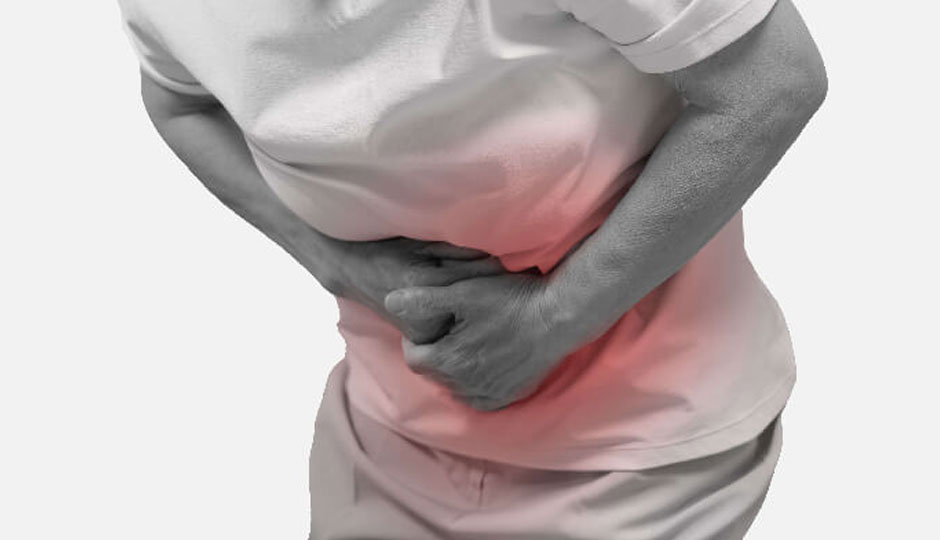
Stomach pain is a common digestive complaint that can affect people of all ages. It may occur as mild discomfort, sharp cramps, bloating, a burning sensation or persistent abdominal pain. Sometimes, it develops after eating a heavy meal, consuming spicy foods, eating too quickly or experiencing indigestion. Other possible causes include gas, constipation, acidity, food intolerance, stomach infections and irritable bowel syndrome (IBS).
While occasional stomach discomfort may improve with simple dietary changes and home care, persistent or severe abdominal pain should never be ignored. Certain natural remedies may help soothe mild digestive discomfort, reduce gas and support regular bowel movements.
From drinking ginger tea to applying a warm compress, several simple home remedies may provide relief when stomach pain is related to minor digestive problems. However, the right approach depends on the underlying cause, as a remedy that helps with gas may not be suitable for acidity or other conditions.
Here are 12 home remedies that may help relieve mild stomach pain naturally.
1. Drink Ginger Tea
Ginger is traditionally used to support digestion and may help relieve nausea and certain types of digestive discomfort. Its natural compounds have anti-inflammatory properties and may help soothe an unsettled stomach.
How to use:
1. Take a small piece of fresh ginger and wash it thoroughly.
2. Cut it into thin slices.
3. Add the slices to one cup of water.
4. Simmer for 5–10 minutes.
5. Strain and allow the tea to cool slightly.
6. Sip it slowly while warm.
How often: One small cup may be tried once a day if tolerated.
Helpful for: Mild nausea and digestive discomfort.
2. Drink Warm Water
Drinking enough water helps maintain normal digestion and prevents dehydration. Warm water may also feel soothing when you have mild stomach discomfort. It is particularly useful when constipation or inadequate fluid intake contributes to abdominal discomfort.
How to use:
1. Take a glass of clean drinking water.
2. Warm it until comfortably drinkable.
3. Sip it slowly rather than drinking it all at once.
4. Continue drinking adequate fluids throughout the day.
How often: Drink water regularly according to your thirst and hydration needs.
Helpful for: Mild digestive discomfort and constipation associated with inadequate fluid intake.
3. Apply a Warm Compress
A warm compress can help relax abdominal muscles and provide temporary comfort from mild cramps. Gentle heat may be particularly soothing for menstrual cramps and muscle-related abdominal discomfort.
How to use:
1. Fill a hot-water bottle with comfortably warm water.
2. Wrap it in a soft towel.
3. Place it gently over the uncomfortable area.
4. Keep it there for approximately 10–15 minutes.
5. Remove it if the skin becomes uncomfortable.
How often: Repeat when needed, allowing the skin to cool between applications.
Helpful for: Mild abdominal cramps and muscular discomfort.
Precaution: Never place a very hot bottle directly against your skin or sleep with it.
4. Try Peppermint Tea
Peppermint is traditionally used for digestive discomfort. Peppermint oil has some evidence of helping IBS-related symptoms, including abdominal cramps and bloating. However, peppermint tea itself has less clinical evidence.
How to use:
1. Take a few fresh peppermint leaves.
2. Wash them thoroughly.
3. Add them to a cup of hot water.
4. Allow them to steep for 5–7 minutes.
5. Strain and drink slowly.
How often: One cup occasionally, if it does not worsen your symptoms.
Helpful for: Some types of bloating and digestive discomfort.
Precaution: Avoid peppermint if you experience acid reflux or heartburn, as it may make these symptoms worse.
5. Eat Plain Curd or Yoghurt
Plain curd contains beneficial bacteria, although the effect of probiotics varies depending on the product and individual. It may be a suitable food for people who tolerate dairy products.
How to use:
1. Take a small bowl of fresh, plain curd.
2. Avoid adding sugar or spicy seasonings.
3. Eat it alongside a light meal.
4. Observe whether it causes bloating or discomfort.
How often: Include a small serving in your diet if you tolerate it.
Helpful for: Supporting gut health as part of a balanced diet.
Precaution: Avoid curd if you are lactose intolerant or notice that dairy products worsen your symptoms.
6. Eat Bananas
Bananas are soft, easy-to-eat fruits that provide carbohydrates, potassium and dietary fibre. They can be a convenient food when your appetite is low or your stomach feels unsettled. Their fibre may also support bowel regularity.
How to use:
1. Choose a ripe banana.
2. Peel and eat it slowly.
3. Avoid combining it with heavy or spicy foods if your stomach is sensitive.
4. Drink adequate water throughout the day.
How often: One banana can be included as part of your regular diet, depending on your tolerance.
Helpful for: Providing gentle nourishment when eating feels uncomfortable.
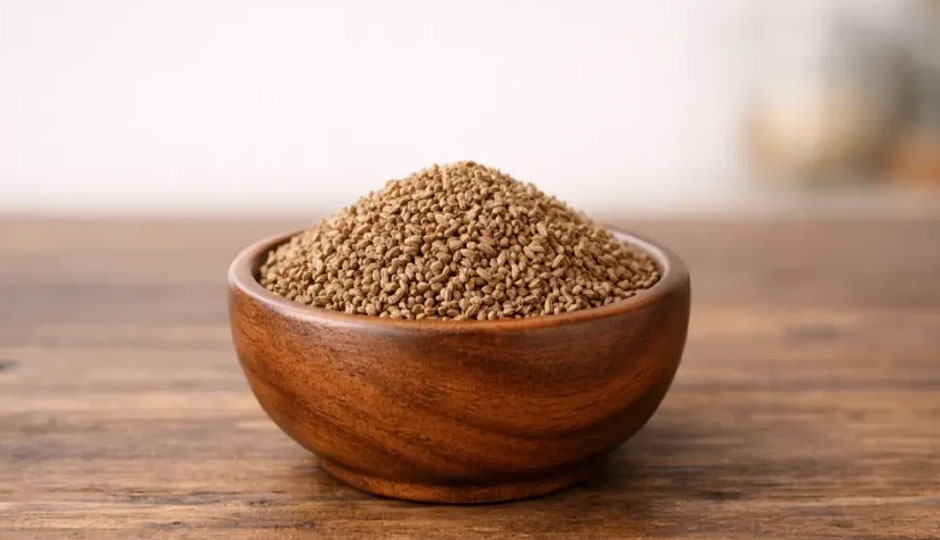
7. Try Ajwain (Carom Seeds) Water
Ajwain is commonly used in Indian households as a traditional remedy for gas and indigestion. However, strong scientific evidence that ajwain water treats abdominal pain is limited.
How to use:
1. Take half a teaspoon of ajwain seeds.
2. Add them to one cup of water.
3. Boil for approximately 5 minutes.
4. Allow the mixture to cool.
5. Strain and sip a small amount.
How often: Use occasionally as a traditional dietary preparation rather than relying on it as a treatment.
Helpful for: Traditional digestive comfort.
Precaution: Avoid concentrated ajwain preparations, particularly during pregnancy, unless advised by a healthcare professional.
8. Eat Light and Easily Digestible Foods
Heavy meals can make digestive discomfort worse, particularly when you have indigestion or nausea. Eating smaller portions of simple foods may be easier to tolerate while your stomach settles.
Foods you can try:
- Plain rice or soft khichdi.
- Toast or plain crackers.
- Ripe bananas.
- Clear vegetable soup.
- Plain boiled potatoes.
- Lightly cooked vegetables.
How to follow this remedy:
1. Start with a small portion.
2. Eat slowly and chew your food properly.
3. Avoid oily, fried and heavily spiced dishes.
4. Increase food portions gradually as you feel better.
5. Do not force yourself to eat if you are vomiting.
Helpful for: Mild indigestion, nausea and temporary digestive discomfort.
9. Drink Oral Rehydration Solution (ORS) When Needed
If stomach pain occurs alongside diarrhoea or vomiting, dehydration can become a concern. ORS helps replace water and essential salts lost through the digestive tract.
How to use:
1. Purchase a standard ORS sachet from a pharmacy.
2. Mix it with exactly the quantity of clean water specified on the packet.
3. Stir until completely dissolved.
4. Take small, frequent sips.
5. Prepare and store it according to the packet instructions.
How often: Take it as needed to replace fluid losses, particularly during diarrhoea or vomiting.
Helpful for: Preventing and managing dehydration associated with diarrhoea and vomiting.
Precaution: ORS does not treat the underlying cause of stomach pain. Seek medical advice if vomiting continues or you cannot keep fluids down.
10. Increase Dietary Fibre Gradually
Constipation is a common cause of abdominal discomfort. Dietary fibre helps add bulk to stools and supports regular bowel movements. However, increasing fibre too quickly can cause additional gas and bloating.
Fibre-rich foods to include:
- Oats.
- Papaya.
- Apples.
- Pears.
- Carrots.
- Whole grains.
- Lentils and beans.
How to follow this remedy:
1. Add one fibre-rich food to your daily diet.
2. Increase the quantity gradually.
3. Drink sufficient water.
4. Include fruits and vegetables in regular meals.
5. Maintain a consistent eating routine.
Helpful for: Constipation-related abdominal discomfort.
Precaution: Do not increase fibre or take fibre supplements if you have severe abdominal pain, vomiting or an inability to pass stool or gas without first seeking medical assessment.
11. Take a Gentle Walk
Gentle physical activity can support normal bowel movements and may help reduce gas-related discomfort. Sitting or lying down immediately after a heavy meal can also make some digestive symptoms more noticeable.
How to follow this remedy:
1. Wait until you feel comfortable enough to move.
2. Walk slowly for 5–10 minutes.
3. Avoid running, strenuous exercise or heavy workouts.
4. Stop immediately if the pain increases.
5. Make gentle walking part of your daily routine.
Helpful for: Mild bloating and constipation.
12. Practise Deep Breathing and Relaxation
Stress and anxiety can influence gut function and may worsen symptoms in people with digestive conditions such as irritable bowel syndrome. Relaxation techniques may help reduce stress-related discomfort, although they do not treat the underlying cause of abdominal pain.
How to practise:
1. Sit or lie down in a comfortable position.
2. Relax your shoulders.
3. Breathe slowly through your nose.
4. Allow your abdomen to expand gently as you inhale.
5. Exhale slowly without forcing your breath.
6. Continue for 5 minutes.
How often: Practise once or twice daily.
Helpful for: Stress-related digestive discomfort and relaxation.