15 Amazing Benefits Of Carrot For Skin And Hair
By: Priyanka Maheshwari Fri, 13 Nov 2026 10:57:19
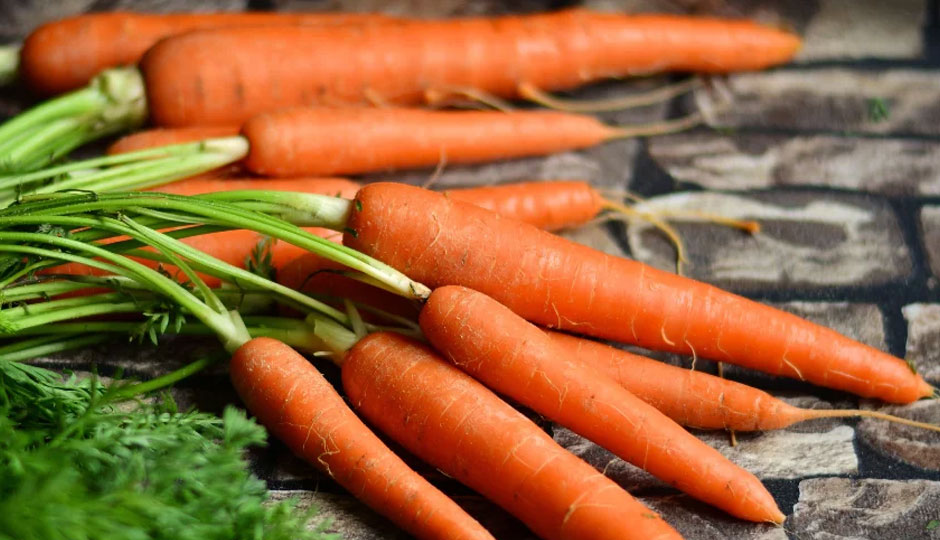
Carrots are one of the most nutritious root vegetables and are widely known for their impressive health and beauty benefits. Packed with beta-carotene, vitamin A, vitamin C, antioxidants, potassium and other essential nutrients, carrots can do wonders for your skin and hair when included in your regular diet. Their rich nutritional profile helps support healthy skin, protect against oxidative stress, maintain skin hydration and promote healthy hair growth.
Whether you enjoy carrots raw, drink fresh carrot juice, add them to salads or include them in your daily meals, this vibrant orange vegetable can be a valuable addition to your beauty and wellness routine.
One of the biggest reasons carrots are beneficial for skin and hair is their high beta-carotene content. The body converts beta-carotene into vitamin A, which plays an important role in skin cell renewal, tissue maintenance and scalp health. Additionally, vitamin C supports collagen production, while antioxidants help protect skin and hair cells from damage caused by free radicals.
Let's explore the amazing benefits of carrots for skin and hair and understand why this humble vegetable deserves a place in your daily diet.
Benefits of Carrot for Skin
1. Helps Achieve Naturally Glowing Skin
If you want healthy-looking, radiant skin, carrots can be a beneficial addition to your diet. They contain beta-carotene, which the body converts into vitamin A. This nutrient supports normal skin cell growth and renewal, helping maintain a healthy skin appearance.
Carrots also provide antioxidants that help protect skin cells from oxidative stress. Regularly eating carrots as part of a balanced diet may contribute to healthier-looking and more radiant skin.
2. Supports Skin Cell Renewal
Vitamin A plays an essential role in maintaining healthy skin tissues and supporting normal cell turnover. Since carrots are rich in beta-carotene, they help supply the body with a precursor of this important vitamin.
Adequate vitamin A intake supports the replacement of old skin cells with new ones, helping maintain smoother and healthier-looking skin. It also supports the skin's natural protective barrier.
3. Helps Protect Skin from Premature Ageing
Premature skin ageing can occur due to sun exposure, pollution, smoking and oxidative stress. Carrots contain beta-carotene and other antioxidants that help protect cells against damage caused by free radicals.
These antioxidants support the body's natural defence mechanisms and may help maintain healthy skin over time. However, eating carrots cannot prevent wrinkles or replace sunscreen and other sun-protection measures.
4. Supports Collagen Production
Collagen is an important protein responsible for maintaining skin firmness, elasticity and structure. As we age, natural collagen production gradually decreases, which can contribute to wrinkles and sagging skin.
Carrots contain vitamin C, which is essential for normal collagen formation. Including carrots alongside other vitamin C-rich foods, such as oranges, amla, guava and lemons, can help support healthy collagen production.
5. Helps Maintain Skin Hydration
Healthy skin needs adequate hydration to remain soft, supple and comfortable. Carrots contain a high percentage of water, which contributes to overall fluid intake.
They also provide nutrients that support normal skin function. Eating carrots along with drinking enough water and following a balanced diet can help support healthy skin. However, carrots alone cannot treat dry or dehydrated skin.
6. May Help Support Clearer Skin
Carrots are often associated with healthy skin because of their vitamin A content. Vitamin A plays a significant role in skin cell development and the normal functioning of skin tissues.
Adequate vitamin A intake supports skin health, although there is limited direct evidence that eating carrots alone can prevent or cure acne. A balanced diet, proper cleansing and suitable skincare are also important for managing breakouts.
7. Helps Protect Skin Against Environmental Damage
Our skin is constantly exposed to environmental stressors such as sunlight, pollution and free radicals. These factors can contribute to skin damage and premature ageing.
Carrots contain beta-carotene and other antioxidant compounds that help the body combat oxidative stress. Including antioxidant-rich foods like carrots in your daily diet can support overall skin health.
Remember that dietary antioxidants are not a substitute for topical sunscreen.
8. Supports Healthy Skin Tone
Carrots contain carotenoids, natural plant pigments responsible for their bright orange colour. Consuming carotenoid-rich vegetables regularly can increase carotenoid levels in the skin.
This may contribute to a subtle, healthy golden appearance. However, excessive carrot consumption can cause carotenemia, a harmless condition in which the skin develops a yellow-orange tint, particularly on the palms and soles.
9. Helps Maintain a Healthy Skin Barrier
The skin barrier protects the body from external irritants and helps prevent excessive moisture loss. Vitamin A is important for maintaining normal skin tissue and supporting the skin's natural barrier function.
Carrots provide beta-carotene, which the body can convert into vitamin A according to its requirements. Including carrots in a nutritious diet can therefore help support normal skin health.
Benefits of Carrot for Hair
10. Supports Healthy Hair Growth
One of the important benefits of carrots for hair is their beta-carotene content. The body converts beta-carotene into vitamin A, which supports normal cell growth and tissue maintenance.
Healthy hair growth depends on several factors, including proper nutrition, hormonal balance and scalp health. Carrots can contribute to your overall nutrient intake and support the normal functioning of hair follicles.
11. Helps Maintain a Healthy Scalp
A healthy scalp is essential for maintaining strong and healthy hair. Carrots provide vitamin A precursors and antioxidants that support normal skin and tissue health.
Vitamin A is involved in maintaining the scalp's skin tissues and supporting normal sebum production. Sebum is the natural oil produced by sebaceous glands that helps keep the scalp and hair moisturised.
However, excessive vitamin A intake can actually contribute to hair loss, so balanced consumption is important.
12. May Help Reduce Hair Breakage
Carrots contain vitamin C and antioxidants that contribute to overall hair and scalp health. Vitamin C also supports collagen formation, which is important for the normal structure of body tissues.
Including carrots in a balanced diet can help provide nutrients that support healthy hair. However, there is no strong scientific evidence that carrots directly prevent hair breakage.
For stronger hair, combine a nutrient-rich diet with gentle hair care, conditioning and reduced heat styling.
13. Helps Maintain Natural Hair Shine
Dull hair can be associated with dryness, damage, nutritional deficiencies and excessive styling. Carrots provide vitamins and antioxidants that support general health, including the health of skin and hair tissues.
Their beta-carotene and vitamin C content makes them a nutritious addition to a balanced diet. Along with adequate protein, healthy fats and other essential nutrients, carrots can help support healthy-looking hair.
14. Supports Hair Strength Through Better Nutrition
Hair is primarily made up of a protein called keratin. Therefore, adequate protein intake is essential for maintaining healthy hair.
Although carrots are not a major source of protein, they provide vitamin C, beta-carotene and other nutrients that contribute to overall nutritional health.
For stronger hair, combine carrots with protein-rich foods such as eggs, lentils, milk, yoghurt, nuts and seeds.
15. Helps Support Overall Scalp and Hair Health
Carrots contain antioxidants and essential micronutrients that contribute to the body's normal functions. Their nutritional value can complement a healthy diet and support overall scalp and hair health.
Eating carrots alongside green leafy vegetables, fruits, whole grains, legumes and protein-rich foods can help provide a wider range of nutrients required for healthy hair.