- Home›
- Healthy Living›
- 15 Amazing Health Benefits Of Squats
15 Amazing Health Benefits Of Squats
By: Priyanka Maheshwari Fri, 13 Nov 2026 10:46:28
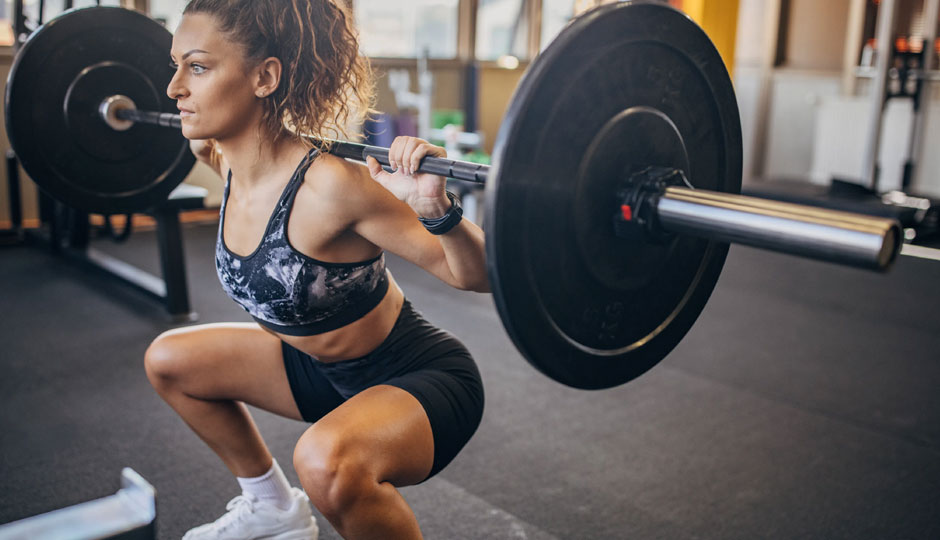
Squats are one of the simplest yet most effective exercises for improving overall fitness and physical strength. Whether you are a beginner, a fitness enthusiast, or someone looking to stay active as you age, squats can be a valuable addition to your daily exercise routine. This popular bodyweight exercise primarily targets the lower body, including the thighs, hips, glutes and calves, while also engaging the core muscles.
One of the biggest advantages of squats is that they do not require expensive gym equipment or a large workout space. You can perform them at home, in the gym or even outdoors. Regularly practising squats with proper technique can help strengthen muscles, improve balance, support joint function, enhance mobility and make everyday activities such as walking, climbing stairs and getting up from a chair easier.
Squats also offer several fitness benefits beyond building strong legs. They engage multiple muscle groups simultaneously, increase muscular endurance and help improve functional strength. Let's explore some of the amazing health benefits of squats and understand why this exercise deserves a place in your regular fitness routine.
15 Amazing Health Benefits of Squats
1. Strengthens Lower Body Muscles
One of the most important benefits of squats is that they help strengthen the muscles of the lower body. This exercise primarily targets the quadriceps, hamstrings, glutes and calves.
When you perform a squat, these muscles work together to lower and lift your body. Regular practice helps improve muscle strength and endurance, making your legs stronger over time.
Strong lower-body muscles are essential for performing everyday activities such as walking, running, climbing stairs and standing for extended periods.
2. Builds Stronger and Firmer Glutes
Squats are particularly effective for strengthening the gluteal muscles, commonly known as the glutes. These muscles play an important role in hip movement, pelvic stability and overall lower-body strength.
During squats, your glutes help extend your hips as you return to a standing position. Consistent practice can improve glute strength, muscle development and lower-body stability.
Stronger glutes can also support better movement patterns and help improve performance during activities such as running, jumping and cycling.
3. Improves Core Strength
Although squats are primarily considered a lower-body exercise, they also engage your abdominal and back muscles.
Your core muscles work to stabilise your spine and maintain proper posture while performing the movement. This helps develop better core strength and body control.
A stronger core can improve balance, support spinal stability and make everyday movements more comfortable. For additional core engagement, focus on keeping your abdomen gently braced throughout each squat.
4. Supports Weight Management
Squats can contribute to weight management by engaging several large muscle groups and increasing energy expenditure during exercise.
Because squats involve multiple muscles simultaneously, they can form an effective part of a calorie-burning workout. Combining squats with walking, cycling, strength training and a balanced diet can help support healthy weight management.
Additionally, strength training helps build and maintain muscle mass, which contributes to your body's overall energy requirements.
However, squats alone cannot guarantee weight loss. Consistency, nutrition and overall physical activity are equally important.
5. Improves Balance and Stability
Maintaining balance becomes increasingly important as we grow older. Squats help strengthen the muscles around the hips, knees and ankles, which contribute to better body stability.
When performing squats, your body must coordinate several muscle groups to maintain control and proper alignment.
Regular practice can improve lower-body coordination, balance and movement control. These benefits may also help reduce the risk of falls, particularly when squats are included in a broader balance and strength-training programme.
6. Strengthens Bones
Squats are a form of resistance exercise that places a controlled mechanical load on the bones and muscles.
Weight-bearing and resistance exercises can help support bone health by stimulating the bones to maintain their strength.
Regular strength training is particularly important as people age because bone density can gradually decrease over time.
When performed with proper technique and suitable resistance, squats can contribute to a fitness routine that supports stronger bones and better musculoskeletal health.
7. Improves Joint Mobility and Flexibility
Squats involve coordinated movement of the hips, knees and ankles. Performing them through a comfortable range of motion can help maintain mobility in these joints.
Regular practice may improve flexibility in the hips, ankles and surrounding muscles while making lower-body movements more comfortable.
Squats also encourage controlled movement through different joint positions, which can be useful for maintaining functional mobility.
However, avoid forcing yourself into a deep squat if you experience pain or have existing joint problems.
8. Makes Everyday Activities Easier
Squatting is a functional movement that closely resembles several activities we perform in daily life.
For example, sitting on a chair, getting up from the floor, picking up objects and climbing stairs all involve movements similar to squatting.
Practising squats can strengthen the muscles required for these activities and improve your ability to perform them independently.
This makes squats particularly beneficial for people who want to maintain their physical independence and functional fitness as they age.
9. Improves Athletic Performance
Squats are widely used in sports and athletic training because they develop lower-body strength and power.
Strong quadriceps, hamstrings and glutes are important for running, jumping, sprinting and changing direction.
Regular squat training can improve muscular strength and help develop the physical foundation needed for better athletic performance.
Depending on the variation and intensity, squats can also help develop explosive lower-body power.
10. Supports Better Posture
Poor posture can sometimes be associated with weak muscles, limited mobility and inadequate body awareness.
Squats engage the core, glutes and muscles surrounding the hips and spine. Strengthening these muscles can help improve the stability required to maintain proper body alignment.
Practising squats with a neutral spine, engaged core and controlled movement can also encourage better awareness of your posture.
However, squats are not a complete solution for posture-related problems. A balanced exercise routine that includes upper-body and back strengthening is also important.
11. Increases Muscular Endurance
Squats help improve the ability of your lower-body muscles to perform repeated movements without becoming tired quickly.
When you perform multiple repetitions, your muscles gradually adapt to the physical demands of the exercise.
Improved muscular endurance can make activities such as walking, standing, climbing stairs and cycling easier.
You can gradually increase the number of repetitions or sets as your fitness improves.
12. Promotes Better Blood Circulation
Squats involve repeated contractions of large muscle groups, particularly those in the thighs and hips.
Physical activity increases the body's demand for oxygen and encourages the cardiovascular system to supply blood to working muscles.
Regular movement and exercise support healthy circulation and overall cardiovascular fitness.
However, squats should not be considered a treatment for poor blood circulation. For better cardiovascular health, combine strength exercises with activities such as brisk walking, swimming or cycling.
13. Helps Maintain Muscle Mass With Age
Muscle mass naturally tends to decline with age, particularly when physical activity levels decrease.
This age-related loss of muscle mass can affect strength, balance and mobility. Resistance exercises such as squats can help maintain and develop muscle strength.
Regular strength training is especially valuable for older adults because it supports functional independence and makes everyday physical activities easier.
Bodyweight squats, chair squats and supported squats are useful starting options for people who are new to exercise.
14. May Support Metabolic Health
Regular physical activity, including resistance training, can contribute to better metabolic health.
Squats engage large muscle groups and help build and maintain muscle mass. Strength training, when combined with aerobic exercise and healthy eating habits, may improve insulin sensitivity and help support healthy blood sugar regulation.
People with diabetes or other metabolic conditions should choose an appropriate exercise intensity and follow their healthcare professional's advice.
15. Supports Overall Physical Fitness
Squats are a versatile exercise that can contribute to several aspects of physical fitness simultaneously.
They help develop muscular strength, endurance, coordination, mobility and balance. Since they work multiple muscle groups, they can also make your workout routine more efficient.
You can perform different squat variations depending on your fitness level and goals.
Including squats in a balanced exercise programme can help you build a stronger, more active and physically capable body.